Conan the Barbarian - actors, characters and roles
All actors and their roles in the film "Conan the Barbarian"
Conan the Barbarian (1982)
Timing:
2:10 (130 min)

6.803/10
2757
2757

6.855/10
40232
40232

6.9/10
173000
173000
Actors and characters
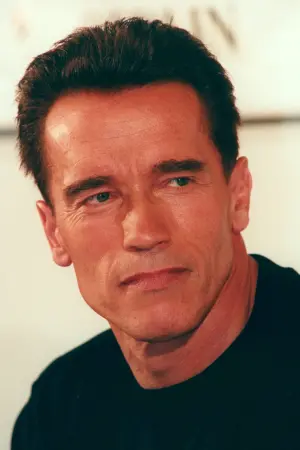
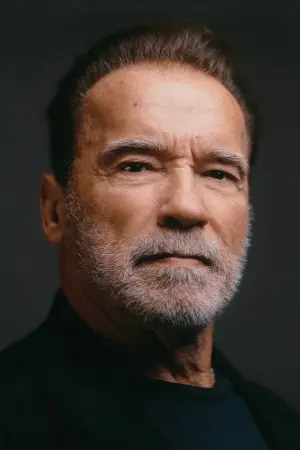
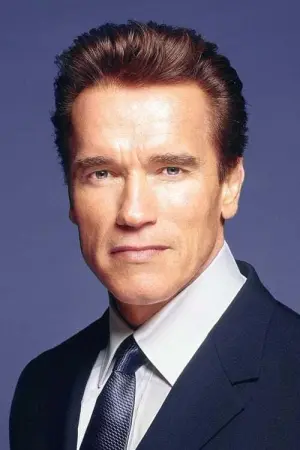
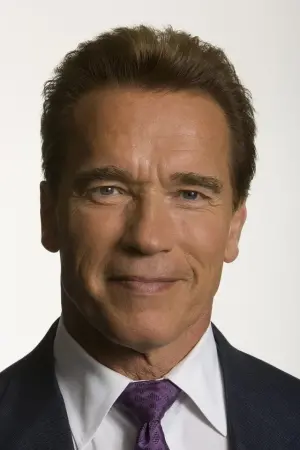
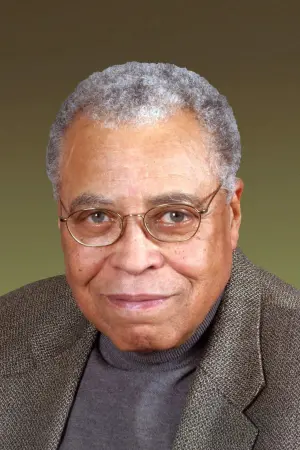
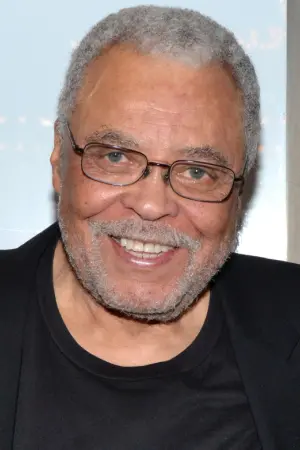
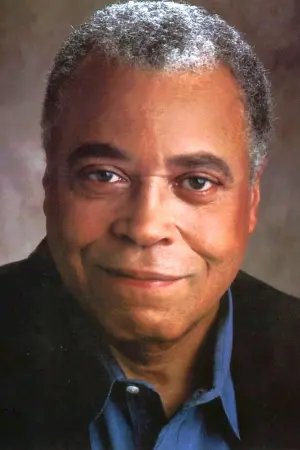
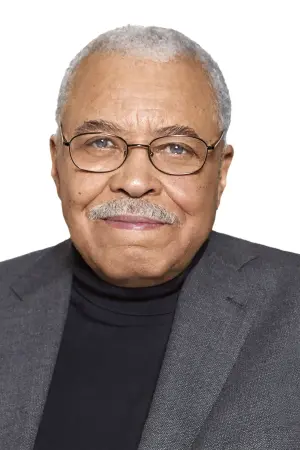
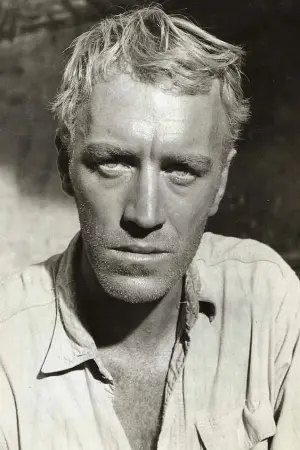
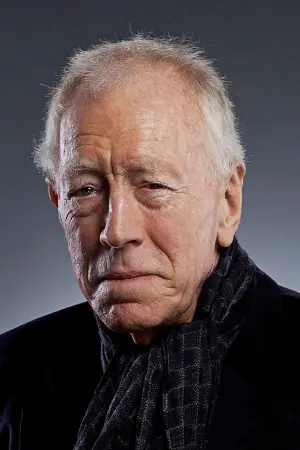
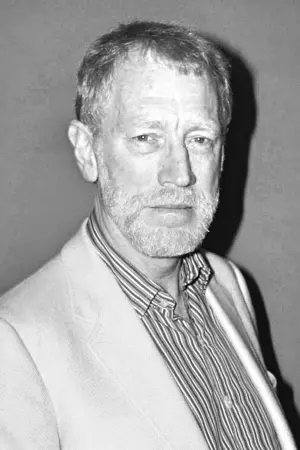
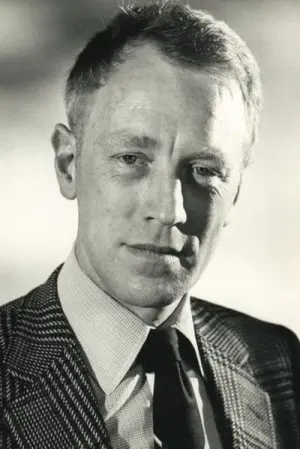

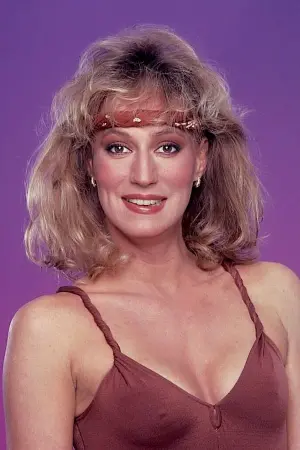

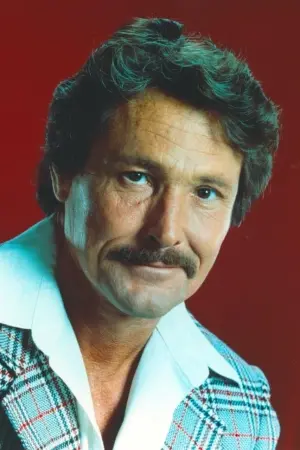
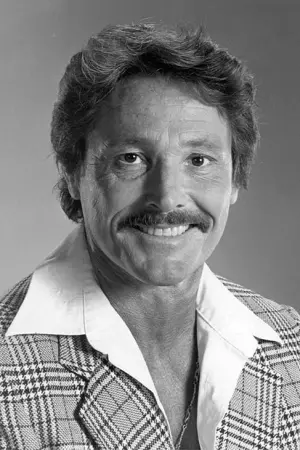
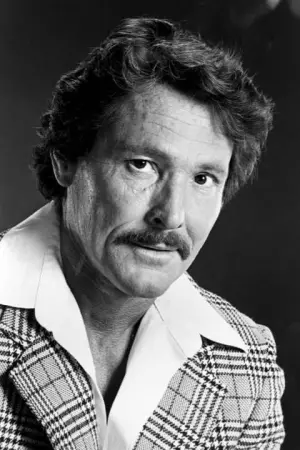
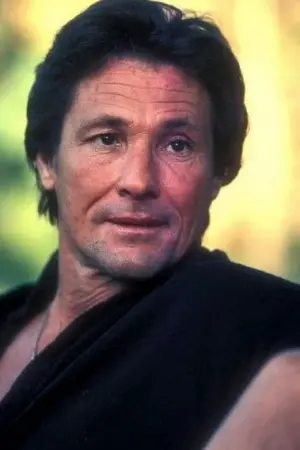
Ben Davidson
Character Rexor
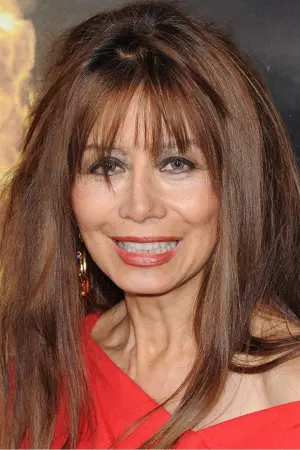

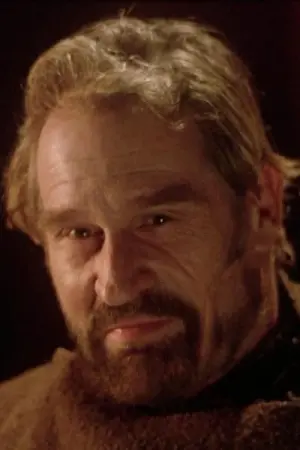
Cassandra Gava
Character The Witch

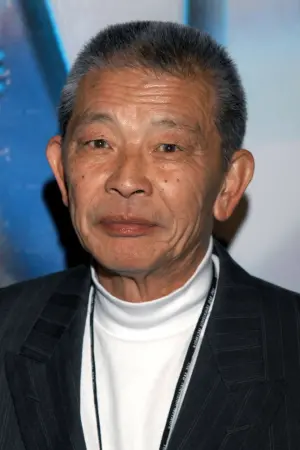
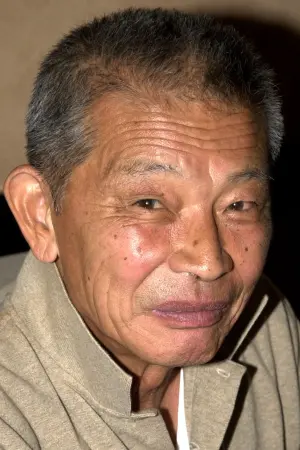
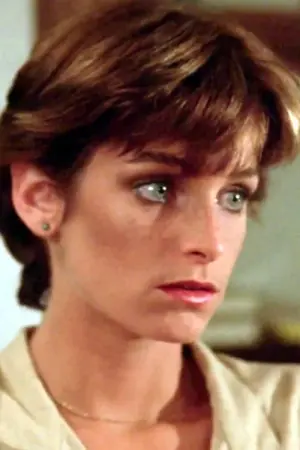
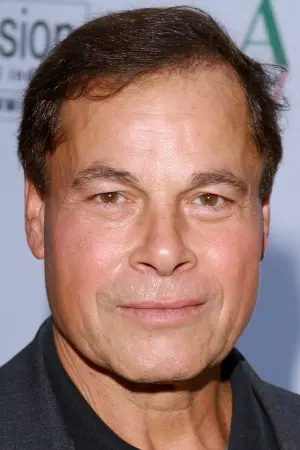

Leslie Foldvary
Character Sacrificial Snake Girl
Gary Herman
Character Osric's Guard
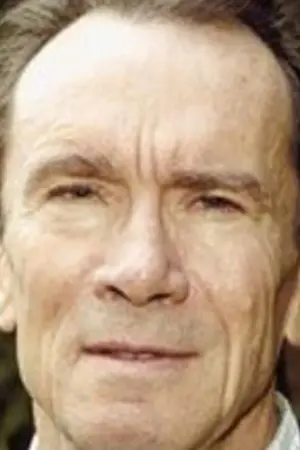
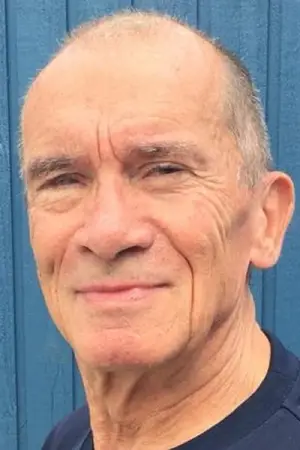
Erik Holmey
Character Turanian War Officer
Akio Mitamura
Character Mongol General
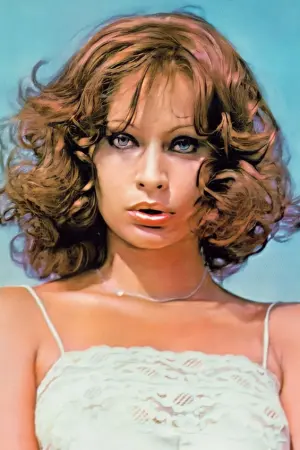

Kiyoshi Yamasaki
Character Sword Master


Pilar Alcón
Character Orgy Slave Girl (uncredited)
Florencio Amarilla
Character Man (uncredited)
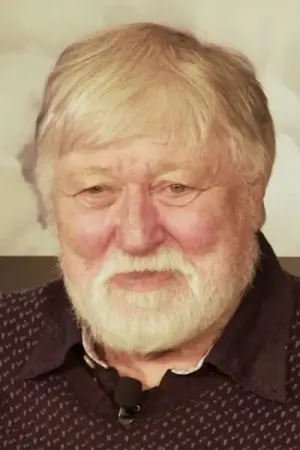


Fabián Conde
Character Merchant at Tavern (uncredited)
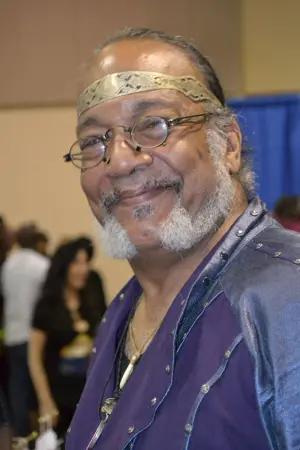
Dragon Dronet
Character Pit Fighter (uncredited)
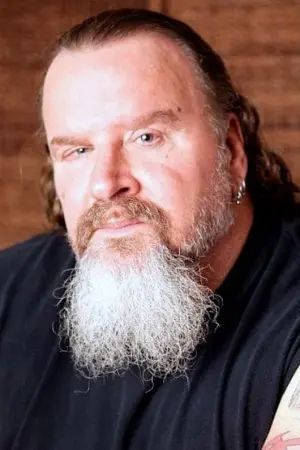
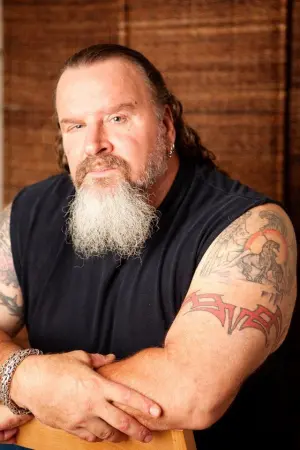

Andrea Guzon
Character Breeding Woman (uncredited)
Corrie Jansen
Character Beautiful Woman Jumping to her Death (uncredited)

Olvido Lorente
Character Guerrera (uncredited)


Isabel Luque
Character Woman (uncredited)

Celia Milius
Character High Priestess
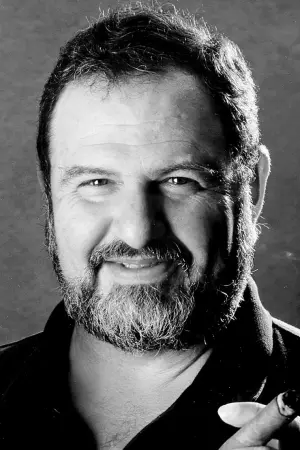
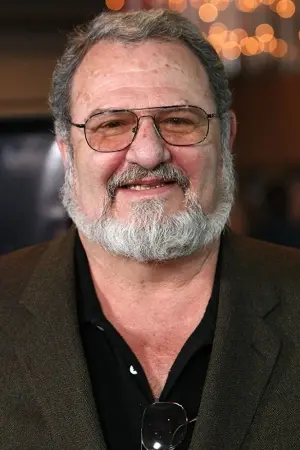
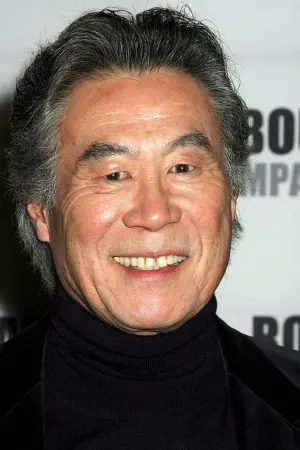


What's left behind the scenes
- Arnold Schwarzenegger performed all the stunts himself, as no stunt double could be found with a similar physique.
- To make the characters' costumes look more natural, Dino De Laurentiis forbade the actors from taking them off during breaks between takes.
- The armor of Thulsa Doom and his warriors is a reference to the Teutonic knights' armor from the film "Alexander Nevsky" (1938).
- According to Oliver Stone's original script, the film was to take place in a post-apocalyptic future. Later, the setting was changed to the distant past.
- The fencing instructor in one scene of the film is a real fencing instructor who trained the actors.
- The runes on Conan's sword read: “Guilt does not torment he who raises this sword in the name of Crom.”
- Pre-production work on the film began as early as 1977, but due to numerous delays of various kinds, actual filming did not begin until 1981.
- King Ozric was originally not supposed to be played by Max von Sydow, but the planned performer fell ill. No one believed that the famous actor would agree to a small role in such an “unserious” film. Sydow agreed thanks to the persuasion of his eldest son (a fan of Conan comics) and out of pure curiosity.
- Filming was initially planned in Yugoslavia, but was later moved to capitalist Spain for political reasons.
- According to director John Milius, a nearly exact copy of a museum exhibit of a Landsknecht sword weighing 60 pounds (25 kg) was used for filming. Many other weapons and equipment in the film were made in their actual weight and form, and not from plastic.
- Jerry Lopez, who played Subotai, was a surfer and a friend of the director, who immediately determined that the role of Subotai required "someone like Jerry." When none of the director's candidates worked out, Milius suggested trying Jerry himself. To everyone's surprise, including the producers, the complete novice Lopez handled his role well. He was helped by his personal fascination with Conan stories. Nevertheless, he had to attend acting classes for 6 months, taught by Mako (who played Akhiro).
- The bodyguards of Tulsam Doom were chosen to match Conan. Torgrim, who looks stocky and "square" in combat gear, is actually 196 cm tall – he was played by Schwarzenegger's friend, Danish actor and bodybuilder Sven-Ole Thorsen. The second of the bodyguards – Rexor – was played by American football athlete Ben Davidson, who is 203 cm tall.
- The idea was that saddles didn't exist in Conan's time, but the actors found it very difficult to ride horses without them, so they decided to disguise the saddles as animal skins.
- Filming took place over five months in Spain near Madrid and in the province of Almería.
- The sets, created by Ron Cobb, were based on the culture of the Dark Ages and the drawings of Frank Frazetta.
- Beginning in the 1970s, adapting Conan stories for the screen proved difficult due to copyright issues. Lancer Books acquired the rights in 1966, but a court injunction was placed on their publication of Conan stories as a result of legal disputes regarding publication rights. In 1975, artist Edward Summer suggested Conan as a potential project to executive producer Edward R. Pressman, and after reviewing the comics and Frazetta's artwork, Pressman agreed. Securing the film rights took two years. Pressman spent over $100,000 on legal fees to help complete the process, and the rights themselves cost him an additional $7,500.
- John Milius first expressed a desire to make a Conan film in 1978, after completing filming on "The Brink's Job," which was produced by Buzz Feitshans, who frequently worked with Milius. Milius and Feitshans approached Pressman, but disagreements arose between them on a number of issues.
- Oliver Stone joined the project after Paramount Pictures offered an initial film budget of $2.5 million on the condition that a "name screenwriter" be involved. After Stone joined the team, Pressman asked Frank Frazetta to be a "visual consultant," but they clashed. Ron Cobb, who had just finished design work on "Alien," was hired as the artist. After creating a series of sketches for Pressman, Cobb left and joined another project of Milius'.
- Realizing the envisioned script required $40 million; Pressman, Summer and Stone were unable to find a studio willing to finance such a project. Pressman’s company was experiencing financial difficulties, and to keep the project afloat, he took out a bank loan. Difficulties also arose in finding a suitable director. Stone and Joe Alves, who worked on "Jaws 2," were initially planned as co-directors, but Pressman said that “it was a completely crazy idea, they didn’t get anywhere.” Stone also reported that he asked Ridley Scott, who had just finished "Alien," to take on the director’s role, but was turned down.
- Ron Cobb showed John Milius his work on "Conan" and Stone's script, which, according to him, rekindled Milius’s interest—the director contacted Pressman, and they reached an agreement whereby Milius would direct the film if he was allowed to make changes to the script. By that time, he had signed a contract to film for Dino De Laurentiis, an influential fantasy film producer. Milius came up with the idea of doing "Conan" with De Laurentiis, and after a year of negotiations, Pressman and De Laurentiis reached an agreement to become co-producers. Milius was formally appointed director in early 1979, and Cobb became the production designer. De Laurentiis agreed with Universal Pictures to handle the film’s distribution in the United States. The studio also set a budget of $17.5 million for the film and prepared an additional $12 million for advertising.
- While the team worked on securing the film rights, Edward R. Pressman and Edward Summer debated who would play the lead role. Summer recalled that Charles Bronson, Sylvester Stallone, and William Smith were considered for the role of Conan; all three had muscular builds. However, in 1976, the producers saw a rough cut of the film "Pumping Iron" and concluded that Arnold Schwarzenegger would be perfect for the role of Conan. According to the terms of his contract, he was prohibited from appearing in other fantasy films. Schwarzenegger believed that this film was a good opportunity to establish himself in the entertainment industry.
- Milius wanted the protagonist to look more athletic, so Schwarzenegger trained for 18 months before filming began; in addition to running and weightlifting, he practiced rock climbing, horseback riding, and swimming. He lost 15 kg as a result.
- Before filming began, Schwarzenegger stayed with Jerry Lopez for a month, where he rehearsed with him.
- Milius said that the actors were chosen because they matched both the appearance and the character of the film's characters. He wanted the actors to have no preconceptions about their roles. When working with novice actors, Milius allowed them to improve their skills and adapted the script to their abilities, although he had a final vision for the film. To improve his speech, Schwarzenegger took lessons from actor Robert Easton in 1980. His first line in the film was a paraphrase of Genghis Khan's words about the good things in life, which the actor delivered with a strong Austrian accent. Schwarzenegger then trained intensively to speak, with Milius's help. All of his subsequent lines were rehearsed at least 40 times.
- Sean Connery and John Huston were considered for various roles in the film.
- The role of Tula Dum was offered to James Earl Jones while he was considering participating in the filming of "Grendel, Grendel, Grendel"; upon learning that it was an animated film, James read the script for "Conan" and agreed to the role of Dum. By the start of filming, James was also involved in the theatrical production A Lesson to Aloes, so he coordinated his schedule with the film crew to attend filming when needed. James also showed interest in Schwarzenegger's acting and often helped him.
- William Smith, originally planned for the main role, played the role of Conan's father.
- In Spain, John Milius hired over 1,500 people for extras.
- Work on the plot for the Conan film began in 1976; Edward Summer formed the first ideas about the plot together with Roy Thomas, a comic book author who had been writing them for Marvel Comics for many years. The story of Summer and Thomas, in which Conan was hired by "a cunning priest to kill an evil sorcerer," was largely based on Robert E. Howard's story "The House of Doom." After Oliver Stone joined the project, this version of the script was abandoned. Stone was suffering from drug addiction at that time, and the script was written under the influence of drugs; the result was called "a drug addict's fever dream" by Milius, although it was impressive. According to Schwarzenegger, Stone finished his work in early 1978. Drawing inspiration from Howard's "The Black Colossus" and "The Witch Shall Be Born," Stone proposed a 4-hour story where the hero provides protection for the kingdom of a princess.
- Filming began in the UK at Shepperton Studios in October 1980. At the beginning, Schwarzenegger, made up as an elderly King Conan, read an excerpt from "The Hyborian Chronicles," which Howard also used as an introduction to his stories. Initially, this episode was planned as a trailer, but Milius decided to use it as the beginning of the film. According to Ron Cobb, Laurentiis and Universal Pictures were concerned about Schwarzenegger's accent, so Milius agreed to move this episode to the end of the film.
- Relocating filming to Spain took several months; the film crew and equipment arrived on location in September, and filming began on January 7, 1981. Producers allocated $11 million for filming in Spain, of which approximately $3 million was spent on constructing 49 sets. The working crew increased from 50 to 200 people; personnel were hired from the United Kingdom, Italy, and Spain.
- A large warehouse on the outskirts of Madrid served as the film crew's headquarters, and also housed the interiors of the Serpent Tower and the Temple of Thul. The remaining interiors were located in another warehouse rented for the filming. The sets for the Serpent Tower were also constructed in an abandoned Spanish Air Force hangar. The tower itself was built on the site of the hangar, and actors used it to ascend during the filming of the corresponding scene.
- The film crew shot several exterior scenes in the countryside outside Madrid; the Cimmerian village was built in a forest near a ski resort south of Segovia. Approximately 1 million Spanish pesetas ($12,084) was spent on marble chips to simulate snow. Conan's encounter with the witch and Subotai was filmed in the vicinity of the Enchanted City mountains in the province of Cuenca. The most open scenes were filmed in Almería, which was distinguished by its semi-desert terrain, various land surfaces (deserts, beaches, mountains), and the presence of ancient Roman and Moorish architectural structures, which served as the setting.
- The scene where Valeria and Subotai drive away the ghosts, and the final battle with Thul's warriors, were filmed in the salt flats of Almería. The semblance of ruins was created using sand dunes. The film crew's actions provoked protests from environmentalists, and the producers promised to restore the surface after filming was completed.
- The Temple of Set was constructed in the mountains west of Almería. The structure was 50 meters wide and 22 meters high. It was one of the most expensive buildings – its cost was $350,000, and it was constructed using various types of wood, varnishes, and several tons of concrete. The staircase was 120 steps long.
- Milius and the film crew used historical monuments and landscapes from earlier films for the movie. The market scene was filmed at the Alcazaba of Almería, which was given the appearance of a complex from the fictional Hyboria with the help of sets. The creation of the city of Shadizar involved a fort previously featured in the film «Condor» (1970) and remodeled to resemble an ancient city.
- Large buildings were expensive, and Milius did not want to rely on optical effects and matting (in the form of painted landscapes). Instead, the team resorted to the miniature effect technique to create the illusion of grandeur in some scenes. Models of the structures were constructed by set decorator Emilio Ruiz and placed directly in front of the cameras in such a way that they appeared as massive buildings in the film; the surroundings of Shadizar were increased by more than two times using this technology. Ruiz created 8 main miniature models, including the palace of Shadizar and the city itself, which covered an area of 11 square meters.
- Some of the battle scenes in the film were shot using a mini-jib (a remotely controlled electronic camera mounted on a lightweight moving crane); this technique was developed by Nick Allender (special effects supervisor). Terry Leonard, who had previously worked with Milius and on other films, including Steven Spielberg's «Indiana Jones: Raiders of the Lost Ark» (1981), supervised the stunts.
- Before filming, three actors took lessons in martial arts. Starting in August 1980, they trained with Kiyoshi Yamazaki, a master of karate and fencing, who taught them fighting styles in a way that made them look like professional swordsmen. They practiced each movement in combat at least 15 times.
- Tim Hutchings and blacksmith Jody Sampson worked on creating the weapons. Particular attention was paid to the two swords wielded by Conan: his father's sword (the master sword) and the sword he discovers in the tomb (the Atlantean sword). Both weapons were designed by Ron Cobb. The blades were hand-forged from high-carbon steel, heat-treated, and left unsharpened. The hilts and pommels were sculpted and cast using the lost-wax method; inscriptions on the blades were etched using electro-discharge machining. Sampson and Hutchings created four copies of both swords; each costing $10,000. Copies of the Atlantean sword were gifted to members of the film crew after becoming unusable. Sampson and Hutchings concluded that the weapons were heavy and unbalanced, and therefore unsuitable for actual combat. Lighter versions were made from aluminum, fiberglass, and steel; these were used during the filming of the battle scenes. According to Schwarzenegger, the heavy swords were used for close-ups. The remaining weapons were created less carefully; Valeria's talwar was cast from aluminum sheet.
- To reproduce a large amount of blood in the battle scenes, blood packs were attached to the actors' bodies. Animal blood, taken from slaughterhouses, was spilled on the floor to simulate human blood. Mostly fake swords were used in the murder scenes. These swords had retractable blades, and blood was sprayed from their tips. Although the use of these swords was intended to be safe for the actors, Bergman accidentally cut her finger during one of the sparring scenes.
- Accidents occurred during stunts not involving weapons. For example, a stuntman broke his face on the camera while riding a horse at a gallop, and Schwarzenegger was attacked by one of the trained dogs. The use of live animals raised concerns about animal cruelty; the American Humane Association included the film in its "forbidden list." Listed violations included beating a dog, hitting a camel on the head, and tripping a running horse.
- For the scene where Valeria and Subotai rescue Conan from the ghosts, "turbulent clouds" were created by George Lucas's Industrial Light & Magic, while VCE was tasked with creating the ghosts themselves. Their first attempt to run the footage through a viscous solution was met with protests from the producers, who felt the resulting ghosts were too similar to those in "Raiders of the Lost Ark," so VCE resorted to animation. Initially, the staff drew muscular warriors in the guise of ghosts, and the resulting footage was integrated into the film using an animation stand and contact prints. Glare was added to the scene using animation; VCE's intention to use an old lens resulted in the ghost images resembling real objects filmed with a camera. The final scene was shot by running the film with the animated effects and the film with live action through a double optical camera and recording the result on a regular camera.
- To write the musical score for the film, Millius invited his friend Basil Poledouris to the project. It was common practice in the film industry to invite a composer after the main scenes of the film had been shot, but Millius invited Poledouris before filming began. The composer had the opportunity to write music to the film based on the first footage, making certain changes during the filming process, and finally recorded the final result on tape. During the recording process, Poledouris actively used the Musync system, invented by Robert Rundles (later nominated for an Academy Award for scientific achievements), to improve the tempo of the music and synchronize it with the film. The system greatly simplified and accelerated the work – it allowed for automatic tempo adjustments when the user changed the location of the sound source. "Conan the Barbarian" was the first film to use the Musync system.
- Throughout the filming, Millius and Poledouris exchanged ideas, developing themes and the "emotional nuances" of each scene. According to Poledouris, Millius envisioned his future film as an opera, with little or no dialogue; Poledouris wrote a sufficient number of musical compositions for the film (with a total duration of approximately 2 hours). This was his first film where he used large-scale orchestral music. The composer visited the filming locations several times to familiarize himself with the environment that the music was to accompany. After the main filming was completed, Millius sent him two copies of the film: one without music, and the second with scenes adjusted to the music of Richard Wagner, Igor Stravinsky, and Sergei Prokofiev, to describe the emotional undertones he needed.
- The recording of the music, begun by Basil Poledouris in late November 1981, took place in Rome over three weeks. He engaged an orchestra of 90 instruments and a choir of 24 people from the Santa Cecilia Academy; he chose each member personally. Greg McRee, a frequent collaborator with Poledouris, led the orchestra. The sounds of the choir and orchestra were recorded separately. The sound tracks, music, and dialogue were mixed into monaural sound; 'Conan the Barbarian' was the last film released by a major studio to have monaural sound. According to Poledouris, Raffaella De Laurentiis refused to pay for a stereo soundtrack (30,000 dollars) and was concerned about the insufficient number of cinemas equipped with stereo systems.
- In 1980, producers launched an advertising campaign to support the film. Posters were displayed in cinemas across the United States. The posters used artwork by Frank Frazetta, which had appeared on the cover of the 1966 novel 'Conan the Adventurer'.
- De Laurentiis wanted the film to be released on Christmas 1981, but representatives from Universal demanded further editing after viewing a preliminary version of the film in August. A Hollywood insider said they were concerned about the scenes of violence in the film. The premiere was postponed until the following year to make the necessary changes. Several scenes from the beginning of the film were cut, in particular, a close-up of Conan's mother's severed head; after the changes were made, composer Basil Poledouris had to urgently adapt the written soundtrack. An episode in which Subotai kills a monster on top of the Serpent Tower, as well as a scene in which Conan cuts off the hand of a pickpocket in the bazaar, were also not included in the final version of the film. Millius had planned for the film to be 140 minutes long, but the final version lasted 129 minutes.
- On February 19, 1982, a small preview of the film was shown in Houston, Texas. Similar previews were shown in 30 cities across the country in the following months. In Washington, film fans formed long queues on the streets, causing traffic jams. Tickets in Denver sold out very quickly; in Houston, more than 1,000 people failed to purchase tickets.
- Initially, Universal planned for the film to premiere in the United States on the weekend before Memorial Day—a time when the summer season begins and educational institutions close for a long vacation. However, to avoid competition with other highly anticipated big-budget films, the release date was postponed.
- A species of dinosaur, Ozraptor subotaii, was named in honor of Subotai, who was played by Jerry Lopez in the film.
- Schwarzenegger himself was pleased with the fame this film brought him, and called the role of Conan a "gift of fate for his career." As Governor of California, he kept a replica of the Atlantean sword in his office, sometimes posing with it for visitors. In his speeches, he often quoted his character's line, "Crush your enemies, see them driven before you, and hear the lamentation of their women."
- Only two major scenes were removed during the editing of the film: the murder of King Osric by his bodyguards, who joined Thulsa Doom. In the final version of the film, Osric simply disappears from the plot after ordering Conan and his friends to find his daughter. There was also a scene with the sale of roasted lizards on a stick to Conan, with the director J. Milius himself appearing in a tiny role as the vendor. This scene was his personal idea and a kind of mockery of "McDonald's."
- The scene where Conan sits on the throne already as king was filmed first. The reason was that Arnold needed to lose weight before the start of filming, as he was too "big" after winning the Mr. Olympia bodybuilding competition in 1980. Therefore, it was decided to hide the most muscular body in the world behind animal skins.
- The tree on which Conan was crucified was mounted on a rotating platform. This was done so that the lighting angle would not have to be changed throughout the shooting day by turning the tree to follow the sun. The crucifixion scene was filmed in March 1981 among the sand dunes of the southeastern coast of Almería. The Tree of Woe was created using plaster, polystyrene, wood, and steel. Schwarzenegger sat on a bicycle seat during filming, with prosthetic nails attached to his wrists and ankles.
- Several groups of birds were used in the scene with the vultures, as the birds could not be in the sun for more than an hour during filming. But at the same time, Arnold spent the whole day in the tree, after which he got quite badly sunburned.
- Once Miliuss was appointed director, he took over the screenplay writing. Although Oliver Stone was credited as a co-writer in the credits, he said that Miliuss did not incorporate any of his suggestions into the final version of the script. However, some scenes developed in the early drafts of the script did make it into the film. One of Miliuss’s innovations was expanding on Stone’s brief outline regarding Conan’s childhood, the raid on the Cimmerian village, the enslavement of children, and Conan’s training as a gladiator.
- Miliuss incorporated elements into the film borrowed from other works. The Japanese mystical tale Hoichi the Earless, which served as the basis for the film «Kaidan», suggested the idea of painting symbols on Conan’s body and introducing a flock of ghosts into the script. The plot of Akira Kurosawa’s film «Seven Samurai» served as the basis for Conan’s final battle with Thulsa Doom’s squad. Miliuss also included scenes from other authors’ Conan works in the film; the discovery of the tomb and finding the sword within is based on De Camp and Carter’s story «The Thing in the Crypt».
- Principal photography was completed in mid-May 1981. The burning of the Cimmerian village and the Temple of Set was carried out by the film crew only after filming was fully completed in those locations.
- Mannequins were used to simulate dead bodies, and body parts were used in scenes following battles and the cannibalistic orgy of the cult. The scene of Thulsa Doom’s beheading was filmed using a mannequin, from which the head was detached with an invisible chain. The scene of Conan’s mother’s beheading was more complex: a plexiglass barrier installed between Jones and Nadiuska stopped the weapon’s swing, after which an artificial head was dropped through the camera’s field of vision. For close-up shots, a more complex head model was used, its movements controlled by cables hidden under the snow.
- An 11-meter mechanical serpent costing $20,000 was created for the battle scene in the Snake Tower. Its skeleton was made of duralumin, and its skin from foam. It was controlled using steel cables and hydraulics. Later, two more serpents of the same size were created: one for stationary shots, and the second for the scene of Schwarzenegger’s hero beheading the monster. During the filming of the Tree of Woe scene, the crew attached live vultures to the branches, and a mechanical model was used when a bird bit the hero. The creation of this mannequin utilized the feathers and wings of a dead vulture, with the control mechanism located inside the tree.
- According to Sammons, “one of the best special effects in the film was the transformation of Thulsa Doom into a giant serpent.” The scene includes body part mock-ups, live snakes and their puppets, miniatures, and other camera tricks assembled into a single sequence. First, James Earl Jones himself was filmed in a static position, then a hollow frame with a rubber mask was placed in the actor's place, which was pushed out from the inside with an artificial snake head, creating the illusion of Doom's facial bones changing. Then the head was replaced with a mechanical snake; as it extended outwards, a crew member pressed a pedal to slowly collapse the frame. The final part of the scene features a real snake in miniature.
- Several optical effects were used in the film. Their development was undertaken by Peter Kuran’s company, Visual Concepts Engineering (VCE), hired in October 1981. Among the tasks assigned to its employees was reproducing the shimmer and sparkle of the “Serpent’s Eye” and Valeria’s armor at the end of the film. Not all of the effects created by VCE made it into the film: the flames of Valeria’s funeral pyre were initially enlarged, but this effect was excluded from the final version of “Conan.”
- By October 1981, Poleduiris had completed the musical composition accompanying the attack on Conan’s village. Milius initially wanted the appearance of Doom’s squad to be accompanied by a choral performance based on Carl Orff’s Carmina Burana. However, after watching the film “Excalibur” (1981), he changed his mind and asked the composer to write his own music for the scene. The lyrics were written in English and then inaccurately translated into Latin.
- Leaving the wizard on a camel, Conan holds purple flowers in his hands, but in the next scene, arriving at the cult site beneath Mount Talas Doom, he is holding white ones.
- John Milius first expressed a desire to make a film about Conan in 1978, after completing filming on “The Mechanic,” which was produced by Buzz Feitshans, who often worked with Milius. Milius and Feitshans approached Pressman, but they had disagreements on a number of issues.
- Oliver Stone joined the project after Paramount Pictures offered an initial budget of $2.5 million for the film, on the condition that the crew would include a “name screenwriter.” After Stone joined the team, Pressman asked Frank Frazetta to become a “visual consultant,” but they had disagreements. Ron Cobb, who had just completed design work on “Alien,” was hired as the art director. After creating a series of sketches for Pressman, Cobb left and joined another project of Milius’.
- Realizing the envisioned scenario required $40 million; Pressman, Summer, and Stone were unable to find a studio willing to finance such a project. Pressman’s company was experiencing financial difficulties, and to support the project he took out a loan from a bank. Difficulties also arose in finding a suitable director. Stone and Joe Alves, who had worked on “Jaws 2”, were initially planned for the co-director positions, but Pressman said that this was “an absolutely insane idea, they didn’t get anywhere.” Stone also reported that he had asked Ridley Scott, who had just finished working on “Alien”, to take on the director’s role, but received a refusal.
- Ron Cobb demonstrated his work on “Conan” and Stone’s script to John Milius, which, according to him, rekindled Milius’s interest – the director contacted Pressman, and they reached an agreement whereby Milius would direct the film if he was allowed to make corrections to the script. By that time, he had signed a contract to film for Dino De Laurentiis, an influential producer of fantasy films. Milius came up with the idea of doing “Conan” together with De Laurentiis, and after a year of negotiations, Pressman and De Laurentiis reached an agreement to become co-producers. Formally, Milius was appointed director in early 1979, and Cobb took the position of artist. De Laurentiis agreed with Universal Pictures that it would handle the film’s distribution in the United States. The studio also set a budget of $17.5 million for the film and prepared another $12 million for advertising purposes.
- While the group was working on securing the rights to the film, Edward R. Pressman and Edward Summer pondered who would play the lead role. Summer recounted that Charles Bronson, Sylvester Stallone, and William Smith were considered for the role of Conan; all three had muscular builds. However, in 1976, the producers saw a rough cut of the film “Pumping Iron” and concluded that Arnold Schwarzenegger would be perfect for the role of Conan. According to the terms of his contract, he was not allowed to appear in other fantasy films. Schwarzenegger believed that this film was a good opportunity to establish himself in the entertainment industry.
- The role of Thulsa Doom was offered to James Earl Jones while he was considering participating in the filming of “Grendel, Grendel, Grendel”; learning that it was an animated film, James read the script for “Conan” and agreed to the role of Doom. By the start of filming, James was also involved in a theatrical production, A Lesson to Aloes, so he coordinated his schedule with the film crew to attend filming at the time that suited him. James was also interested in Schwarzenegger’s acting and often helped him.
- The development of the plot for the Conan film began in 1976; Edward Summer formed the initial ideas about the plot together with Roy Thomas, a comic book author who had been writing them for Marvel Comics for many years. The story of Summer and Thomas, in which Conan was hired by “a cunning priest to kill an evil sorcerer,” was largely based on Robert E. Howard’s story “The Vale of Lost Women.” After Oliver Stone joined the project, this version of the script was abandoned. Stone was suffering from drug addiction at the time, and the script was written under the influence of drugs; the result was described by Milius as a “fever dream of a junkie,” although it was impressive. According to Schwarzenegger, Stone finished his work in early 1978. Inspired by Howard’s works “Black Colossus” and “The Witch Shall Be Born,” Stone proposed a 4-hour-long story where the hero provides protection for the kingdom of a princess.
- Filming began in the UK at Shepperton Studios in October 1980. Initially, Schwarzenegger, made up as an aged King Conan, read an excerpt from the "Hyborian Chronicles," which Howard also used as an introduction to his stories. This episode was originally intended as a trailer, but Milius decided to use it as the opening to the film. According to Ron Cobb, Laurentiis and Universal Pictures were concerned about Schwarzenegger's accent, so Milius agreed to move this episode to the end of the film.
Did you like the film?
 Auditions in India
 Casting calls in USA
 Castingi w Polsce
 Кастинги в Україні
