Spartacus - posters, covers, wallpapers

Lots of posters, covers and wallpapers for the movie "Spartacus"
Spartacus (1960)
Timing: 3:17 (197 min)
Spartacus - TMDB rating
7.535/10
2319
Spartacus - Kinopoisk rating
7.834/10
34322
Spartacus - IMDB rating
7.9/10
151000

Backdrops, wallpaper

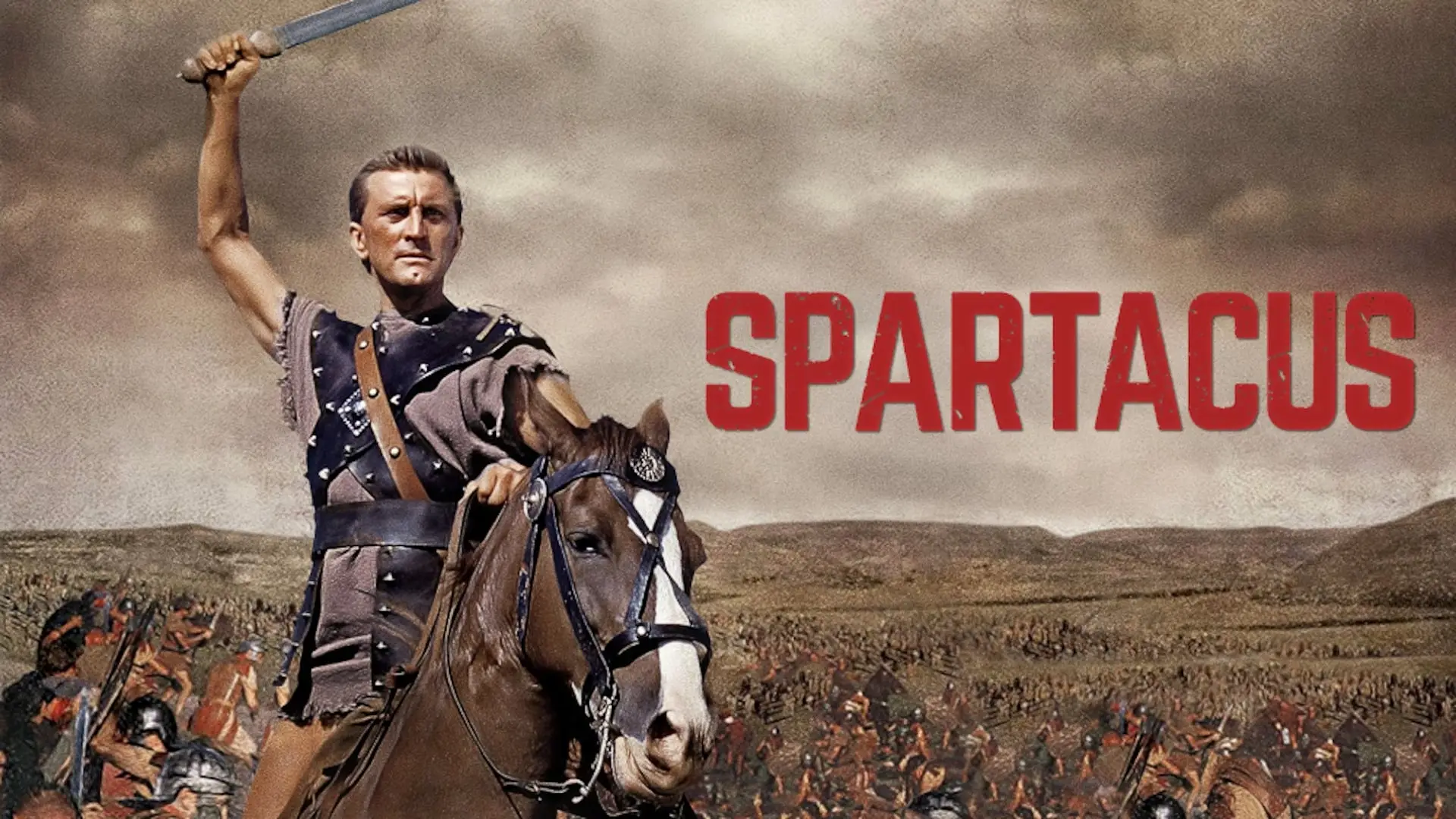
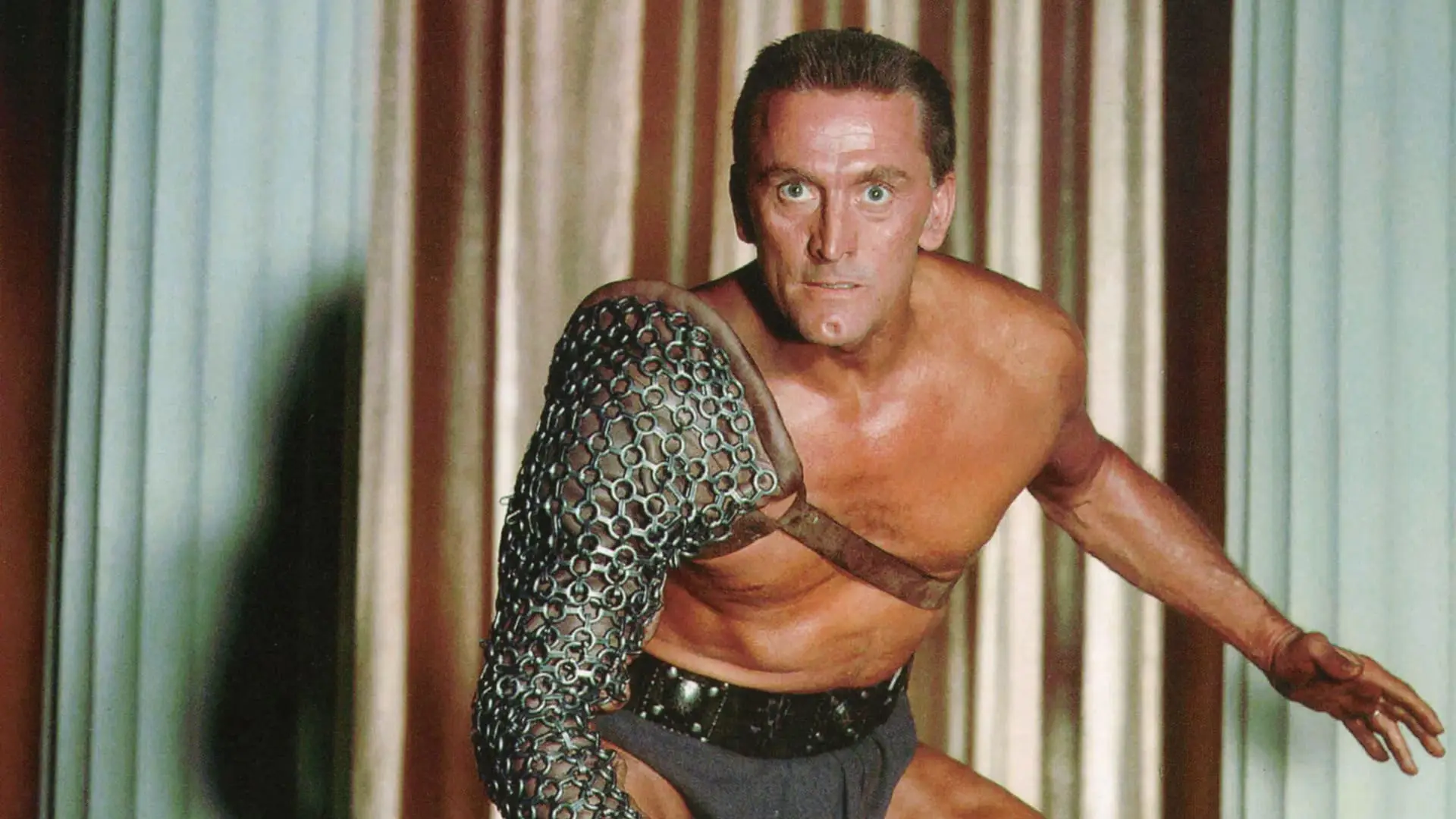
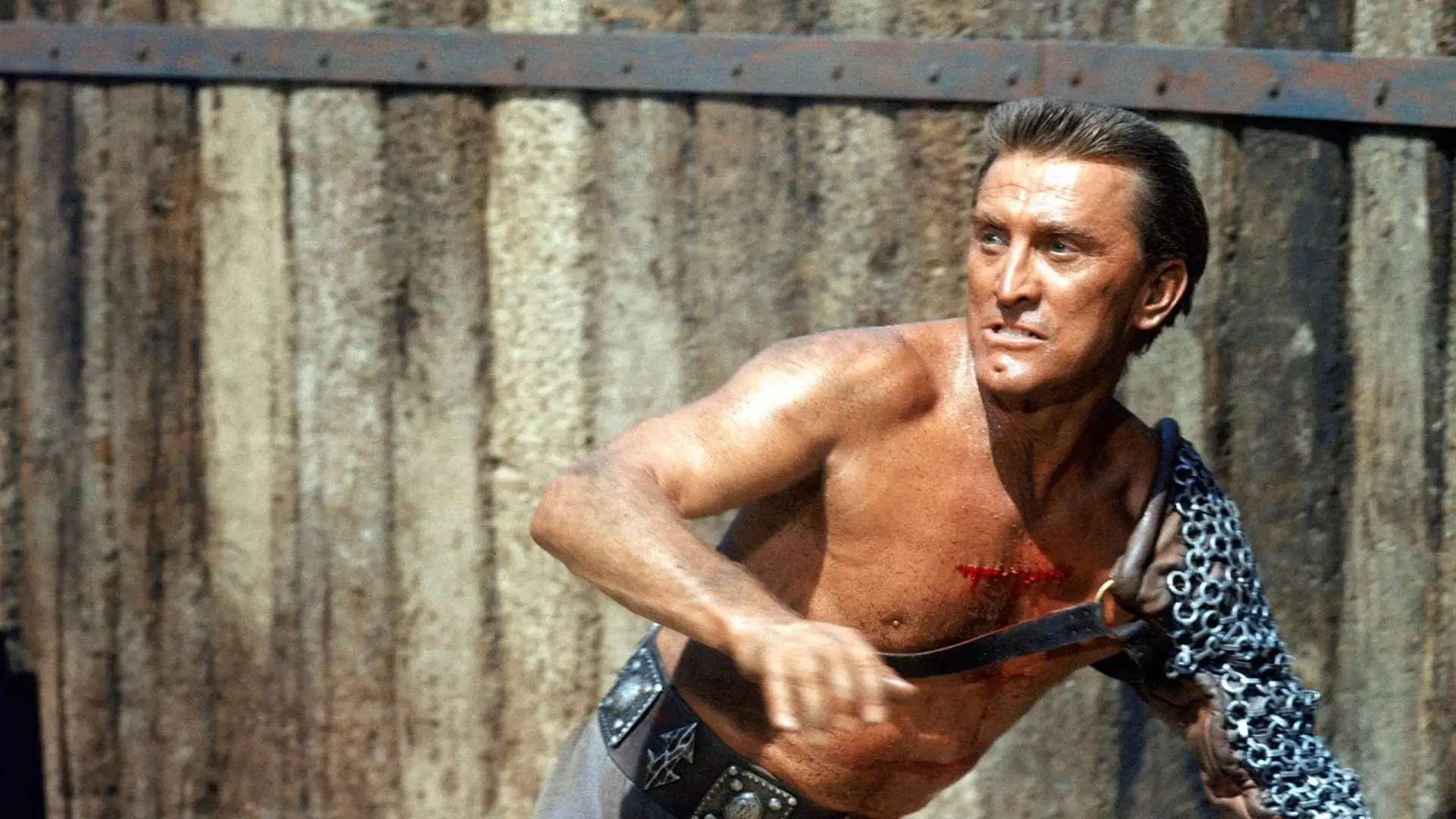
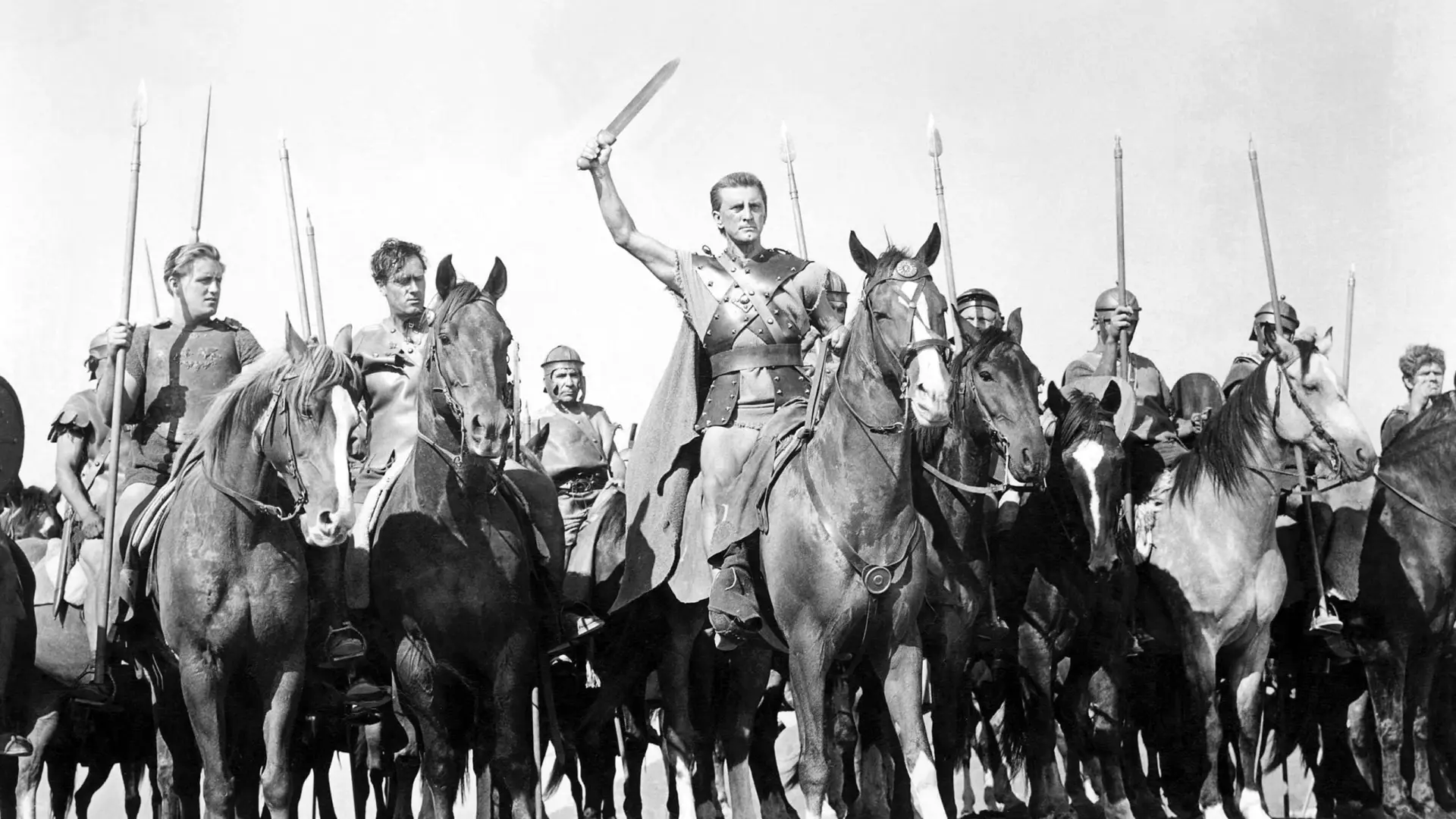
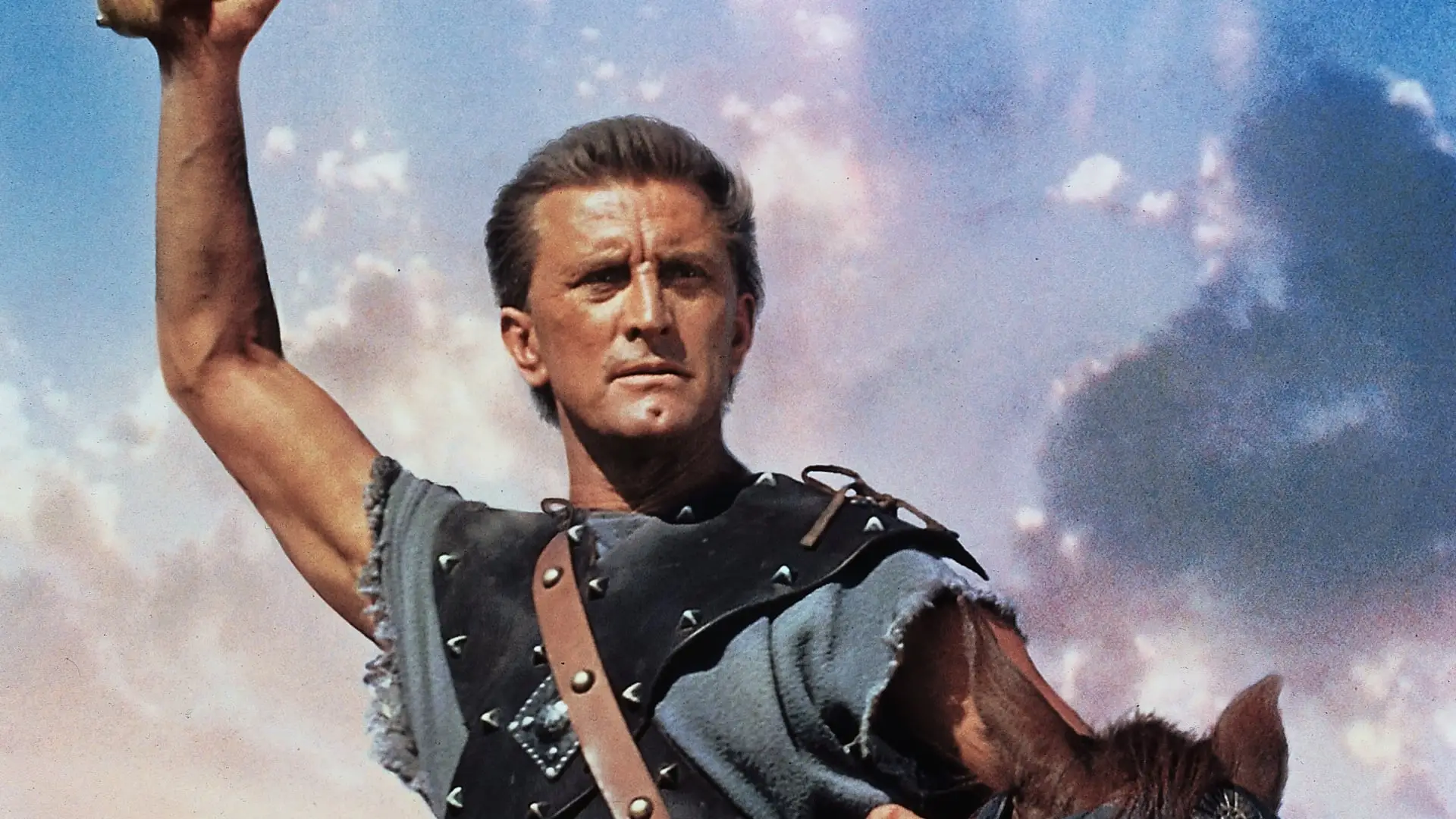
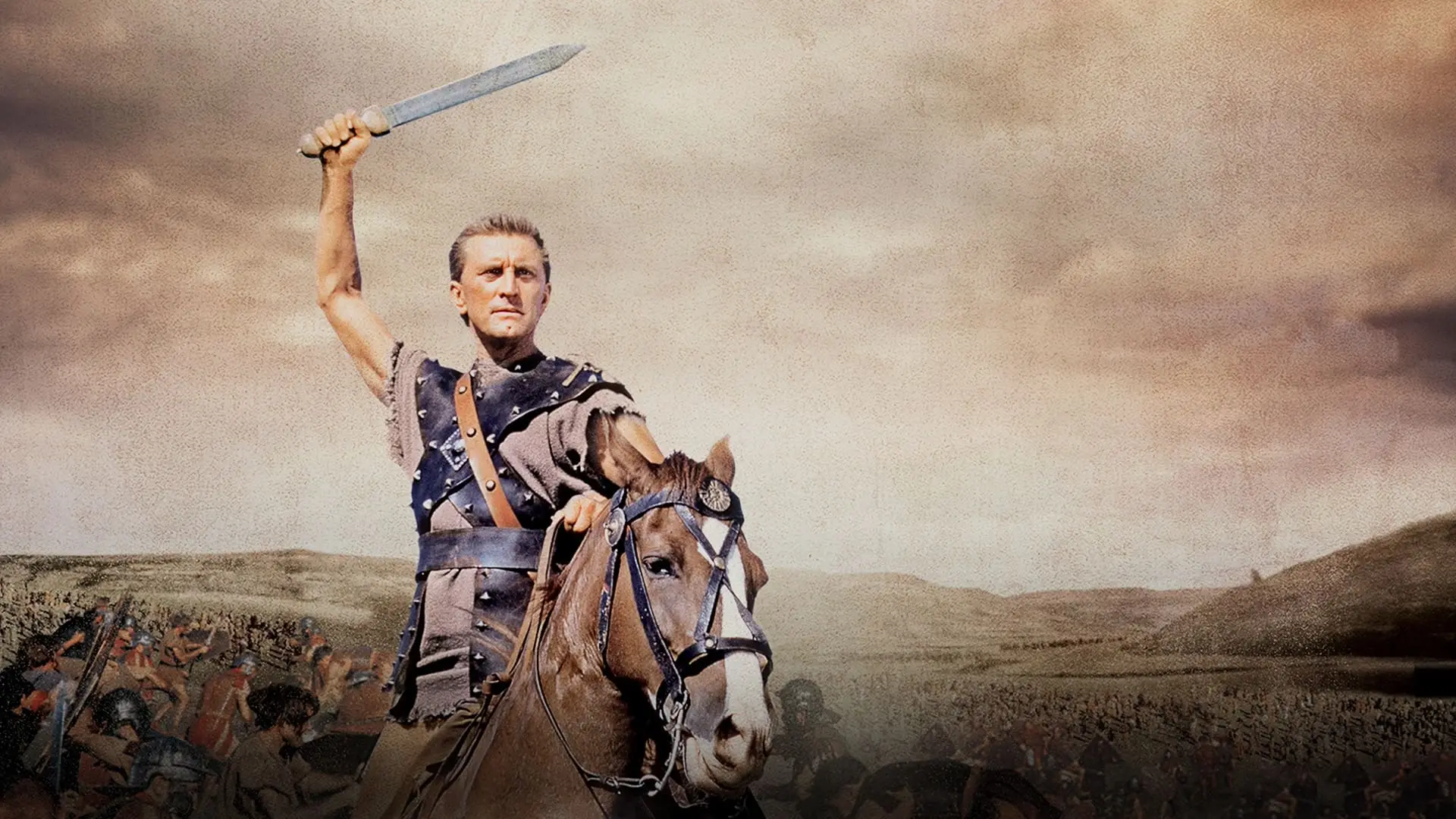
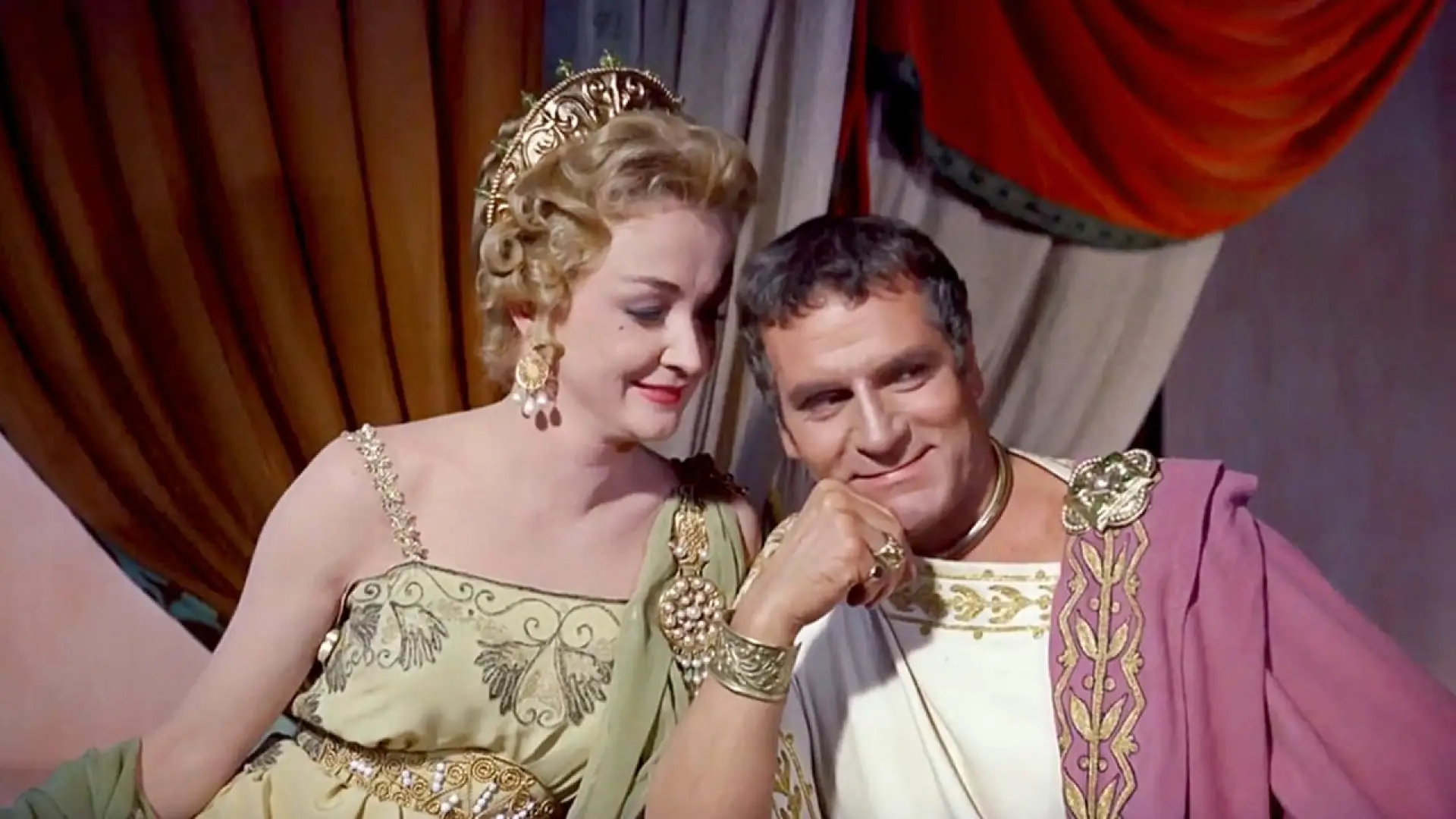
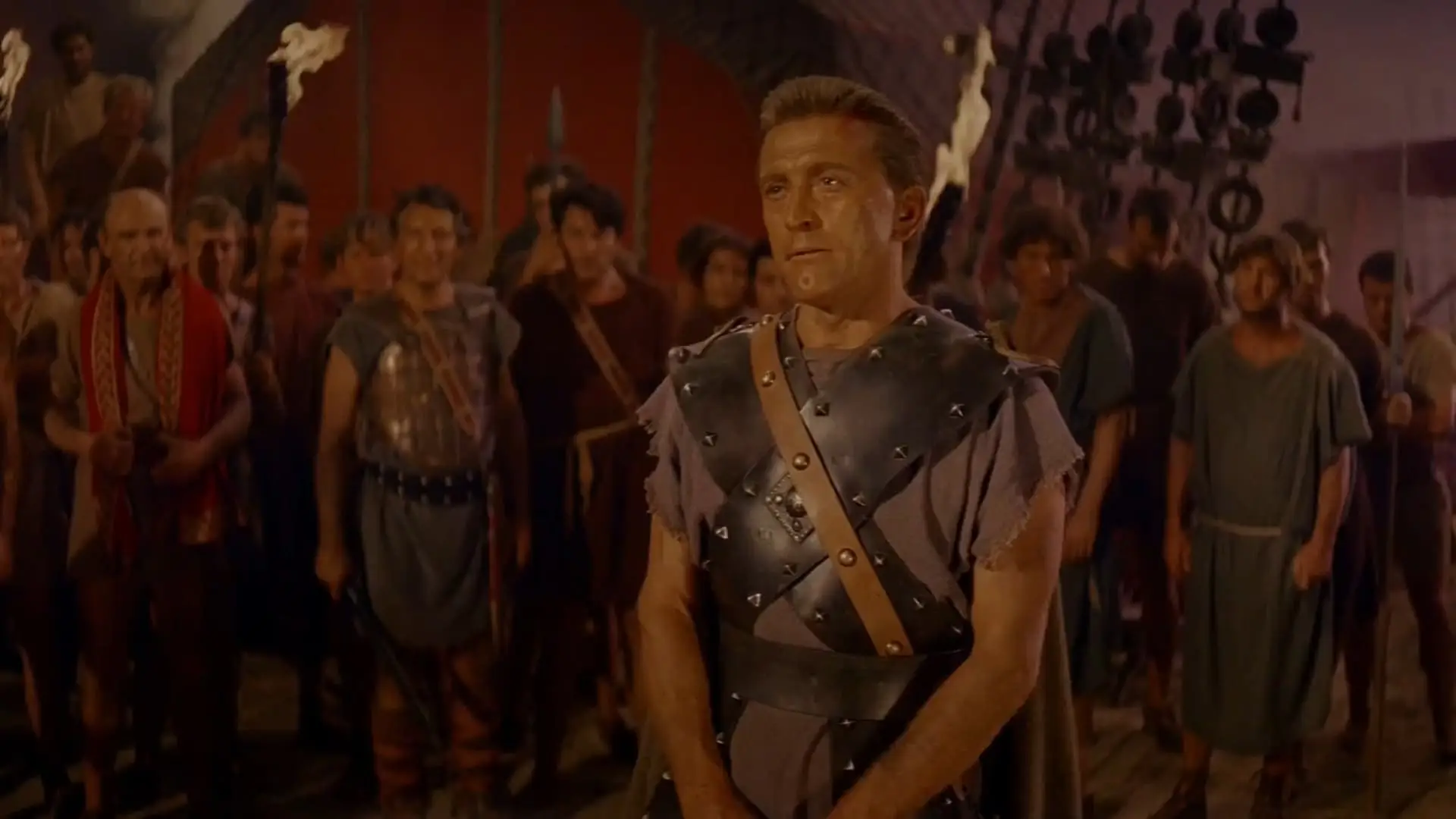
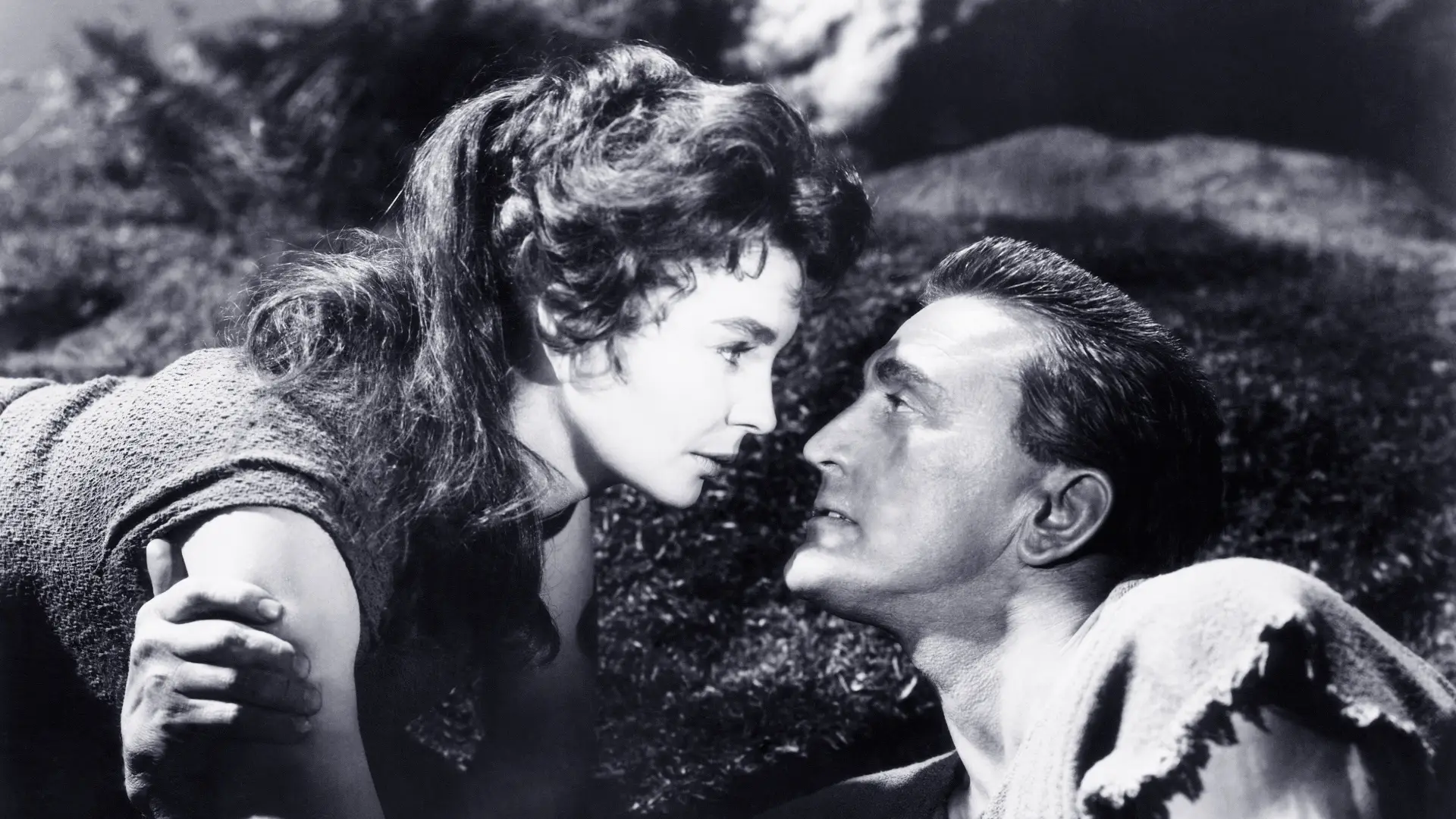
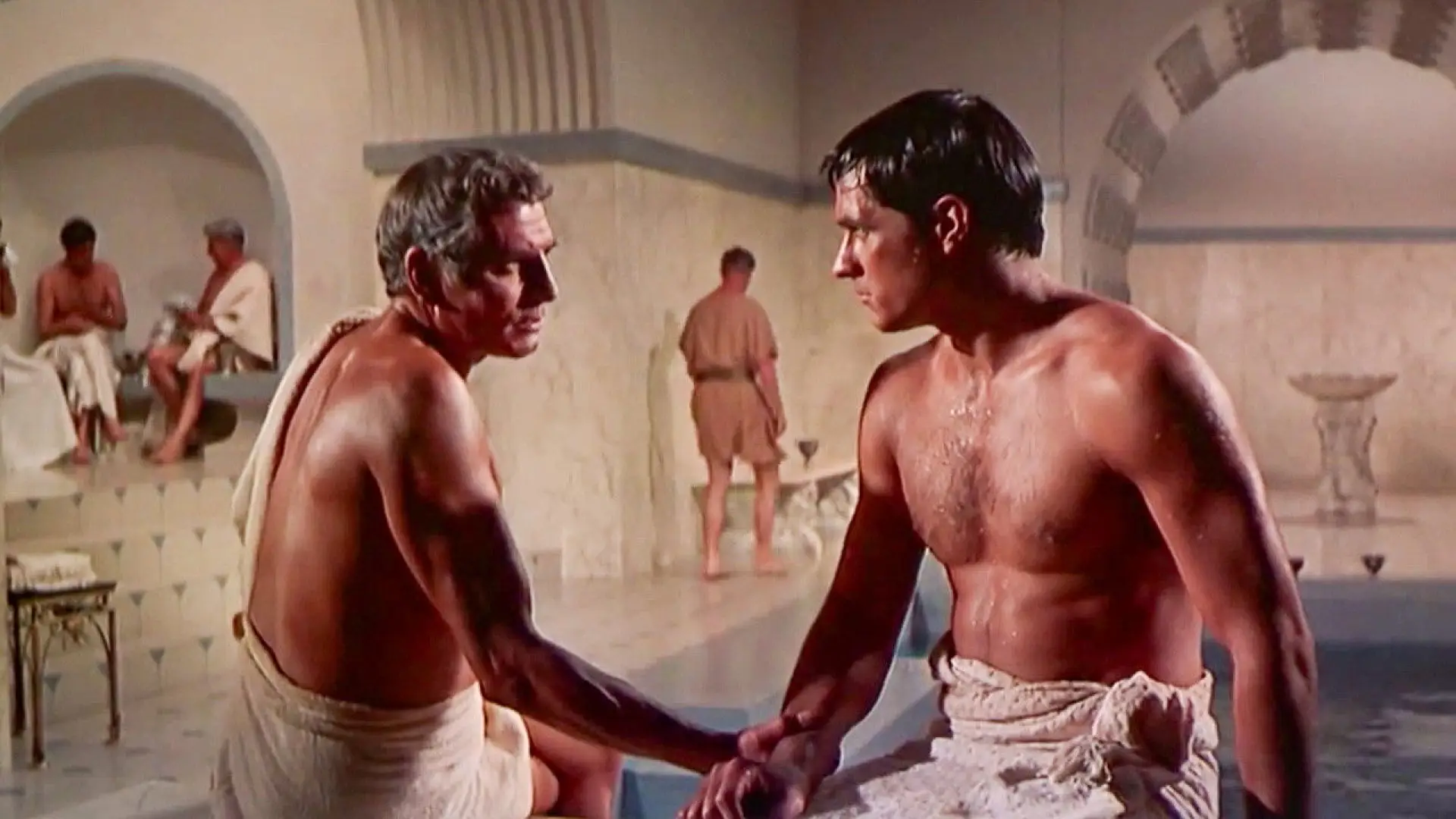
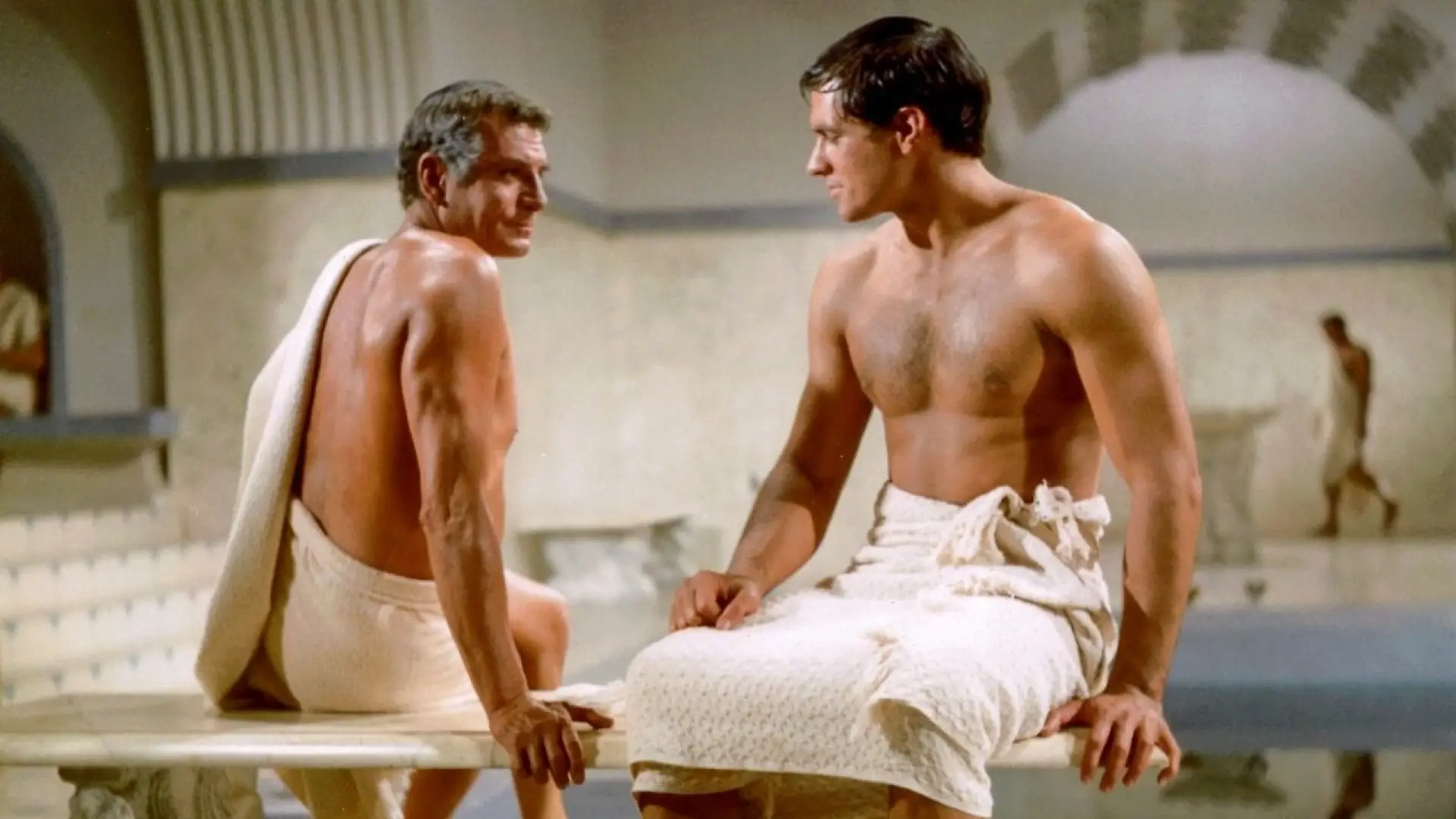
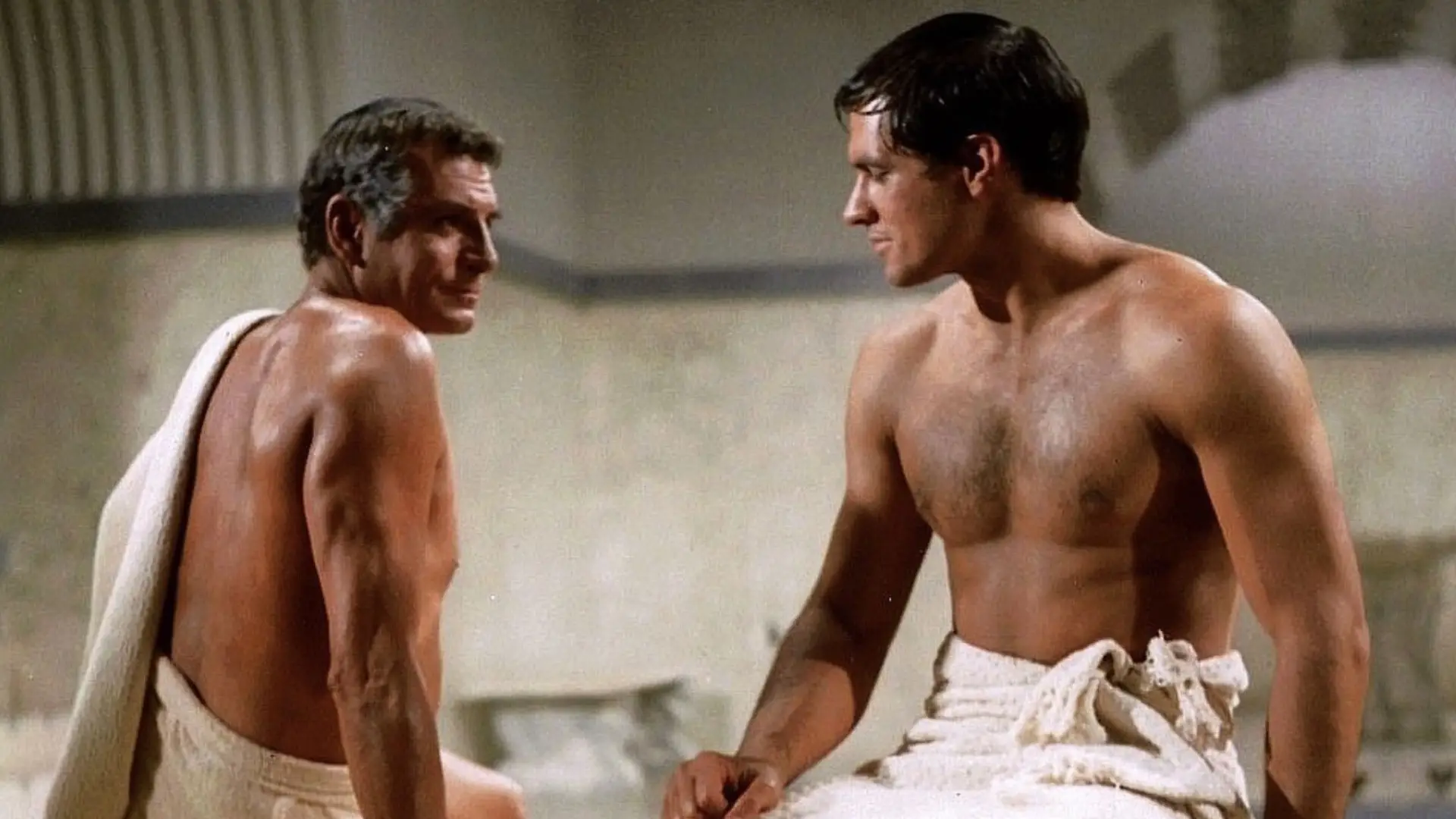
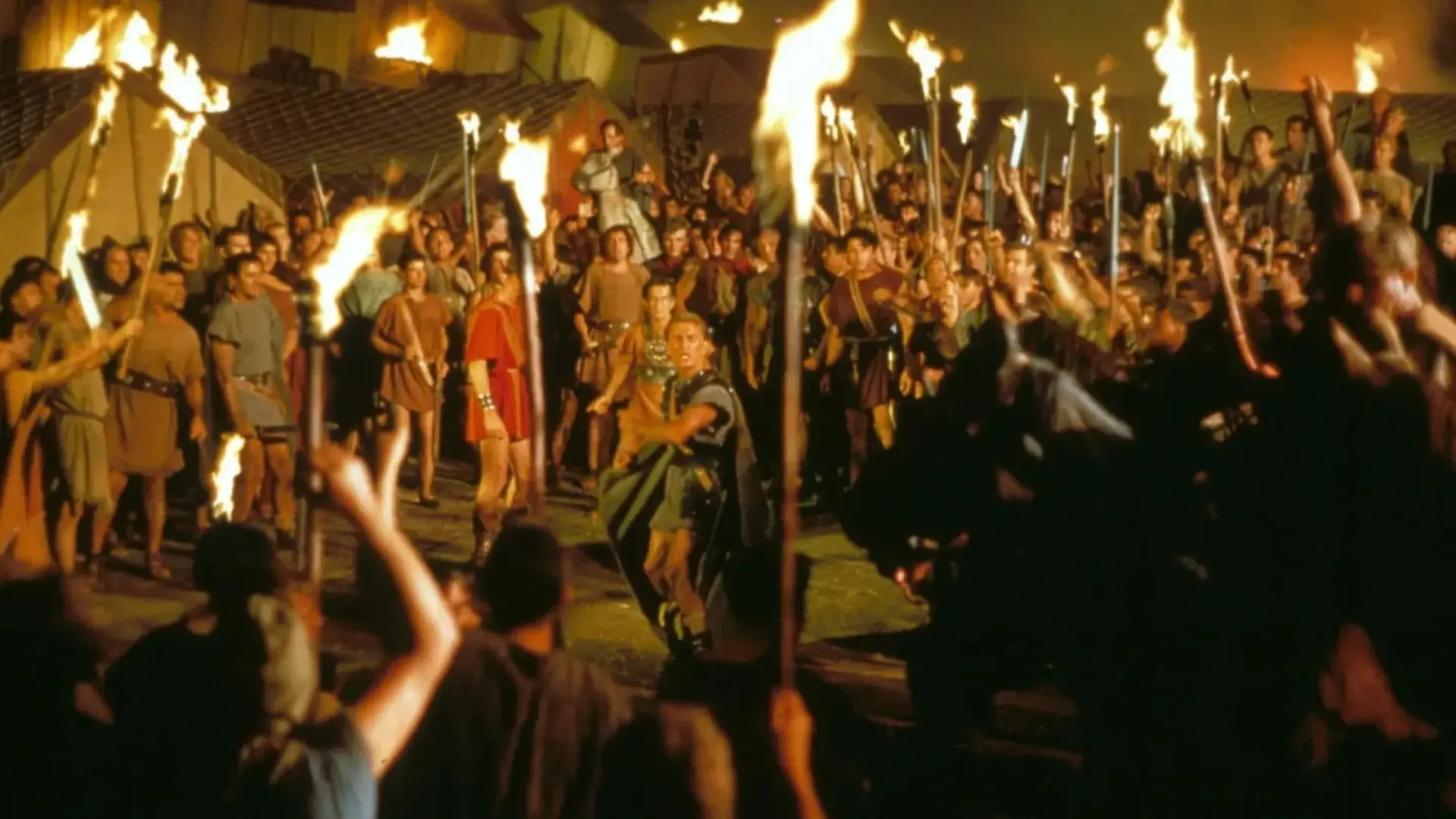
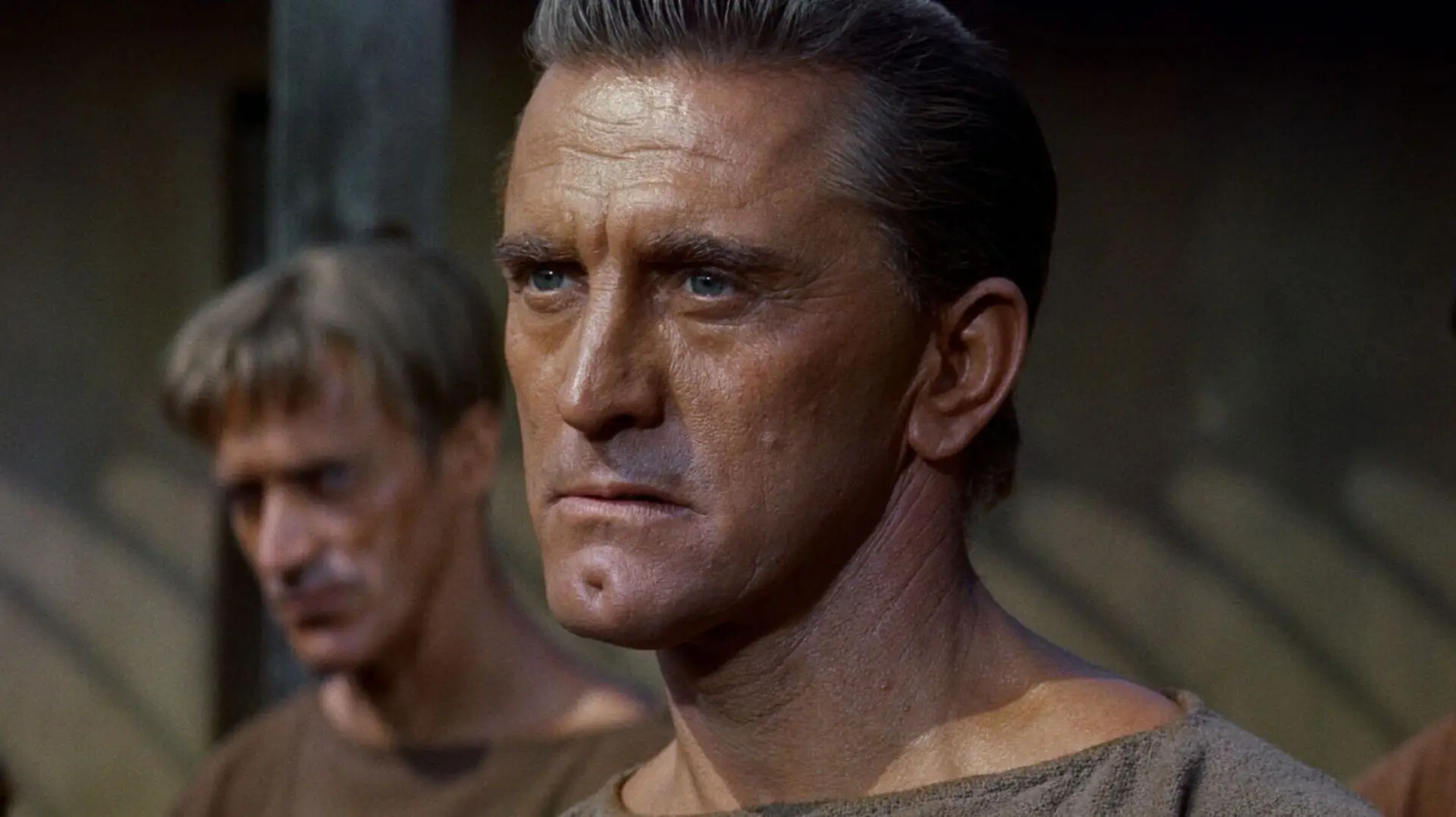
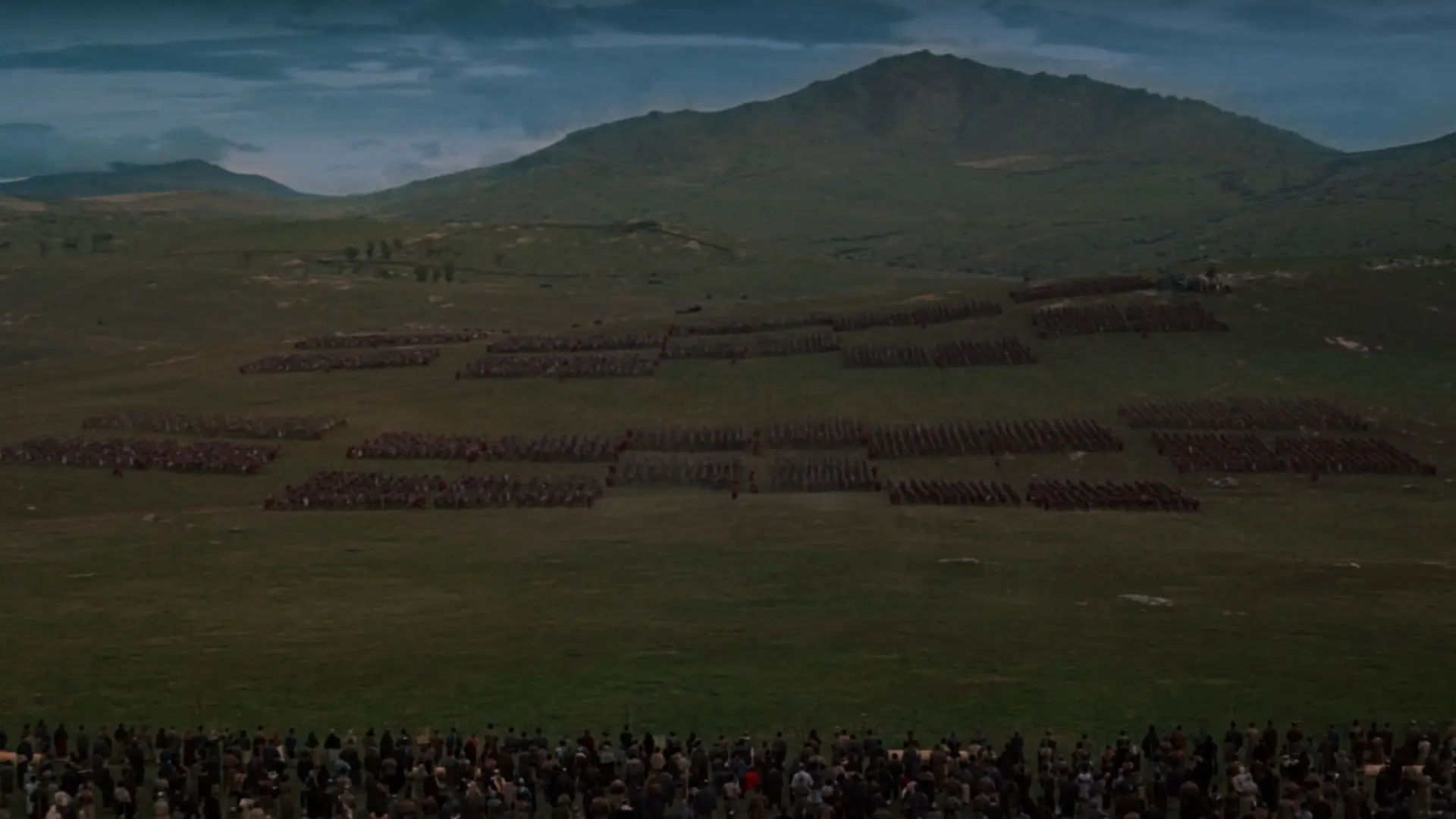
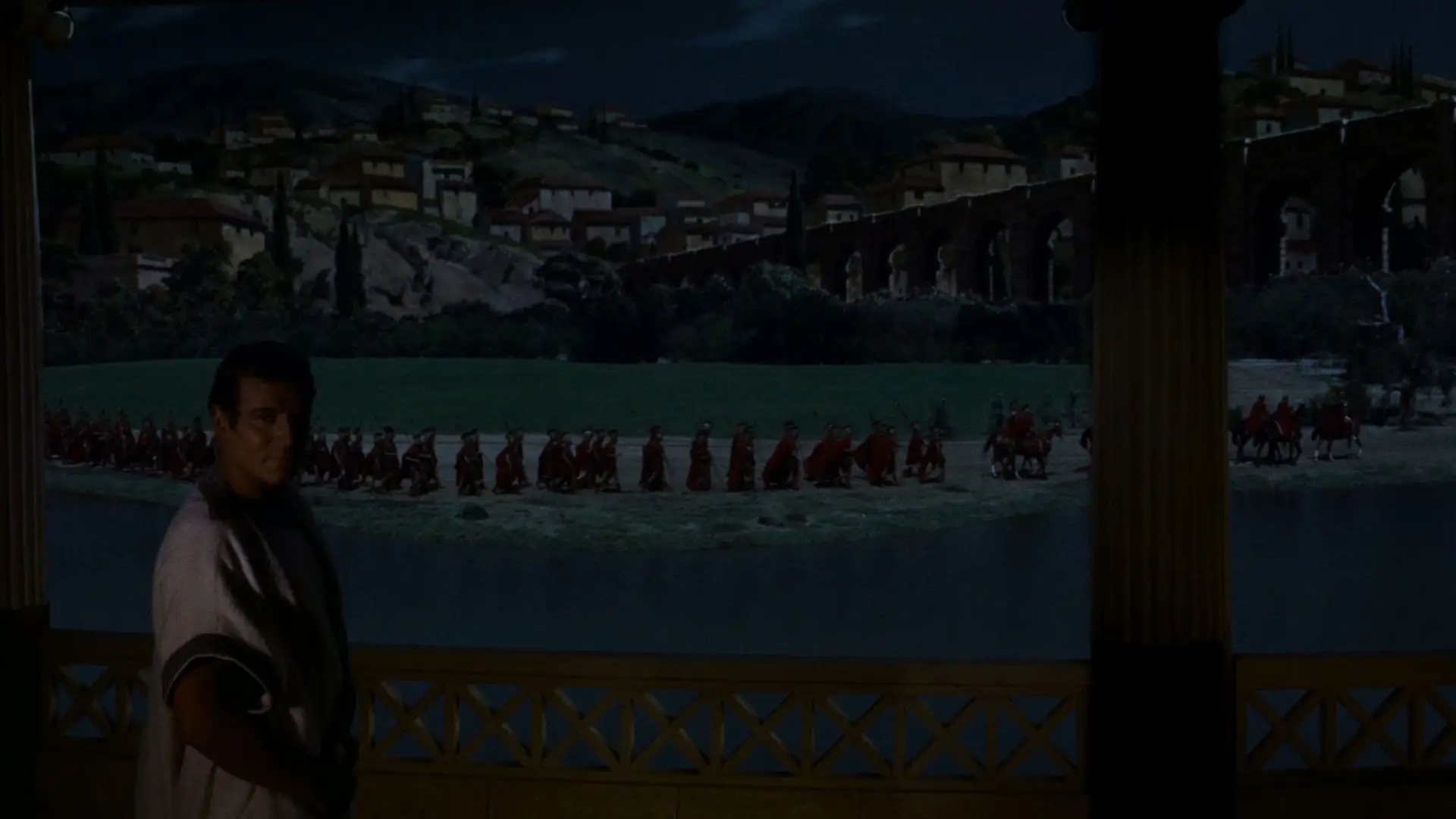
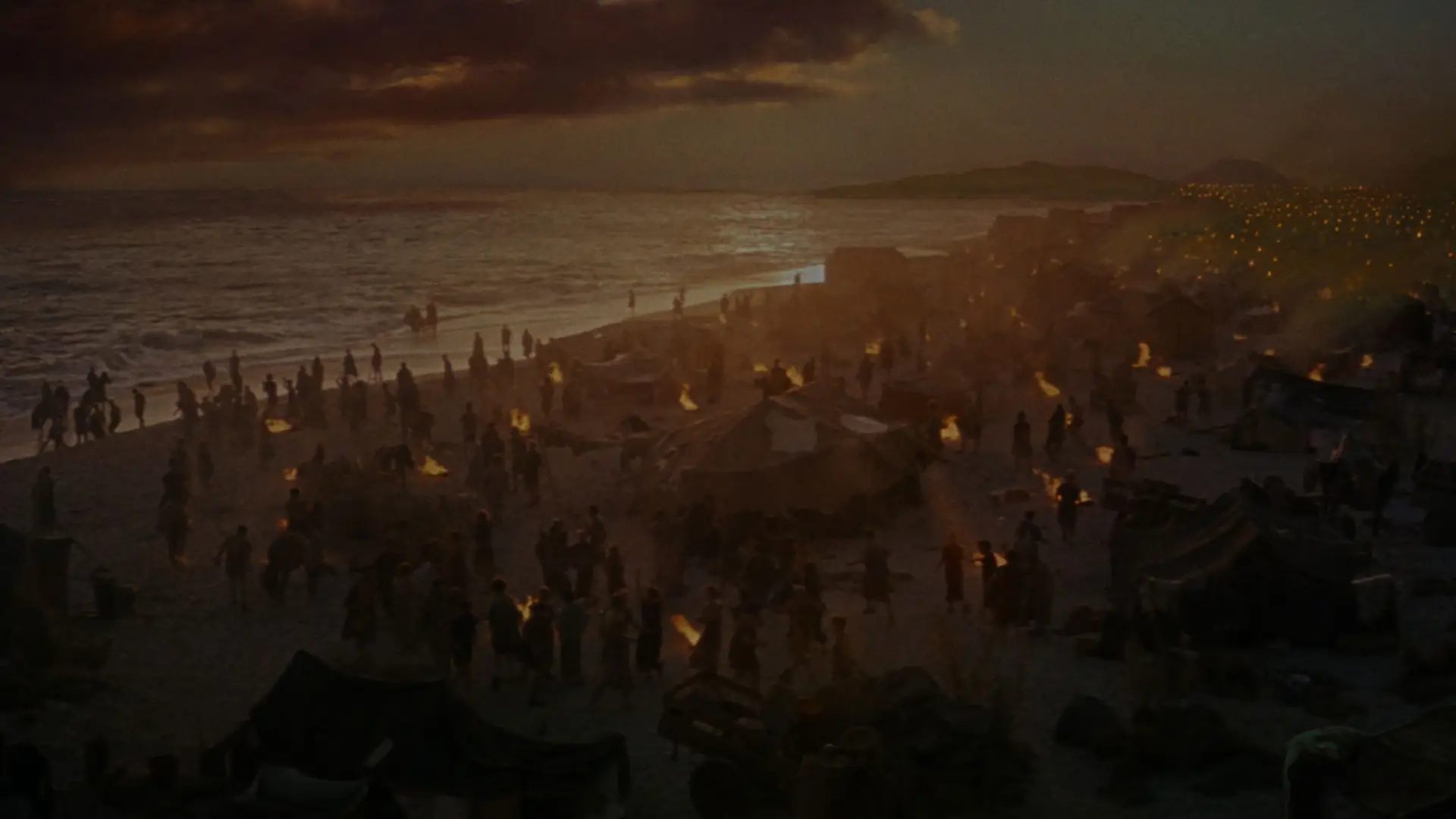
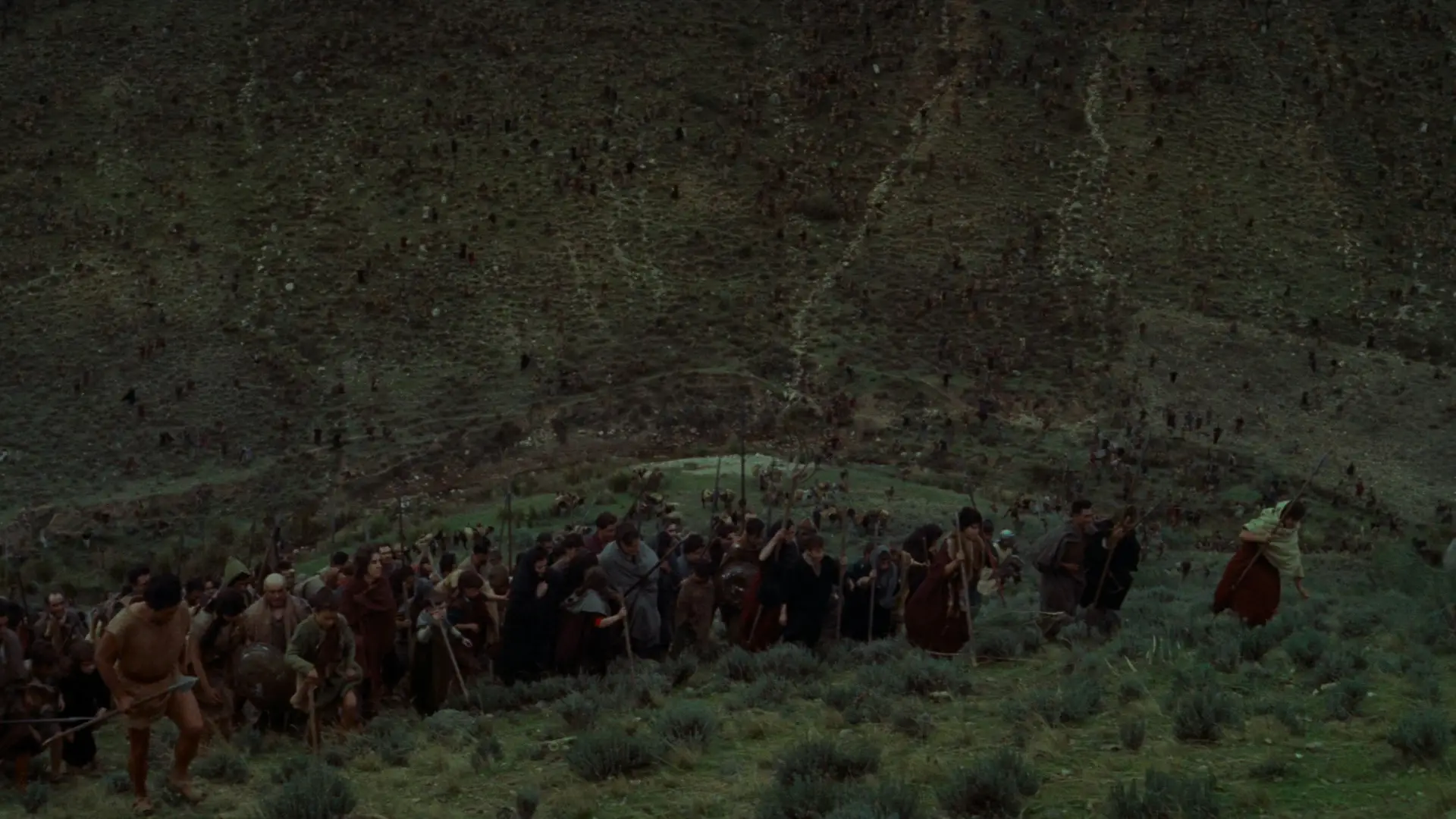
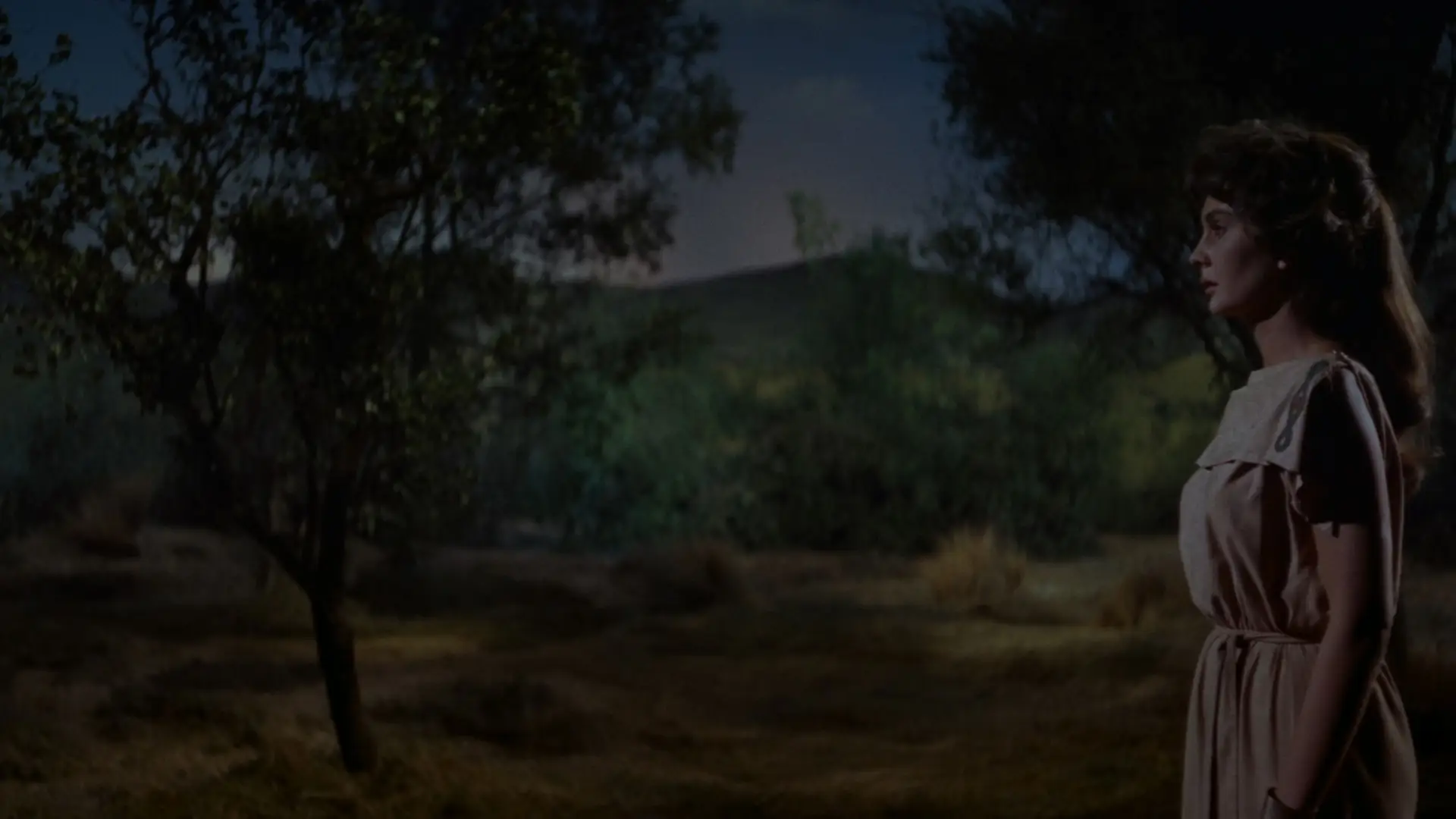
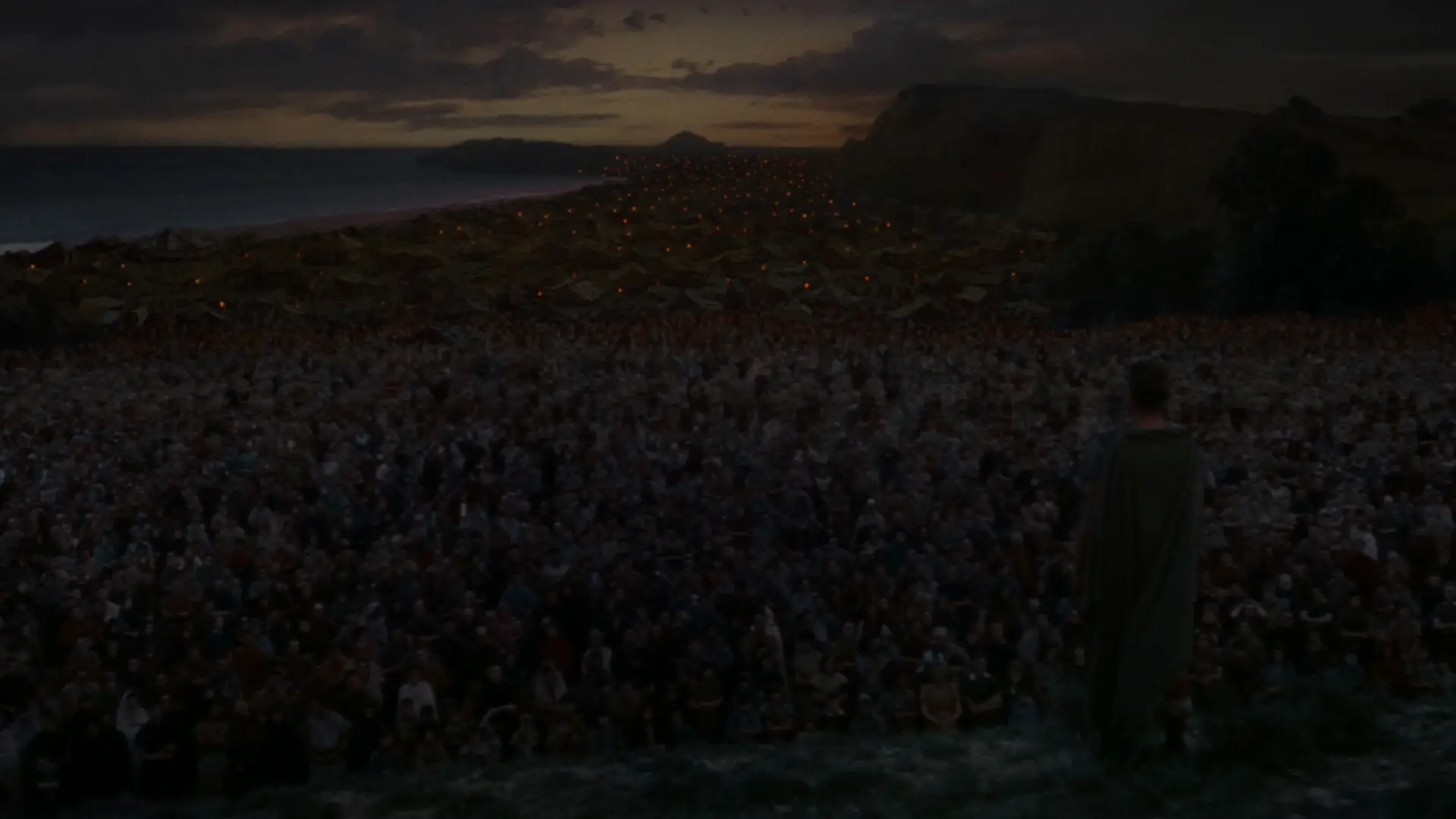
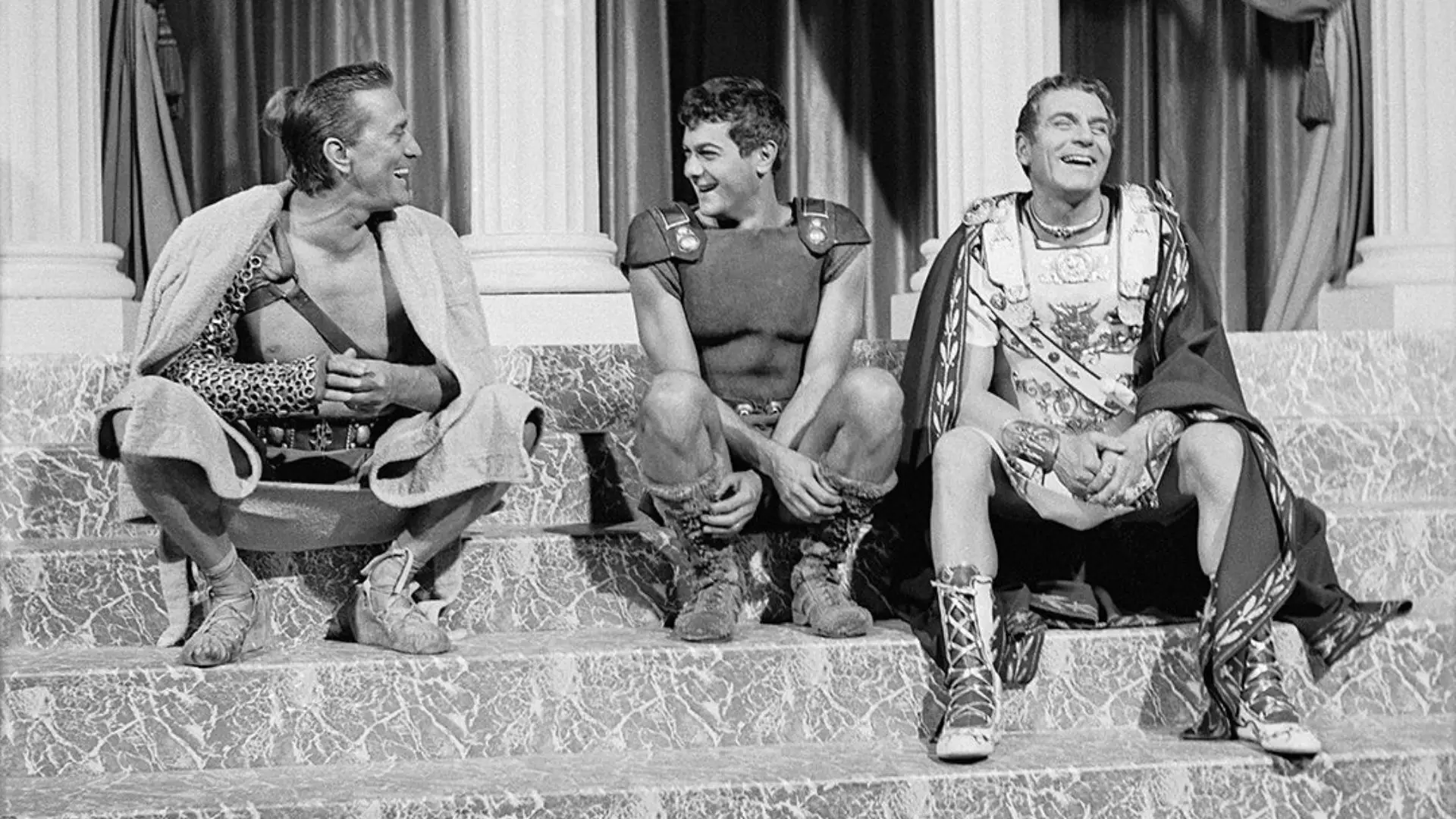
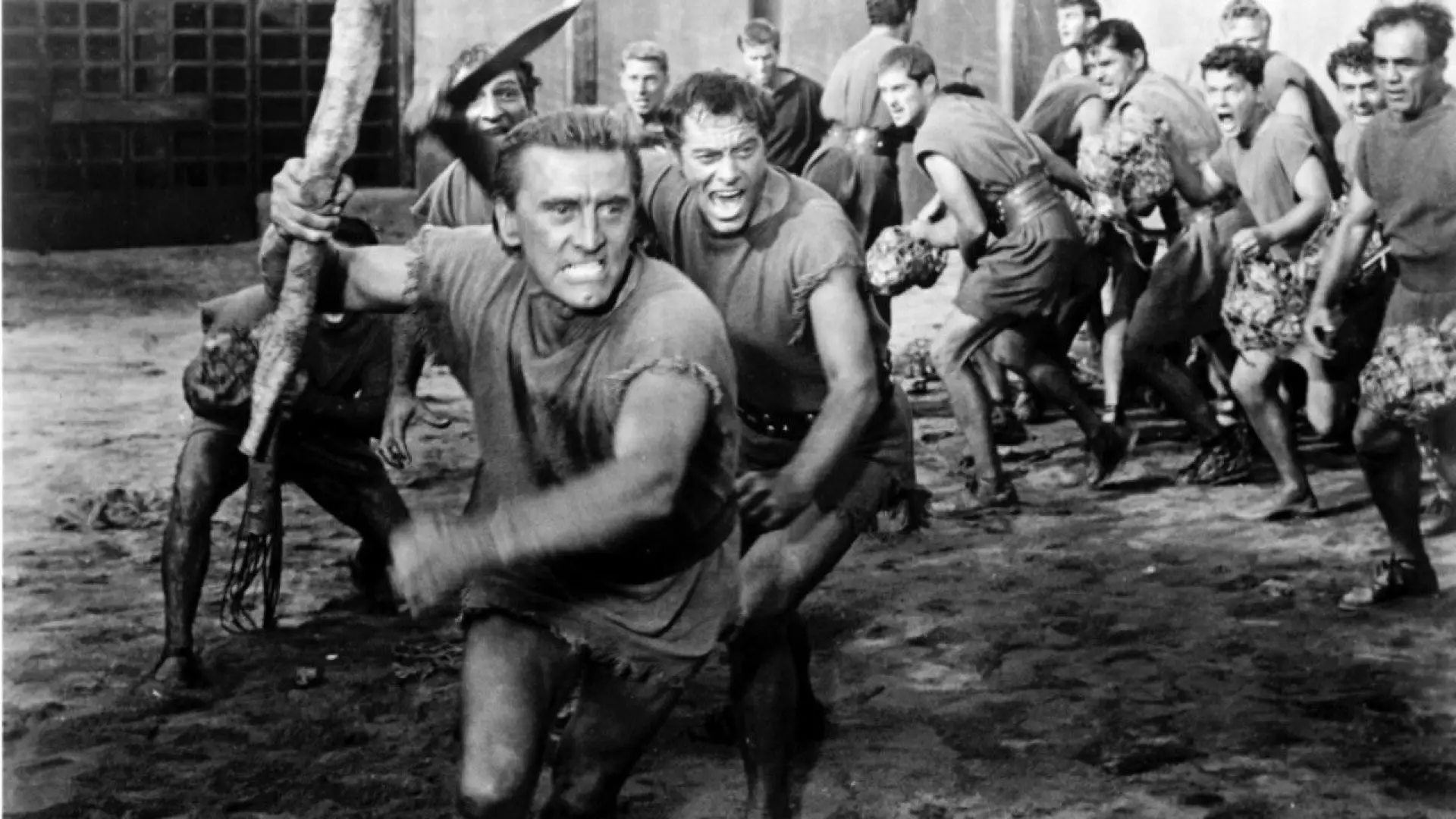
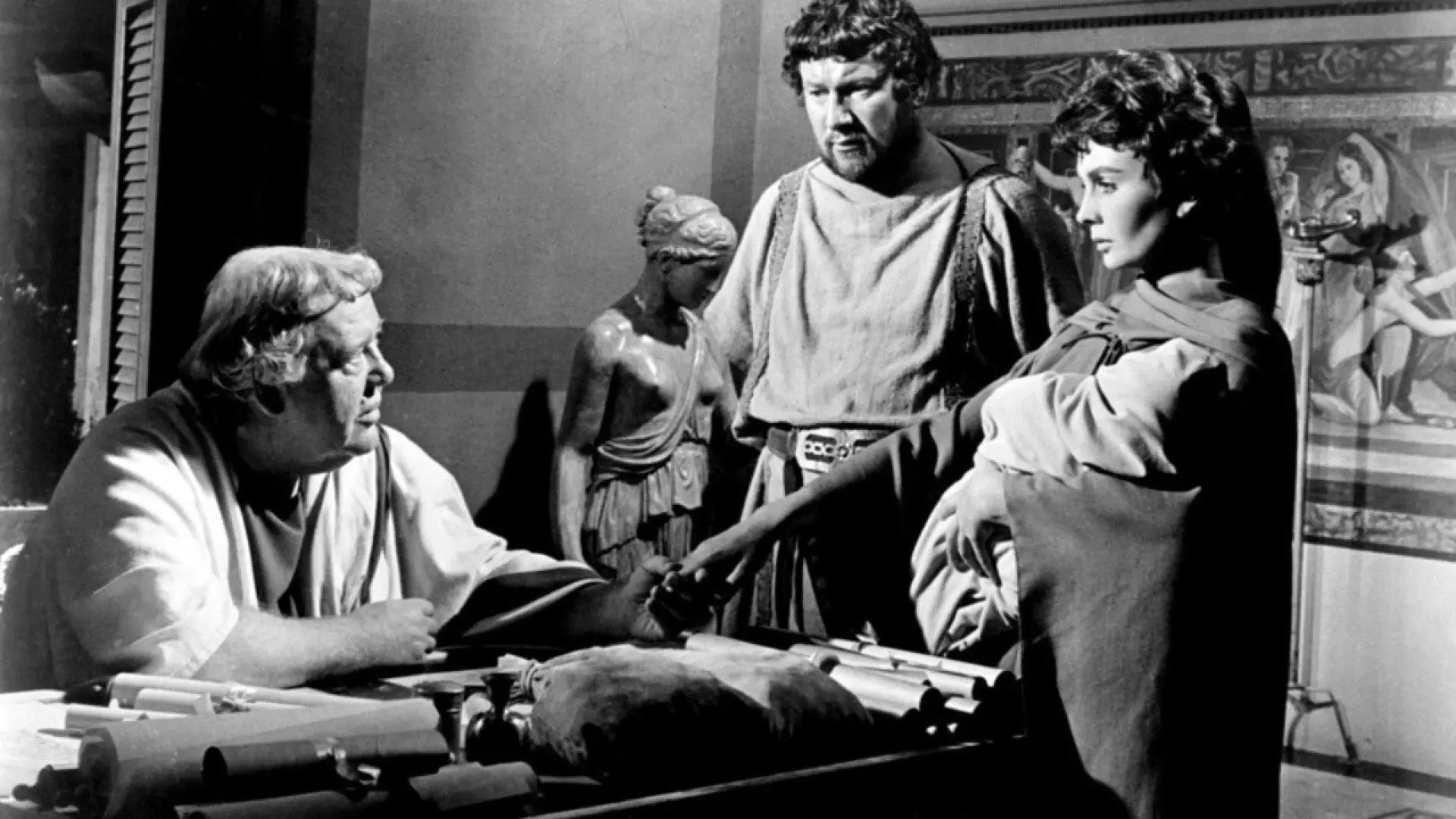
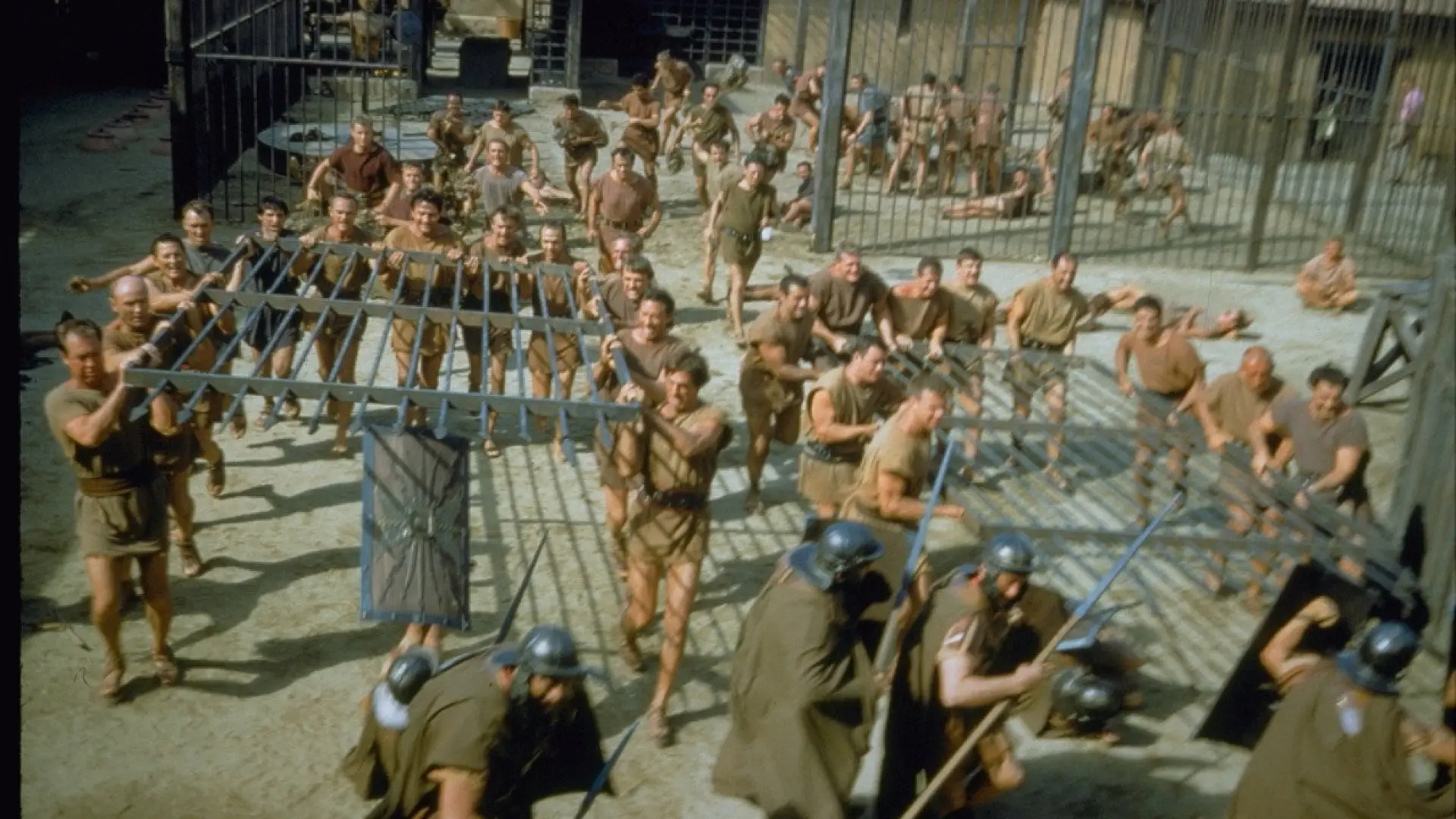
Backdrop to the movie "Spartacus" #52187Full HD 1080p
Backdrop to the movie "Spartacus" #52188Full HD 1080p
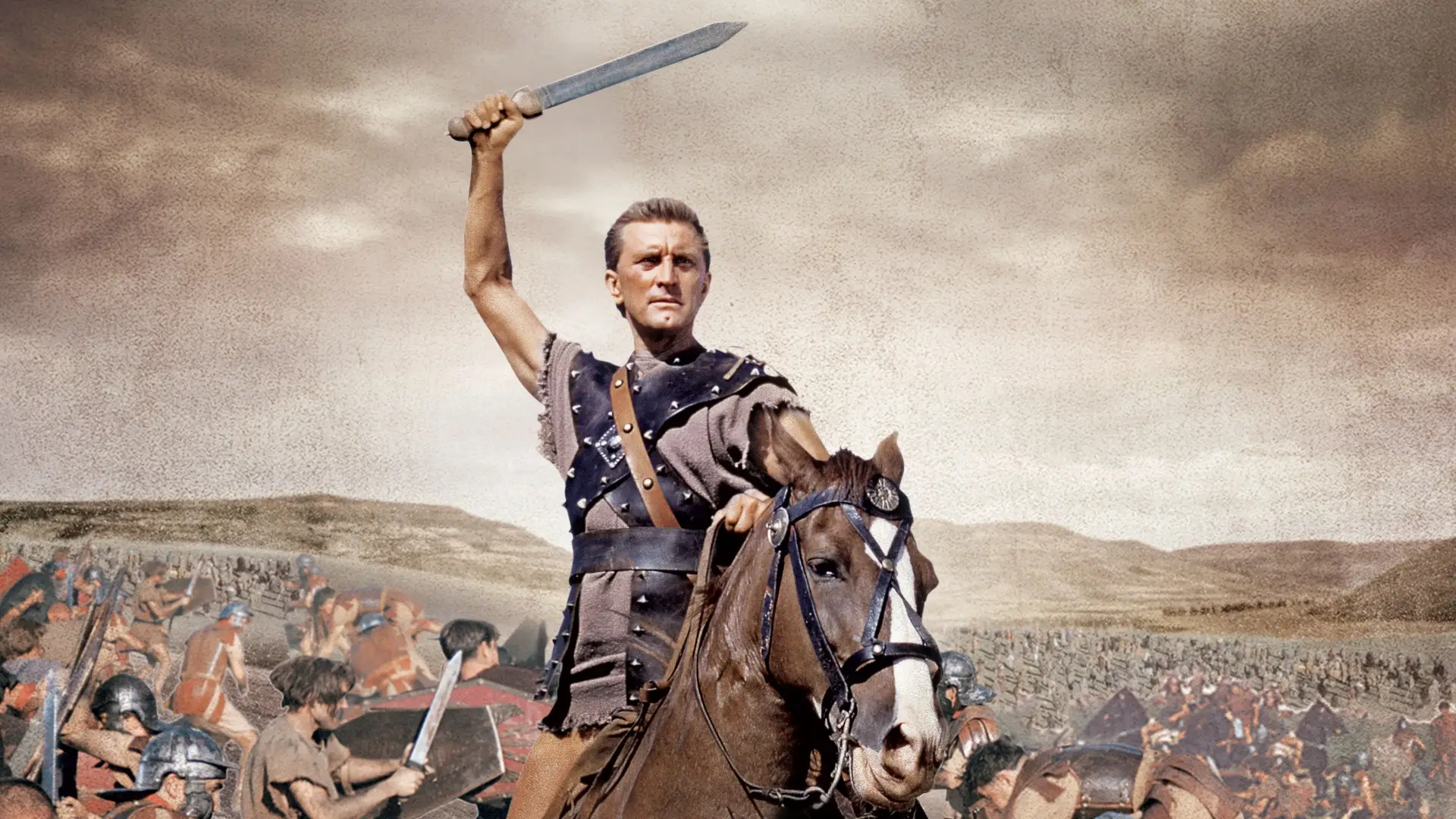
Backdrop to the movie "Spartacus" #640833HD Ready 864p
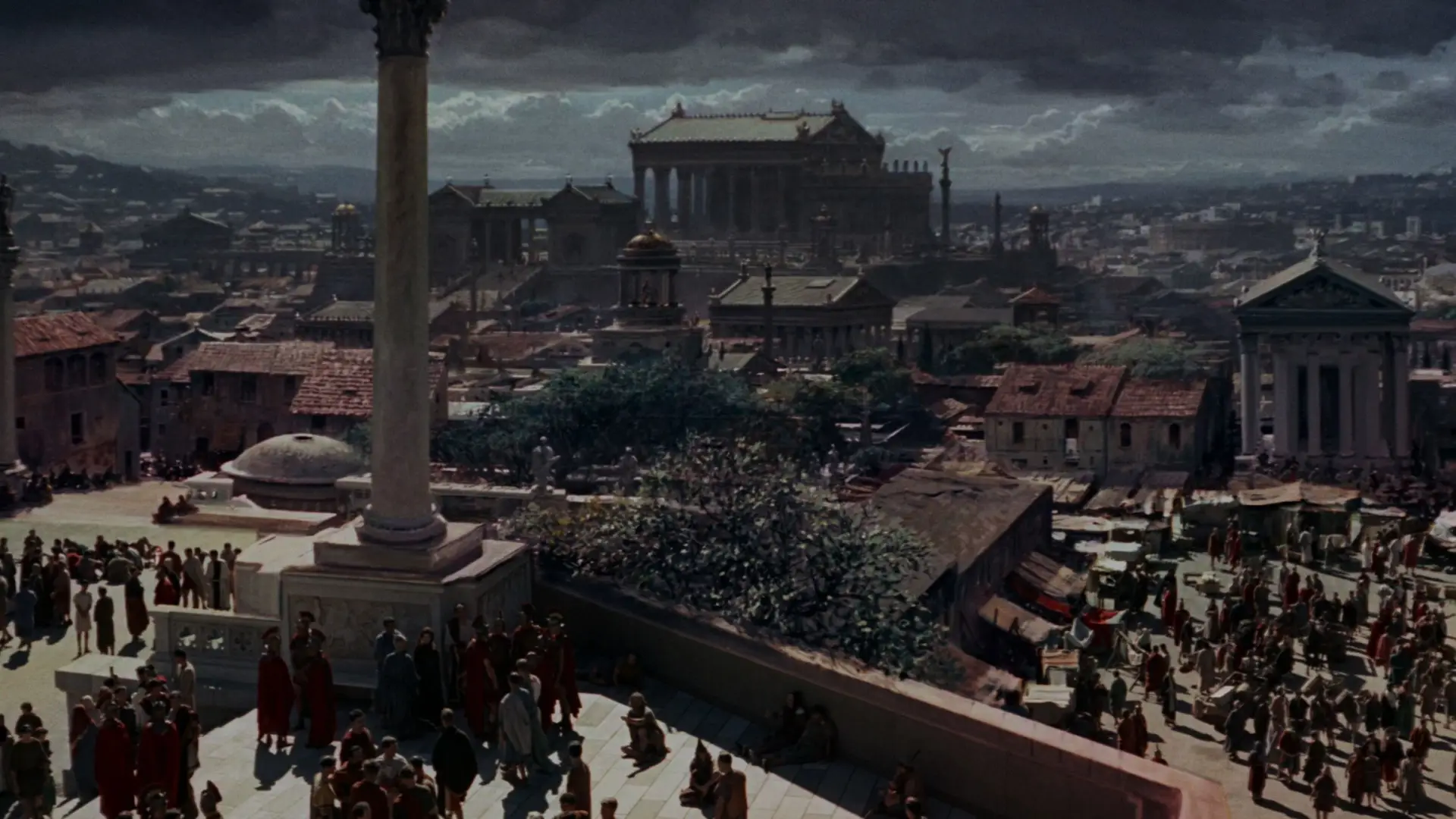
Backdrop to the movie "Spartacus" #2083004K UHD 2160p
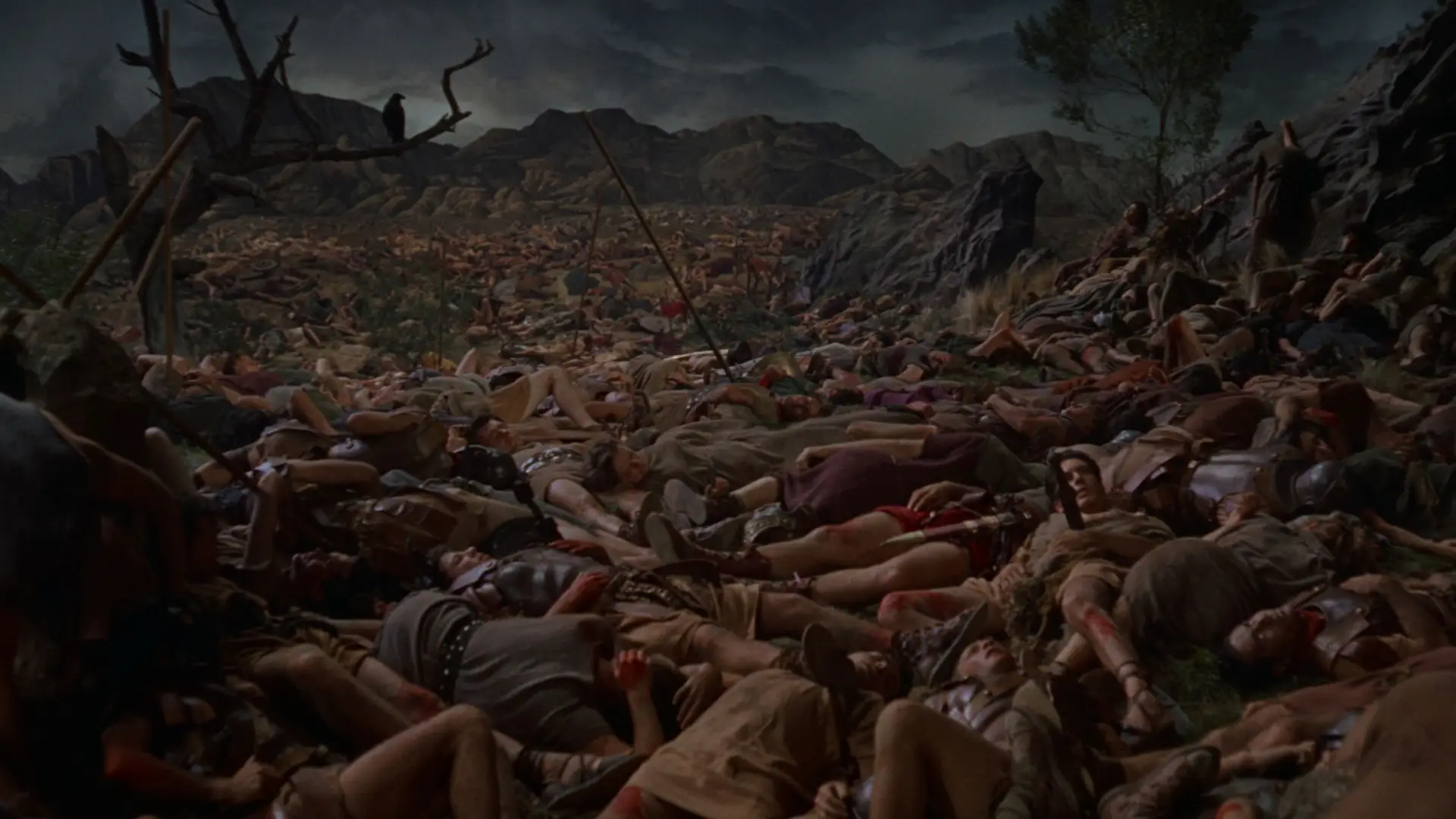
Backdrop to the movie "Spartacus" #208301Full HD 1080p
Backdrop to the movie "Spartacus" #2083022K 1440p
Backdrop to the movie "Spartacus" #208303Full HD 1435p
Backdrop to the movie "Spartacus" #208304Full HD 1080p
Backdrop to the movie "Spartacus" #208305Full HD 1080p
Backdrop to the movie "Spartacus" #208306HD Ready 720p
Backdrop to the movie "Spartacus" #208307Full HD 1080p
Backdrop to the movie "Spartacus" #2083084K UHD 2160p
Backdrop to the movie "Spartacus" #208309HD Ready 720p
Backdrop to the movie "Spartacus" #208310HD Ready 720p
Backdrop to the movie "Spartacus" #208311HD Ready 720p
Backdrop to the movie "Spartacus" #208312HD Ready 720p
Backdrop to the movie "Spartacus" #208313Full HD 1080p
Backdrop to the movie "Spartacus" #2083142K 1440p
Backdrop to the movie "Spartacus" #208315HD Ready 910p
Backdrop to the movie "Spartacus" #640816HD Ready 720p
Backdrop to the movie "Spartacus" #640818HD Ready 720p
Backdrop to the movie "Spartacus" #640819HD Ready 720p
Backdrop to the movie "Spartacus" #640821HD Ready 720p
Backdrop to the movie "Spartacus" #640823HD Ready 720p
Backdrop to the movie "Spartacus" #640825HD Ready 720p
Backdrop to the movie "Spartacus" #640827HD Ready 720p
Backdrop to the movie "Spartacus" #640829Full HD 1176p
Backdrop to the movie "Spartacus" #640831HD Ready 969p
Backdrop to the movie "Spartacus" #640832HD Ready 896p
Backdrop to the movie "Spartacus" #6408353K 2155p
Backdrop to the movie "Spartacus" #640837Full HD 1295p
Backdrop to the movie "Spartacus" #640841Full HD 1280p
Backdrop to the movie "Spartacus" #640842Full HD 1172p
Backdrop to the movie "Spartacus" #640843Full HD 1292p
Backdrop to the movie "Spartacus" #640844Full HD 1236p
Backdrop to the movie "Spartacus" #640846Full HD 1286p
Backdrop to the movie "Spartacus" #640848Full HD 1292p
Backdrop to the movie "Spartacus" #640849Full HD 1290p
Backdrop to the movie "Spartacus" #640850Full HD 1303p
Backdrop to the movie "Spartacus" #640851Full HD 1276p
Backdrop to the movie "Spartacus" #640852Full HD 1289p
Backdrop to the movie "Spartacus" #6408532K 1552p
Backdrop to the movie "Spartacus" #640854Full HD 1294p
Backdrop to the movie "Spartacus" #640855Full HD 1290p
Backdrop to the movie "Spartacus" #640856Full HD 1080p

Posters, covers

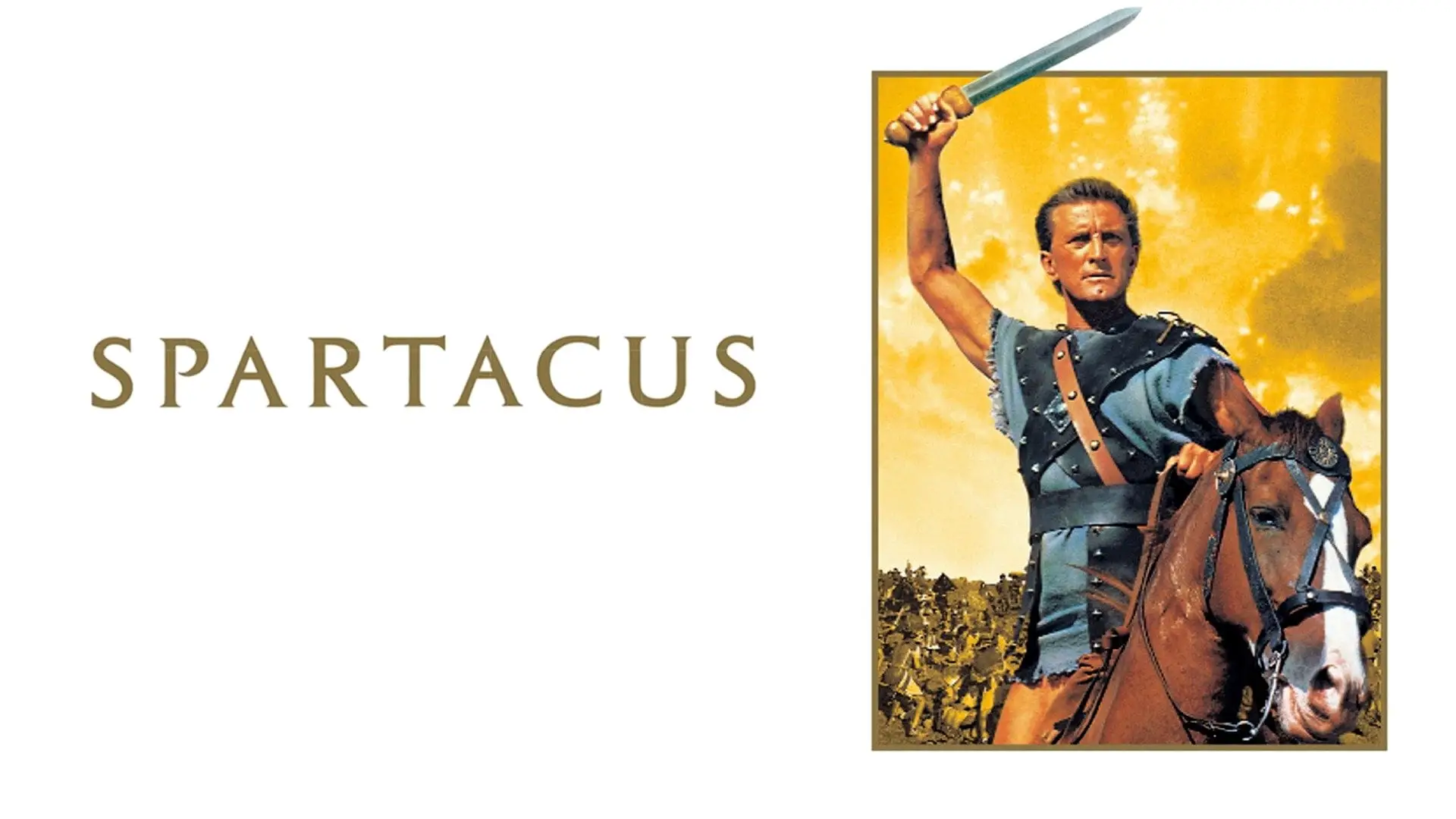
Poster to the movie "Spartacus" #521922K 1581p
Poster to the movie "Spartacus" #521932K 1500p
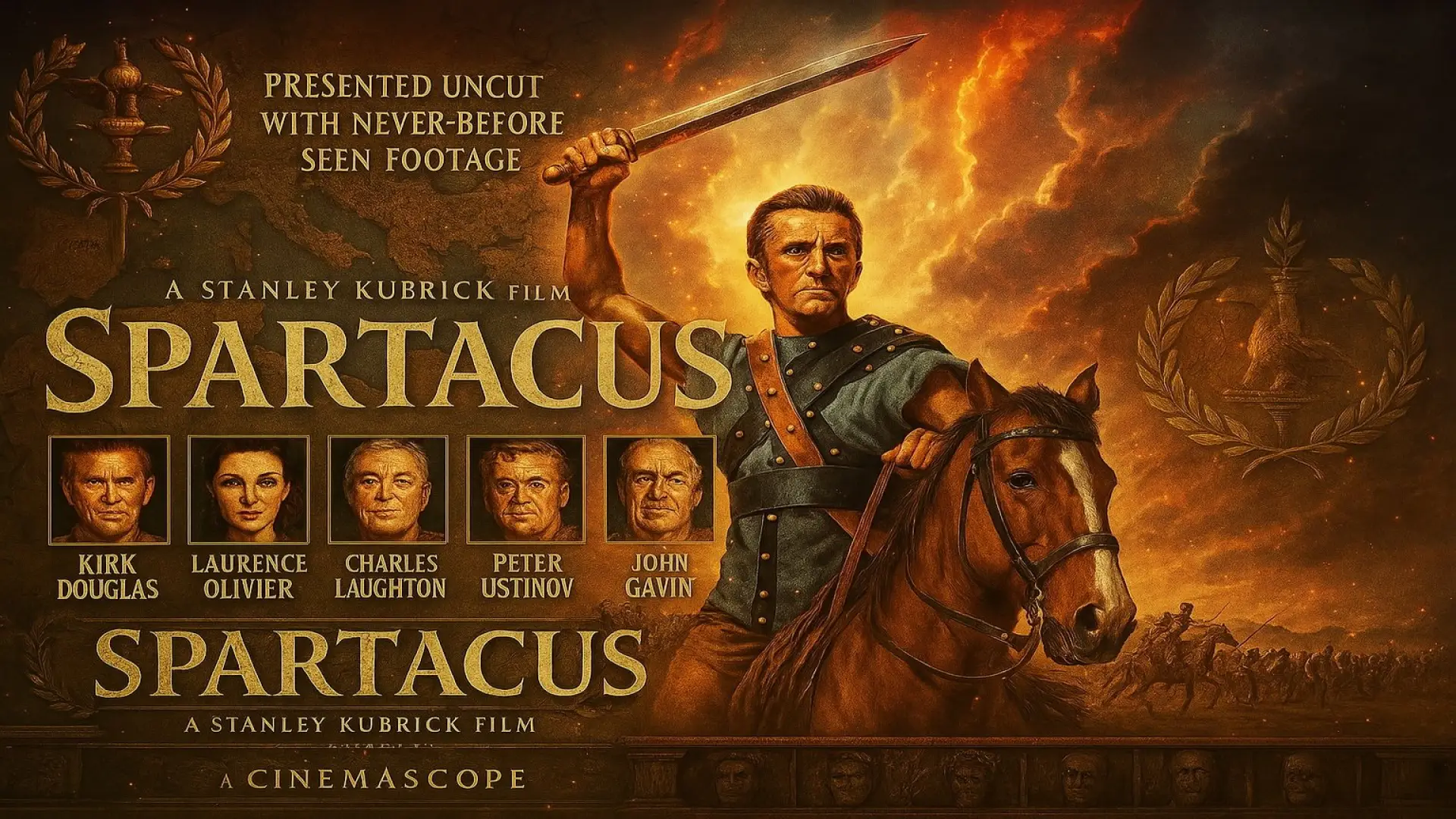
Poster to the movie "Spartacus" #521945K UHD 3000p
Poster to the movie "Spartacus" #521955K UHD 3000p
Poster to the movie "Spartacus" #521965K UHD 2834p
Poster to the movie "Spartacus" #52197HD Ready 750p
Poster to the movie "Spartacus" #521983K 2100p
Poster to the movie "Spartacus" #521995K UHD 3000p
Poster to the movie "Spartacus" #522005K UHD 2910p
Poster to the movie "Spartacus" #52201HD Ready 750p
Poster to the movie "Spartacus" #522022K 1500p
Poster to the movie "Spartacus" #522032K 1500p
Poster to the movie "Spartacus" #522043K 2100p
Poster to the movie "Spartacus" #522053K 2100p
Poster to the movie "Spartacus" #522062K 1500p
Poster to the movie "Spartacus" #522073K 2100p
Poster to the movie "Spartacus" #522085K UHD 3000p
Poster to the movie "Spartacus" #522093K 1920p
Poster to the movie "Spartacus" #522103K 1912p
Poster to the movie "Spartacus" #522112K 1500p
Poster to the movie "Spartacus" #522122K 1600p
Poster to the movie "Spartacus" #522135K UHD 2835p
Poster to the movie "Spartacus" #52214Full HD 1426p
Poster to the movie "Spartacus" #522154K UHD 2250p
Poster to the movie "Spartacus" #522165K UHD 3000p
Poster to the movie "Spartacus" #522173K 2100p
Poster to the movie "Spartacus" #522185K UHD 3000p
Poster to the movie "Spartacus" #52219HD Ready 990p
Poster to the movie "Spartacus" #522202K 1500p
Poster to the movie "Spartacus" #522212K 1500p
Poster to the movie "Spartacus" #522225K UHD 2742p
Poster to the movie "Spartacus" #522232K 1500p
Poster to the movie "Spartacus" #522245K UHD 2789p
Poster to the movie "Spartacus" #522255K UHD 2835p
Poster to the movie "Spartacus" #522262K 1500p
Poster to the movie "Spartacus" #522275K UHD 2834p
Poster to the movie "Spartacus" #522285K UHD 2809p
Poster to the movie "Spartacus" #522292K 1500p
Poster to the movie "Spartacus" #52230HD Ready 960p
Poster to the movie "Spartacus" #522313K 1635p
Poster to the movie "Spartacus" #52232Full HD 1152p
Poster to the movie "Spartacus" #522332K 1500p
Poster to the movie "Spartacus" #52234HD Ready 900p
Poster to the movie "Spartacus" #52235Full HD 1200p
Poster to the movie "Spartacus" #522365K UHD 2764p
Poster to the movie "Spartacus" #522375K UHD 3000p
Poster to the movie "Spartacus" #6408582K 1500p
Poster to the movie "Spartacus" #6408592K 1500p
Poster to the movie "Spartacus" #6408605K UHD 3000p
Poster to the movie "Spartacus" #6408615K UHD 3000p
Poster to the movie "Spartacus" #6408625K UHD 3000p
Poster to the movie "Spartacus" #6408635K UHD 2862p
Poster to the movie "Spartacus" #6408655K UHD 2726p
Poster to the movie "Spartacus" #6408675K UHD 2726p
Poster to the movie "Spartacus" #6408695K UHD 2726p
Poster to the movie "Spartacus" #640873Full HD 1191p
Poster to the movie "Spartacus" #640876Full HD 1152p
Poster to the movie "Spartacus" #6408805K UHD 2726p
Poster to the movie "Spartacus" #640884Full HD 1152p
Poster to the movie "Spartacus" #640895Full HD 1152p
Poster to the movie "Spartacus" #2083165K UHD 3000p
Poster to the movie "Spartacus" #6408823K 1800p
Poster to the movie "Spartacus" #6408865K UHD 3000p
Poster to the movie "Spartacus" #6408885K UHD 3000p
Poster to the movie "Spartacus" #6408905K UHD 3000p

What's left behind the scenes

  • The film is based on the novel of the same name by Howard Fast.
  • Stanley Kubrick took over directing the film after Kirk Douglas, the lead actor, had a falling out with director Anthony Mann. According to Peter Ustinov, the scene at the salt mines was the only one Mann managed to film.
  • David Lean turned down the directing job, and Laurence Olivier did not want to combine acting and directing roles.
  • As a co-producer of the film, Kirk Douglas managed to insist that screenwriter Dalton Trumbo and actor Peter Brocco, who were on the "blacklist" at the time, be involved in the project. Trumbo's name appearing in the film's credits was the first official recognition of the disgraced writer since 1947 and effectively ended the "blacklist".
  • Kubrick was not given control over the script, which he considered "stupid moralizing." From then on, Kubrick maintained complete control over the production of his films.
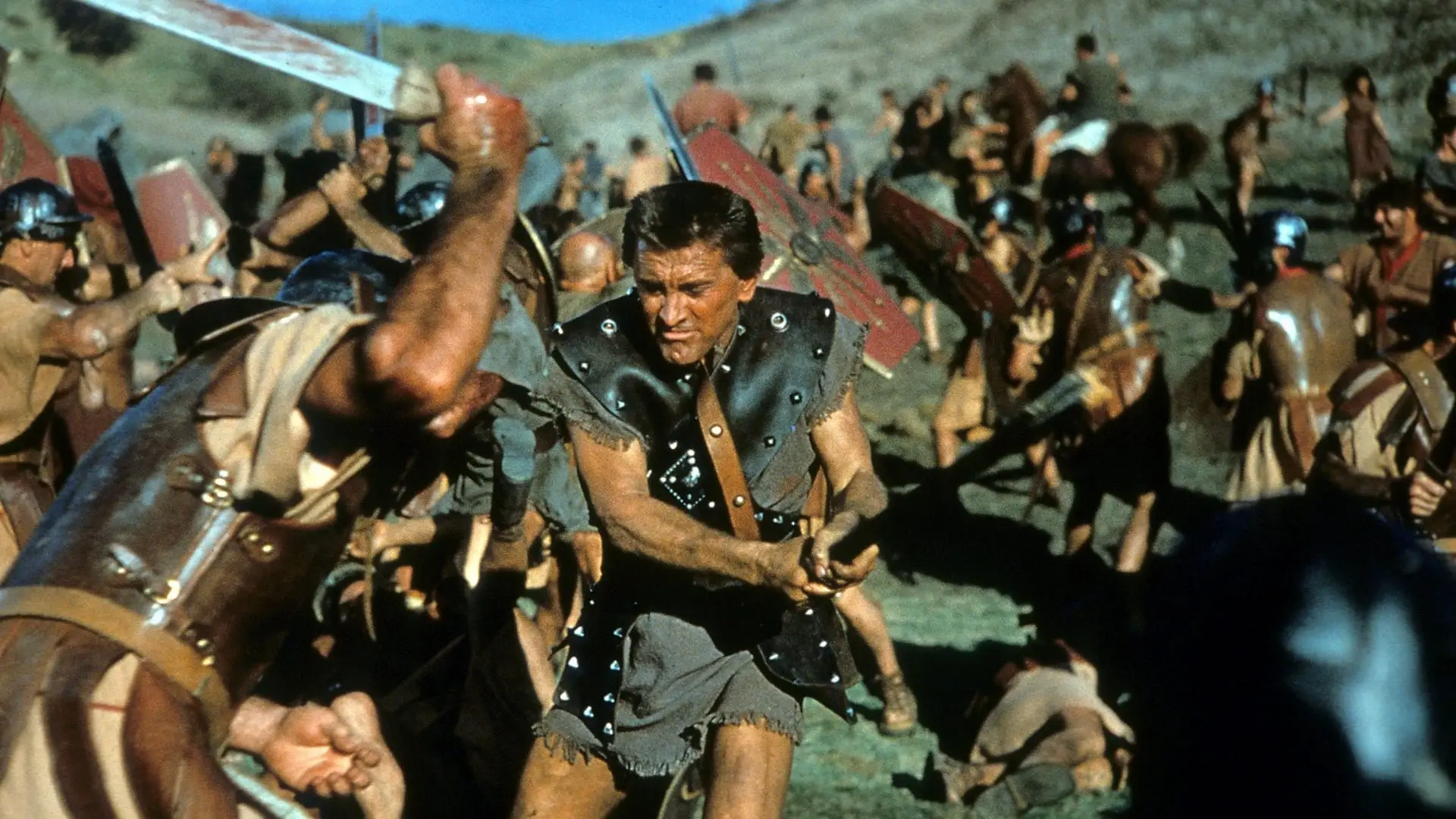
  • Of the 167 days it took Kubrick to film the movie, six weeks were spent staging the large-scale battle scenes, in which 8,500 extras recreated the battles between Roman troops and Spartacus' army.
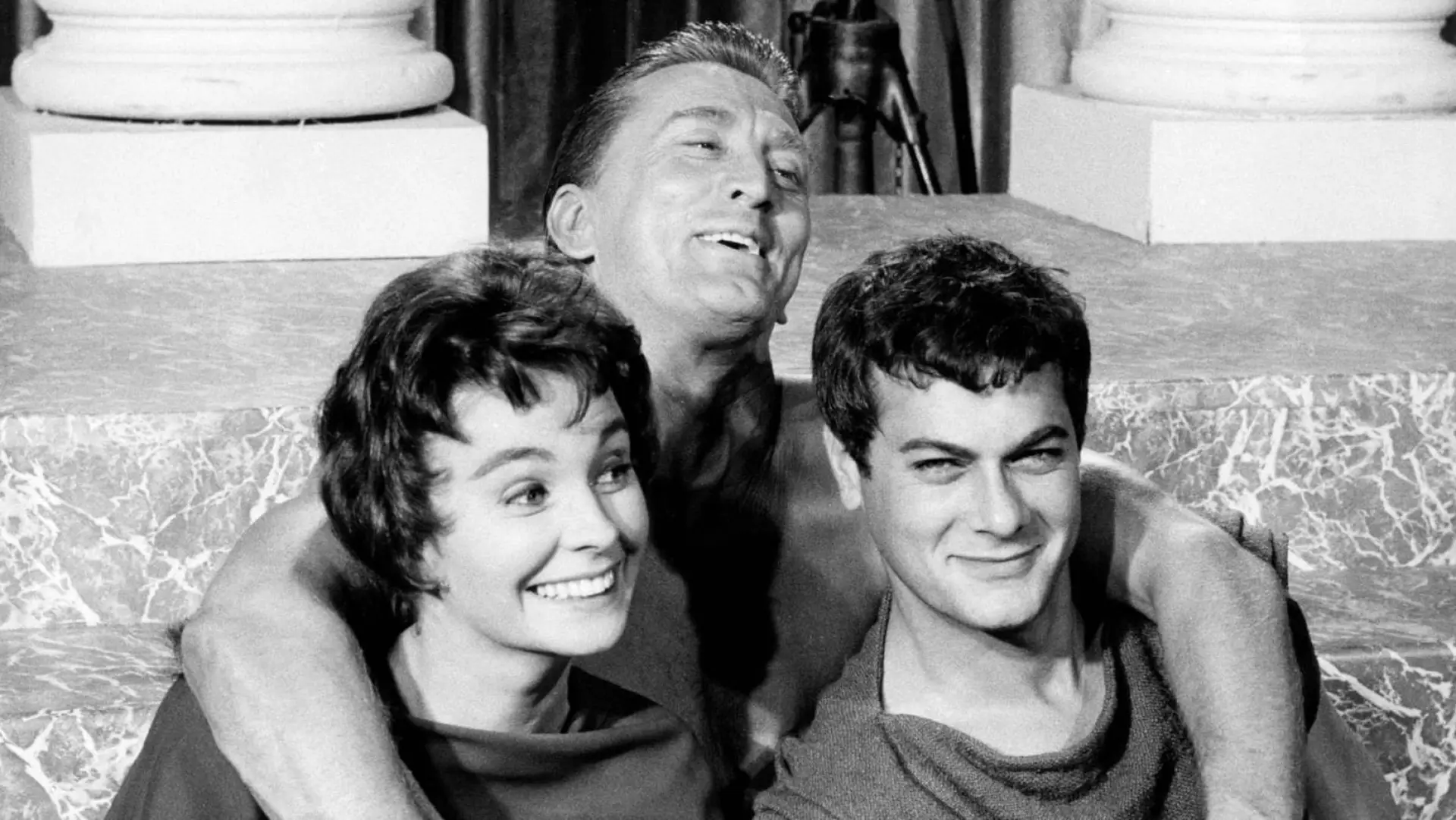
  • Ingrid Bergman, Jeanne Moreau, Elsa Martinelli, and Jean Simmons all declined the role of Varinia. Sabina Betmann was originally cast to play her, but when Kubrick joined the project, he fired her and re-invited Simmons, who this time accepted his offer.
  • Screenwriter Dalton Trumbo wanted the role of the pirate to be given to Orson Welles. However, Herbert Lom ultimately played the part.
  • To attract stars to supporting roles, Kirk Douglas gave them different versions of the script in which their characters appeared in the most favorable light.
  • Rumor has it that Tony Curtis, tired of the long and exhausting filming, asked Jean Simmons: "Who do I have to sleep with to get off this picture?" To which Simmons replied: "Let me know when you find out."
  • Operator Russell Metty left the set, complaining that Kubrick wasn't letting him work. When Metty finally returned to the set, Kubrick continued to put pressure on him and even took over a large part of the cinematography. Metty was very unhappy about this and even wanted his name removed from the credits.
  • In the film, Spartacus was a slave from birth. In reality, he served in auxiliary troops of the Roman army, deserted, but was captured and sold into slavery. Stanley Kubrick was aware of this, but he considered such a plot twist insufficiently heroic.
  • In reality, Crassus was not eager to pursue Spartacus's army. It is believed that the decisive battle began with the slaves attempting to lure the Romans into a trap. Furthermore, Crassus essentially won the battle alone – Pompey's role was limited to destroying 5,000 slaves who had fled the battlefield.
  • The events of the scene 'I am Spartacus!', as well as all subsequent ones, are a fiction of the screenwriters and have no historical basis: most sources agree that Spartacus died in battle.
  • The film was re-released in Soviet distribution in 1984, and was seen by 28.2 million viewers per run with a print run of 1171 copies. The total number of tickets sold for 'Spartacus' in the USSR amounted to (including both runs) 178.4 million. Even at an average price of around 30 kopecks, the film’s box office takings in Soviet distribution could have amounted to 53.5 million rubles, which at the then-official exchange rate would have been equivalent to $86.3 million.
  • The film ranked 5th in terms of attendance among foreign films in the first week of its release in the Soviet Union.
  • With a budget of $12 million, the film became Universal's most expensive project in 1960.
  • In late 1957, Edward Lewis, Kirk Douglas's partner in the Bryna production company, suggested he acquire the rights to adapt Howard Fast's book. Kirk was interested in the book but didn't attach much importance to it and delayed buying the rights. Douglas already had successful experience with historical themes at United Artists in the film 'The Vikings,' but he wasn't planning on returning to that genre at the time. The situation changed when, in early 1958, Douglas learned about MGM's new high-budget project 'Ben-Hur.' Douglas, believing he was well-suited for the lead role, began 'lobbying' William Wyler. Wyler, in turn, offered Douglas the supporting role of Messala instead of Ben-Hur. Kirk refused and conceived a counter-project of commensurate scale, returning to the shelved idea. He acquired an option to adapt Fast's novel at his own expense. Then, the actor began negotiations with United Artists about filming a picture dedicated to the gladiator revolt.
  • Arthur Krim, head of United Artists, refused to take the film into production. The company had already announced a film with the working title 'Gladiators,' based on the eponymous book by Arthur Koestler. Martin Ritt was to direct the project, Abraham Polonsky was to write the screenplay, and Yul Brynner had agreed to play the lead role. The cover of one issue of Variety magazine featured a photograph of Brynner in a gladiator costume. Douglas proposed merging the two projects into one, but Brynner rejected the offer. Furthermore, United Artists owned the copyrights to the titles 'Gladiators' and 'Spartacus.' Nevertheless, Douglas decided that his competitors were bluffing and he should bring his own idea to the highest possible level of readiness. Douglas learned from sources that the 'Gladiators' team was planning to shoot entirely in Europe, meaning they wouldn't start until spring 1959. He proposed shooting 'Spartacus' entirely in the US and starting immediately – in January 1959.
  • Kirk Douglas initially chose the book's author as the screenwriter. Howard Fast had no experience in developing screenplays. Fast's 102-page screenplay draft was disliked by everyone. After reading the first 60 pages, Douglas called them a 'disaster': the characters were stilted, and the plot was too 'conversational.' In general, the narrative was less about Spartacus and more about the revolt. However, this draft, for lack of a better option, was the one Douglas brought to his competitors at United Artists – to Universal Studios. The meeting took place on May 27, 1958. Ed Mul, head of Universal's production department, showed restrained interest after reviewing the manuscript, but overall, the idea was well-received. Studio representatives agreed to the proposal and recommended revising the screenplay. The option on the novel was expiring; a decision was needed immediately. Douglas turned to Dalton Trumbo.
  • Kirk Douglas turned to Dalton Trumbo for help with the screenplay. Bryna Productions had a long-term contract with Trumbo, and 'Spartacus' was one of their many collaborations. Producers consistently faced difficulties in paying the fee to the 'shadow' employee. Part of the deal was a promise to include Trumbo's name in the film's credits, which would benefit both the studio and the worker through legalization. In March 1958, Bryna specifically hired a PR specialist to gauge public opinion in case Dalton's name appeared in the credits.
  • The bulk of the script work took place between July and December 1958. During this time, Trumbo, writing under the pseudonym 'Sam Jackson,' prepared three versions of the script one after another, the last of which satisfied the producers to such an extent that filming plans could already be made. Meanwhile, in late 1959, at a hearing of the House Un-American Activities Committee (HUAC), the issue was raised of why a writer convicted by the committee continued to actively collaborate with Universal, and studio representatives had to explain themselves on this matter.
  • In October 1958, a meeting between United Artists and Universal included a discussion of further actions for the two studios. Universal executive Milton Rackmill unexpectedly told Douglas that the company would begin work on 'Spartacus' in January of the following year (1959). Representatives of United Artists responded with laughter. During a break in negotiations, Douglas approached Arthur Krim, a representative of United Artists, and offered to settle the matter amicably. 'We have a long history together, and there will be many more films,' he said. On October 27, 1958, United Artists conceded defeat on the 'Gladiators' project, stating that it had no claims against the competition. This was largely due to the efforts of Kirk Douglas's agent, Leo Wasserman, a representative of the talent agency MCA Inc. The names of Laurence Olivier, Charles Laughton, and Peter Ustinov, who had established themselves specifically in peplum films, spoke for themselves. Negotiations with British actors regarding the terms of their participation took place in London in July 1958. 'Spartacus' was included in Universal's plans for the following year.
  • Kirk Douglas considered Joseph Mankiewicz and Stanley Kubrick as director candidates. But the studio insisted on its own choice of director. Anthony Mann was selected, who had a reputation as a commercially successful director but was primarily known for Westerns. Douglas agreed only because the production schedule was already three months behind and it was important to start immediately. He believed that Mann would find it difficult to portray the tragedy of an individual in a high-budget peplum with battle scenes.
  • Casting began as early as summer 1958. When choosing actors, Douglas focused on the most famous and followed a tried-and-true principle: slaves – American actors, Romans – British performers. Douglas immediately cast himself in the leading role.
  • Laurence Olivier and Charles Laughton demanded script revisions as they were dissatisfied with the text. Furthermore, the stars suspected they had been sent different versions of the script. As a result, during production, Douglas had to deal with Olivier, Laughton, and Ustinov engaging in intrigues reminiscent of Roman senators. Suspecting each other of foul play, they attempted to secure larger roles and more substantial screen time. Ustinov wrote in his autobiographical book: «As in the Balkans in days gone by, the same intrigues.»
  • There was no role for Tony Curtis in the original script, but the actor, through persistence, convinced the producer of its necessity. The role of the slave Antoninus was written «for him» and added to the script.
  • Production of the film began on January 27, 1959.
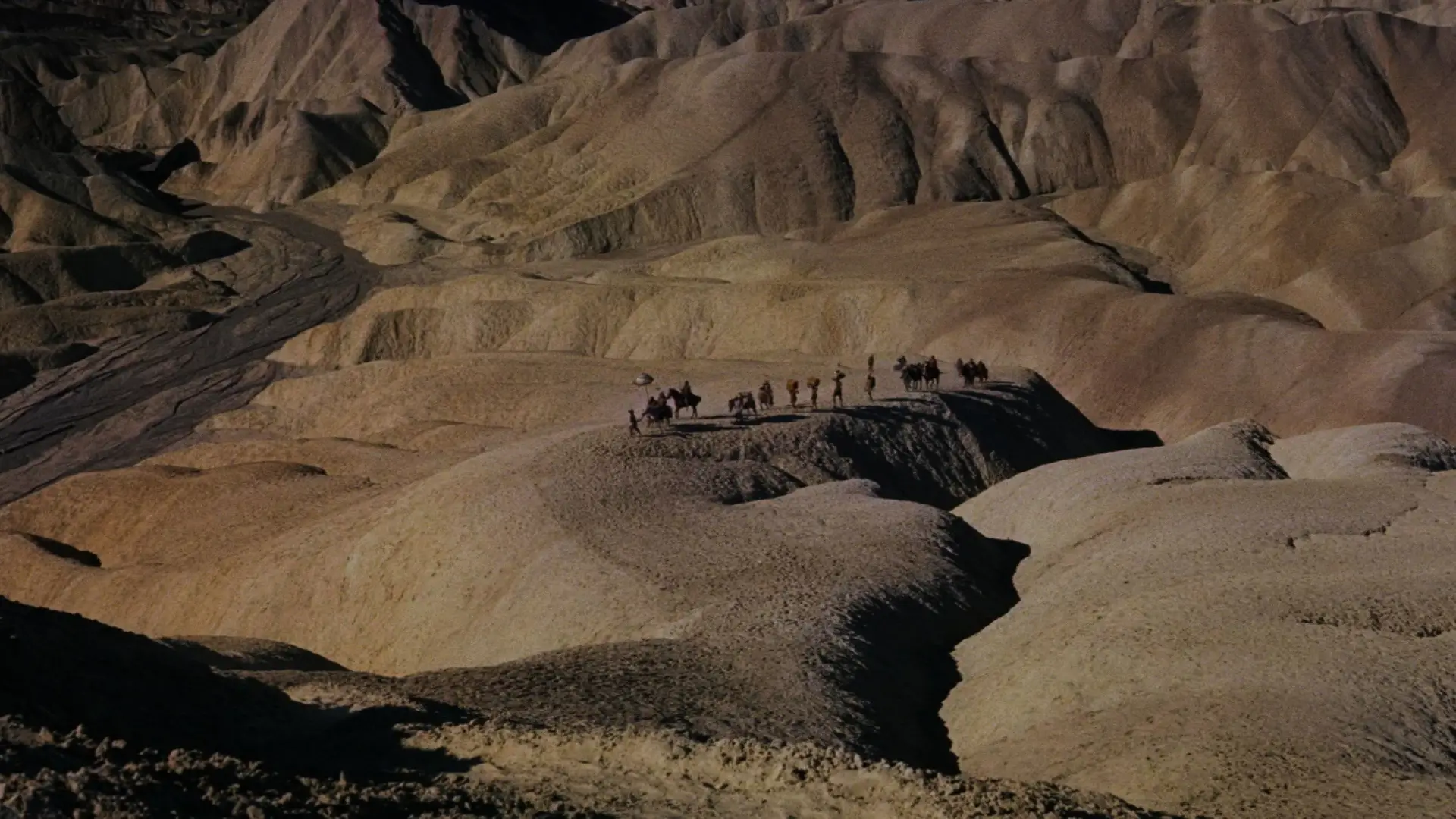
  • The film's sets were mainly constructed on land owned by Universal in the vicinity of Los Angeles, where the studio had approximately 422 acres. Some location shooting took place in the Death Valley area. The country residence of media magnate William Randolph Hearst, built in an antique style, was used as Crassus' villa.
  • Two weeks after filming began, Douglas returned to the issue of the director’s choice and raised the matter in negotiations with the studio. According to one account, Anthony Mann found it difficult to work with the brilliant British cast. He excessively favored Peter Ustinov, agreeing with his opinions where he shouldn't have, which had a corrosive effect on the team. Douglas himself found it challenging to work alongside Laurence Olivier. Kirk lacked such a solid acting background, relying more on intuitive understanding of the craft and his physical attributes. He needed someone else in the director's chair. Another source of contention was the disagreement between the producer and director regarding the romantic relationship between Spartacus and Varinia, which they believed should play a key role in the film, a view Mann did not share.
  • After Mann’s departure, Kirk Douglas again proposed Kubrick as a candidate, with whom he had successfully collaborated on “Paths of Glory,” calling him “the future Eisenstein” and simultaneously “a talented piece of shit.” This time, all the leading actors sided with Douglas, and the studio was forced to agree with the collective opinion. Kirk and Stanley were close acquaintances and often played poker together. During one game, Kirk offered him the position of director for a fee of five thousand dollars a week. Kubrick received a total of $155,000 for the film (twice as much as Mann). Stanley agreed, even without reading the script. The 30-year-old director and his production company, Harris-Kubrick, were looking for work at the time.
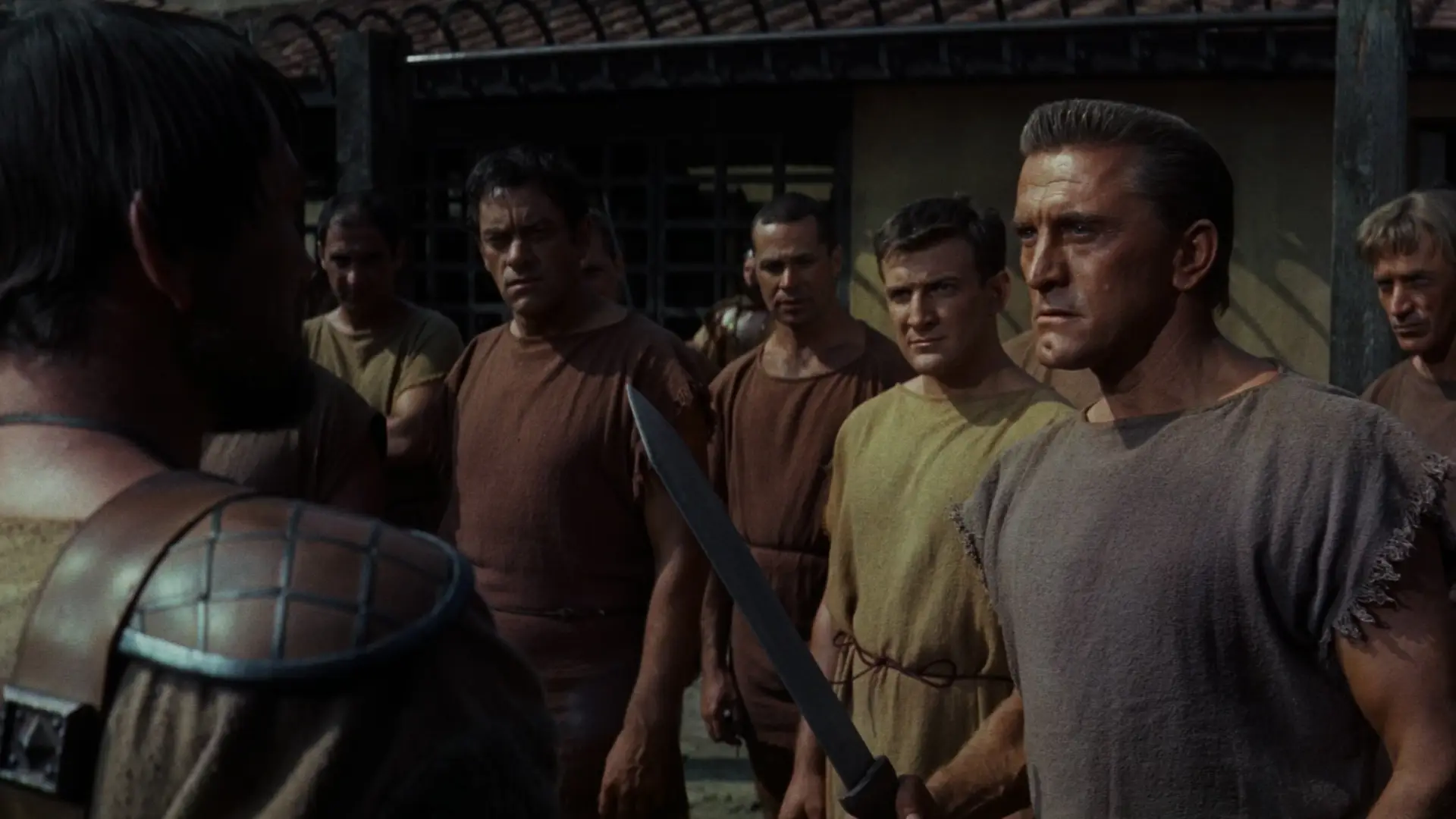
  • On February 13, 1959, Anthony Mann received his final payment. Filming was not delayed by a single day. On February 14, Douglas, using the sets of the gladiatorial school training arena, introduced the team to its new director. Kirk understood that in Stanley Kubrick, he was getting a talented director, but with ambitions and self-importance commensurate with his abilities. After becoming more familiar with the script and the state of affairs with “Spartacus,” Stanley did not express optimism. As he later recalled, “the film had everything except a good story.” Universal Studio and Douglas, as executive producer, found themselves in a difficult position. A major project based on a “Marxist” work was headed by a 30-year-old, little-known director and screenwriter from the “blacklist.” Kubrick also found himself in a controversial situation. On the one hand, he was put in charge of production of one of the most expensive films in cinema history, but on the other, he was in the position of a studio director and was limited in many decisions. He had no opportunity to change the script or the concept. Douglas attributed his dissatisfaction to the forced change of director, which never benefits a film, but “the ship had already sailed,” and there was no turning back.
  • The first thing Kubrick did as director was to dismiss Sabina Betmann. In his usual peremptory manner, he summoned the German actress and told her that he doubted her acting abilities. Kubrick asked the actress to improvise, portraying a strong emotion, but Sabina was taken aback and was fired. Kubrick invited British actress Jean Simmons to the film.
  • Stanley Kubrick demanded that the script be revised and shortened, as it initially consisted of about 1600 pages. The final, fourth draft was written for Stanley Kubrick after he took the director’s chair; however, even this version caused serious disagreements.
  • The film and the script became the subject of a clash between three different approaches and visions of “Spartacus.” Universal representative Ed Mul saw the film created without grandeur, intimate, “chamber-like” and as close as possible to real facts, with a budget of about $3-4 million. Mul said: “It’s very nice to see deep ideas in a film, but what’s really important is the audience’s opinion.” Kirk Douglas was also believed to adhere to the studio’s point of view. Dalton Trumbo invested a left-wing political subtext in the script and tried to convey a message to the audience. Kubrick saw the film as spectacular and visually perceived. He was also concerned with the theme of the moral decay of the Roman Republic, which was undermining it from within. Douglas and Trumbo understood that a film that was too politicized might not be of interest to the public. If it did not recoup the largest studio budget in history at the box office, the consequences for them would be unpleasant.
  • From the very beginning of working on the script, Trumbo never stopped trying to preserve his understanding and vision of Spartacus. The working draft of the script (December 1958) contained not a single battle scene, including the final one. The audience only saw the consequences of the battles, presented figuratively and surrealistically, for example, helmets floating down the river, blood in the water, and numerous bodies left on the battlefield. Trumbo concentrated on developing scenes taking place in Rome, as they involved expensive British actors who needed to be filmed first. Scenes with slave battles were added to the script only after its revisions during production.
  • The final version of the film's script was created through a collaborative effort. As Trumbo noted, his contribution to the script in the final version of the film was about 50%. As a result of the script revisions by the director, all of the main character's lines were removed from the first 30 minutes of the film.
  • Douglas believed that Kubrick would be grateful to him for the opportunity he had given him, but the director rarely compromised, striving to defend his opinion wherever possible. The studio and the producer were dissatisfied with the pace of production. Kubrick was happy with shooting only two scenes a day, while the studio demanded a much faster tempo. He behaved rather arrogantly and imperiously. Behind his back, the actors called the head of production Stanley Hubris («Haughty Stanley»). With his usual perfectionism, the director interfered with the work of the cinematographer in details that were usually left to the specialists. Stanley had his own understanding of how the camera should move and how the lighting should be set. He demanded more close-ups of the actors’ faces, a moving camera following them. Kubrick, engrossed and not paying attention to his appearance, worked for several days without changing his clothes. Douglas, unable to bear it anymore, rode up to him on horseback (he was filming a scene on horseback) and told him that he needed to buy new clothes.
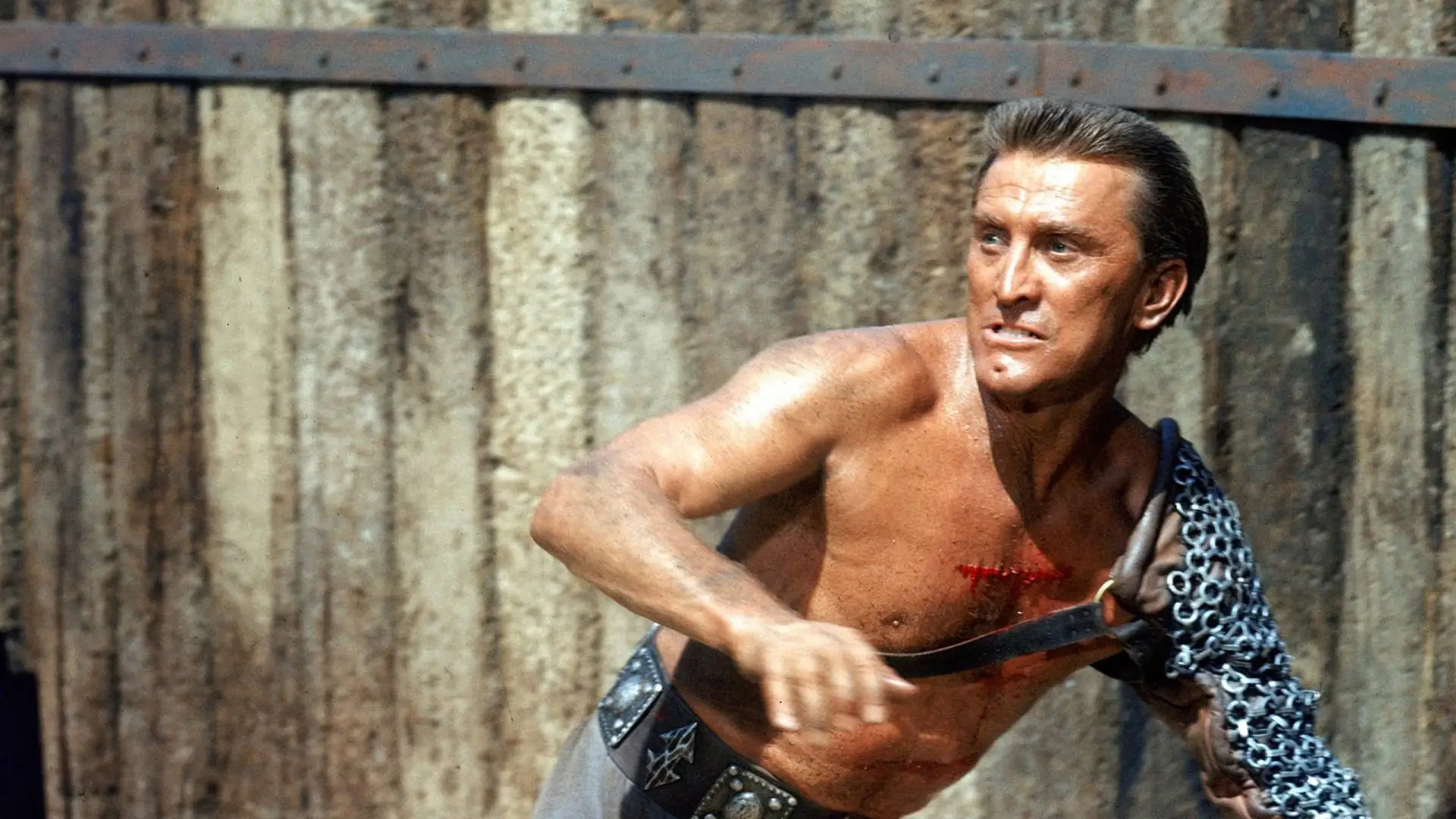
  • Douglas was considered a rather difficult person to deal with in Hollywood and, according to Charles McGraw, sometimes lost control of himself. The filming of the picture was not without injuries. In one of the episodes of the revolt in Batiatus’ school, Spartacus took lanista Marcellus (McGraw) in a double nelson and lowered his opponent’s head into a pot of soup. Due to carelessness, Douglas broke Charles McGraw’s jaw. The injured actor, nevertheless, bravely finished the take to the end. In another episode, during a fight with wooden swords, Douglas broke a stuntman’s rib. The scene of Spartacus’ crucifixion was quite difficult for the team and required many takes. When Douglas discovered during test screenings that the scene had been significantly cut during editing, he caused a scandal. Grabbing the assistant director Bob Lawrence by the lapels, he began to shout: «Do you know how long I had to hang on that damned cross!? And now it’s all cut out? You’re fired!». The enraged actor tore Lawrence’s shirt, and he was barely pulled away by producer Edward Lewis.
  • During the production of the film, Jean Simmons was out of work for a month – she needed emergency surgery due to gynecological problems. Curtis, after suffering a leg injury while playing tennis, spent a significant amount of time in a cast. These and other illnesses delayed the work on the film by more than a month, which worried Douglas, who tried to save money in every way possible.
  • Filming of the picture was completed on August 1, 1959. A preliminary screening of the technical assembly copy took place at the studio on September 14. Only Kubrick was satisfied with the results. Everyone else was dissatisfied, especially Trumbo. According to eyewitnesses, he was furious with what he saw. Screenwriters usually do not interfere with the production process, and it was especially difficult for Trumbo to do so, but he did not refrain from it. Over the next three days, Trumbo wrote an 80-page memorandum detailing and critically analyzing the film's materials.
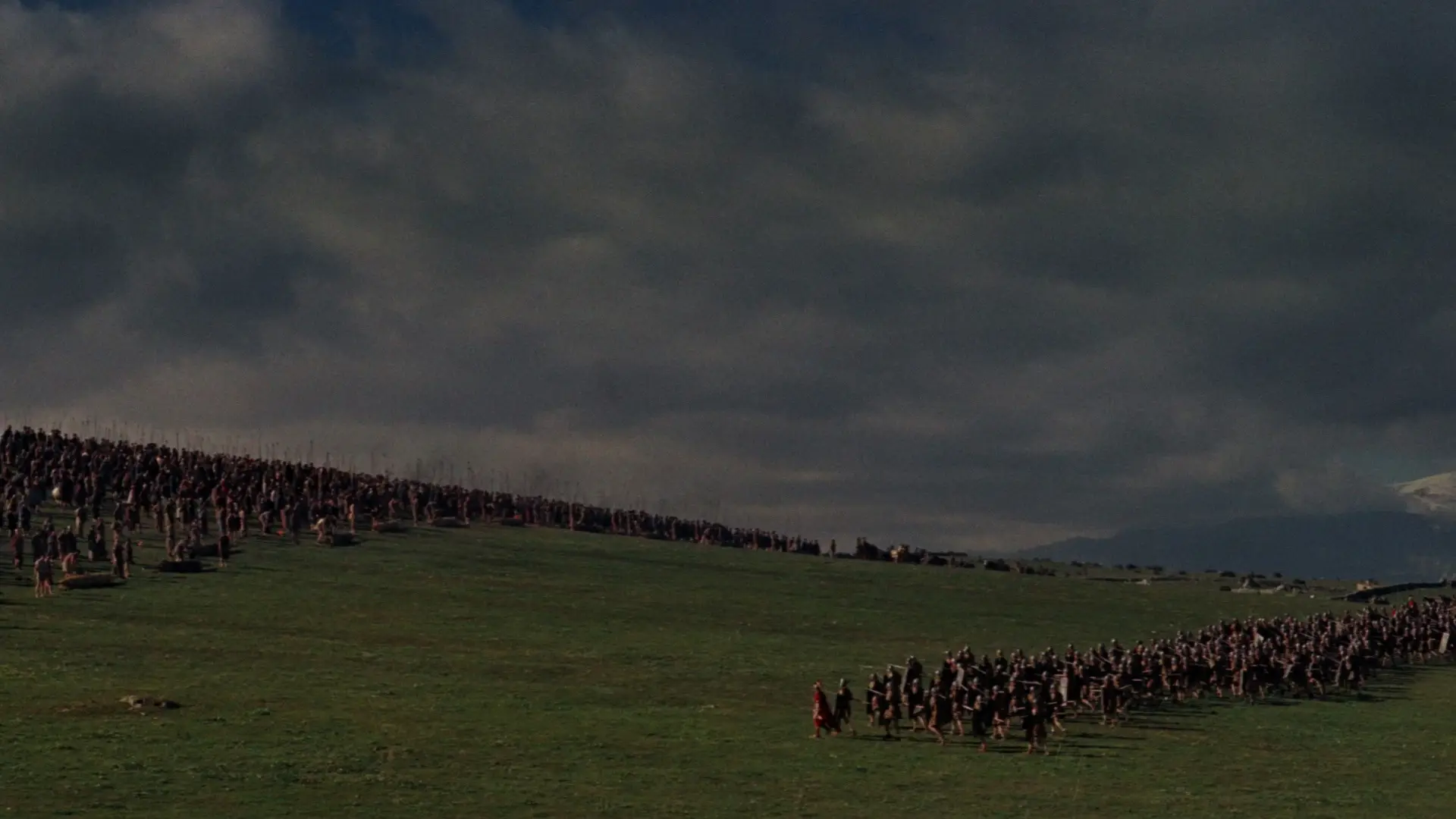
  • Following Dalton Trumbo’s dissatisfaction with the film’s assembly copy, Kirk Douglas and Edward Lewis acknowledged the criticism as valid and supported the screenwriter. The studio allocated another half a million dollars for improvements and agreed to continue filming. To save money, Douglas suggested moving the battle scenes to Europe. The studio insisted on keeping all production in the USA. Eventually, they reached an agreement to move part of the production to Spain. In October, the film crew spent about 20 days in the vicinity of Madrid. The dictator Franco himself participated in negotiations regarding the involvement of Spanish army soldiers as extras. 8,000 soldiers portrayed Roman legions and a gladiatorial army. Three towers approximately one hundred feet (30 meters) high were built to mount cameras at a high vantage point and capture the formations of the Roman army in detail from a distance of about 800 meters. Clifford Styne worked as the cinematographer on this part. The spectacular maneuvers of the Roman cohorts on the battlefield were based on sketches by Sol Bass. According to the artist, he created them under the influence of battle scenes from 'Alexander Nevsky'. The skill of the filming made such an impression on the studio representatives and the entire film crew that talk behind the young director’s back ceased after the Spanish part of the film.
  • Dalton Trumbo tried to convince the studio to add more scenes of battles with slave victories, but failed. Studio representatives cited the film’s budget overruns. Douglas attempted to implement a compromise idea of showing an animated map demonstrating the sequence of battles and the scale of the rebels' victories. Sol Bass prepared several sketches of the map. They were even planned to be inserted into the film, but they stylistically clashed with the visual range.
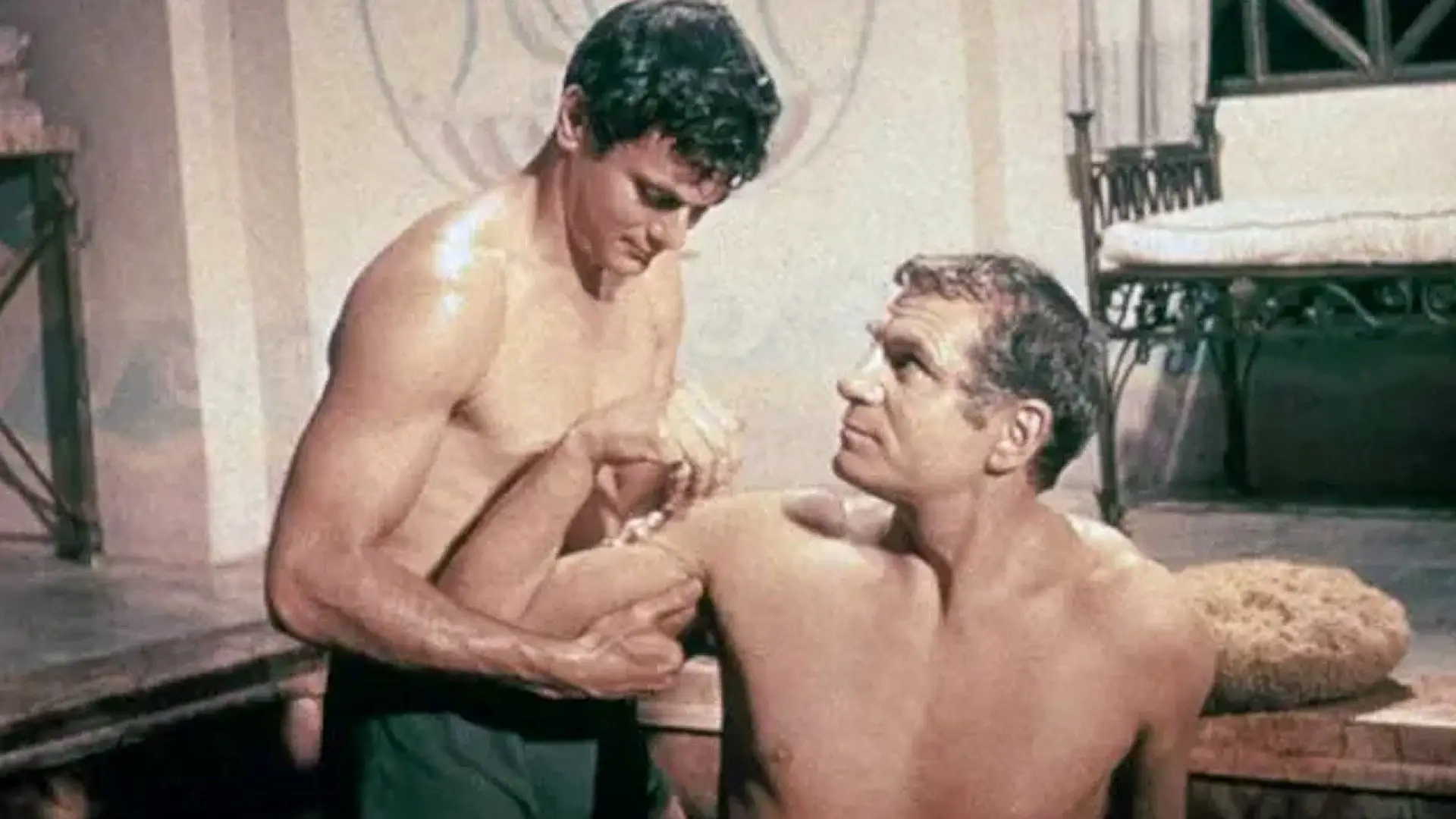
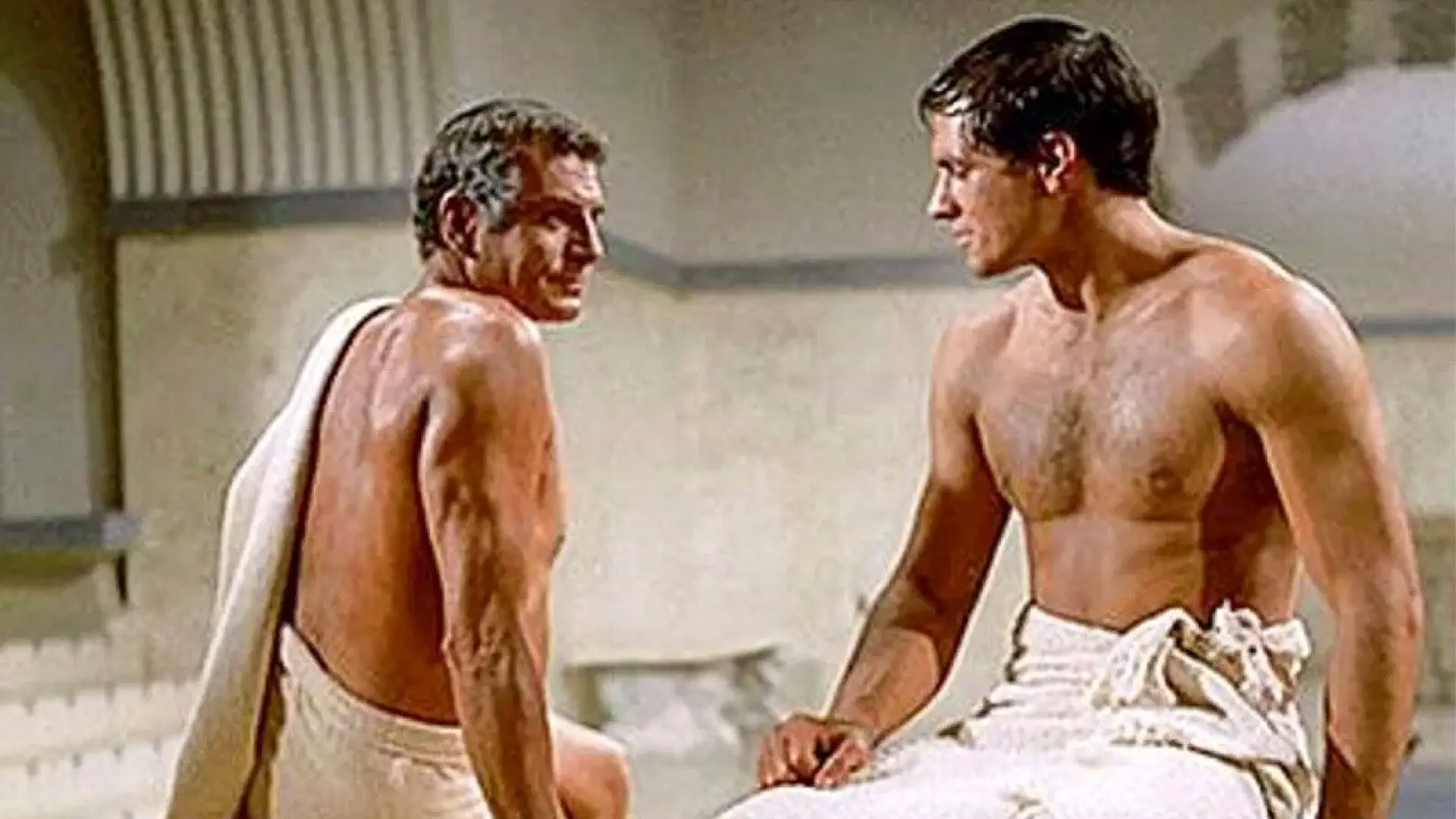
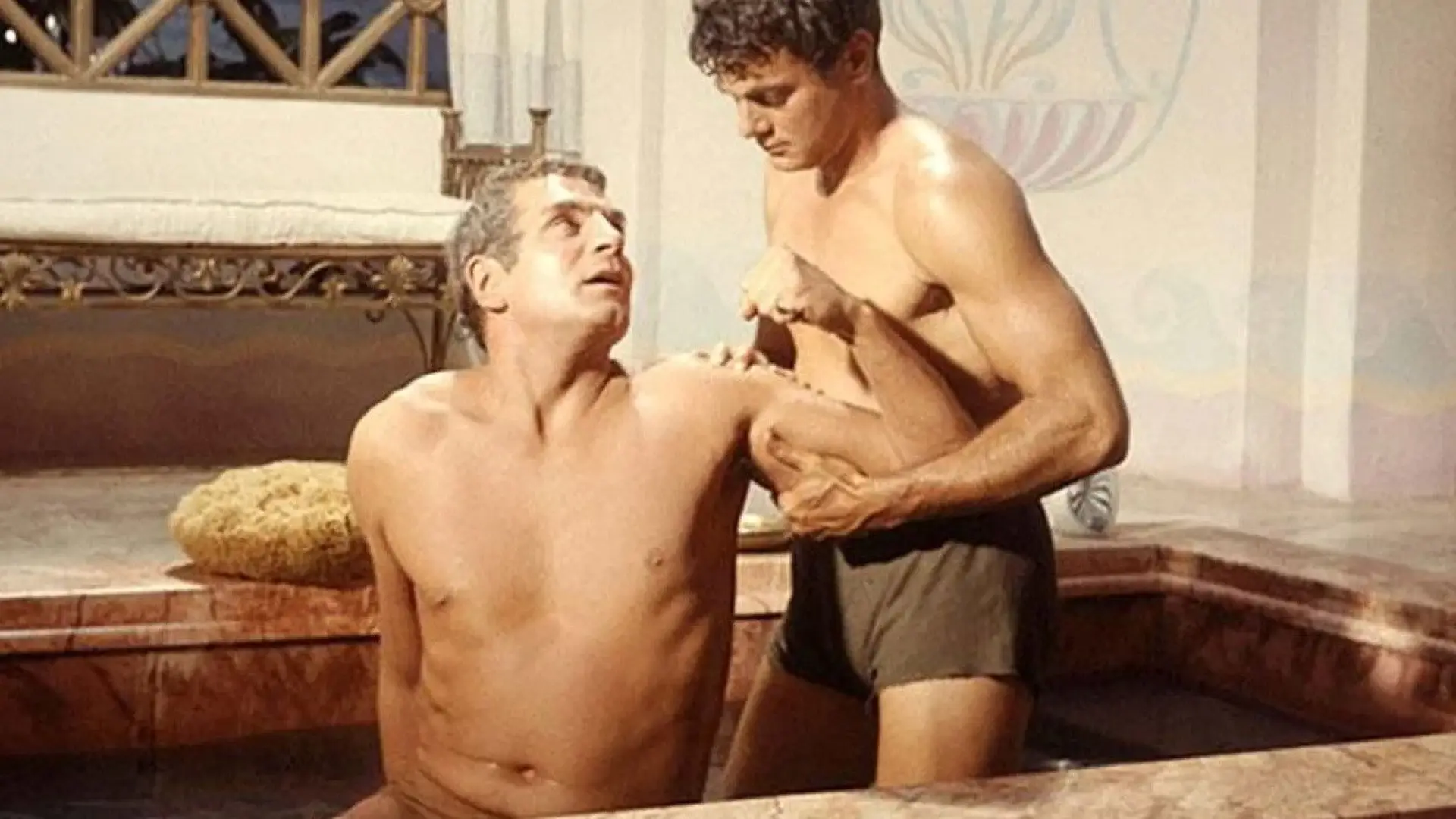
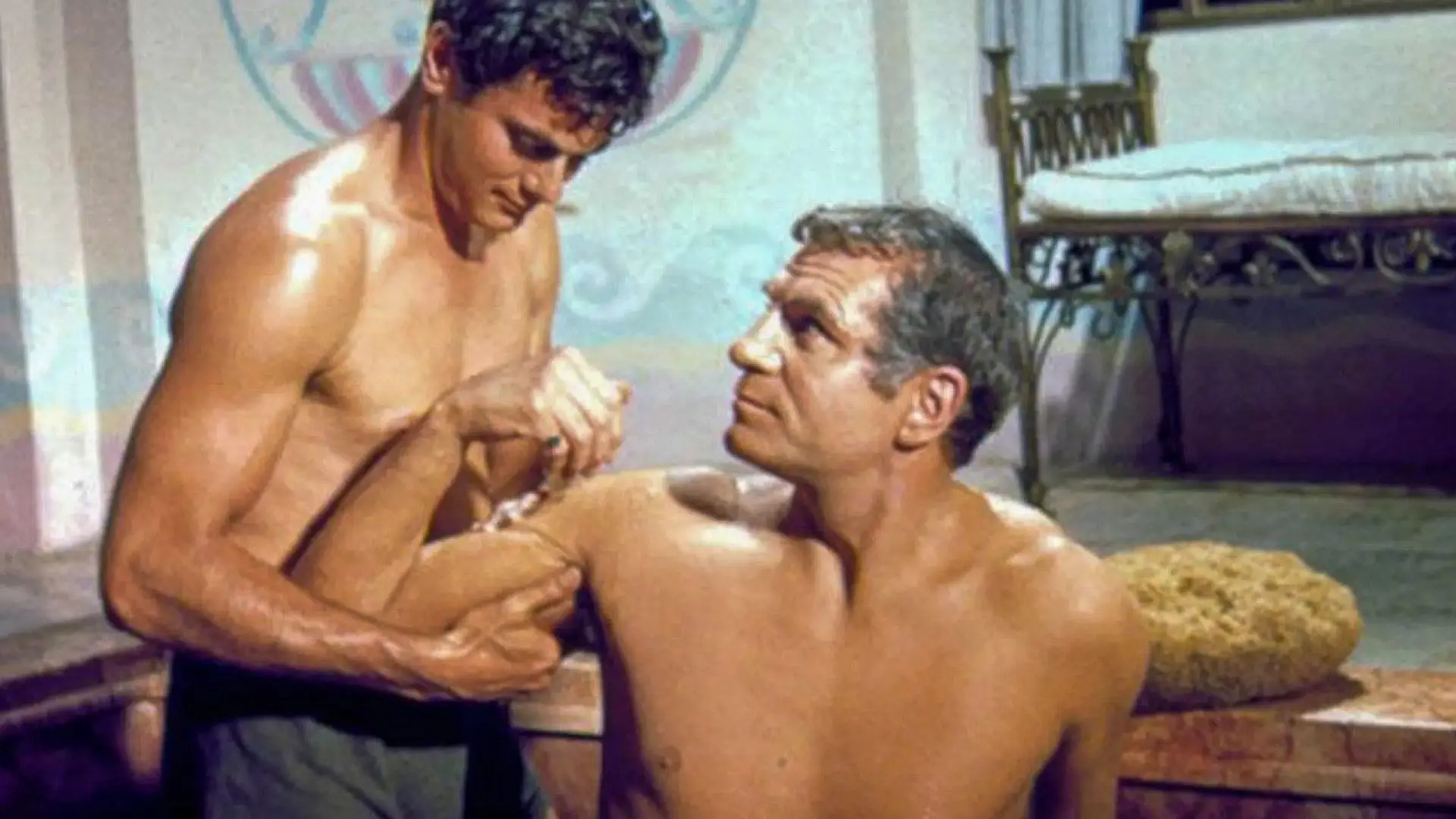
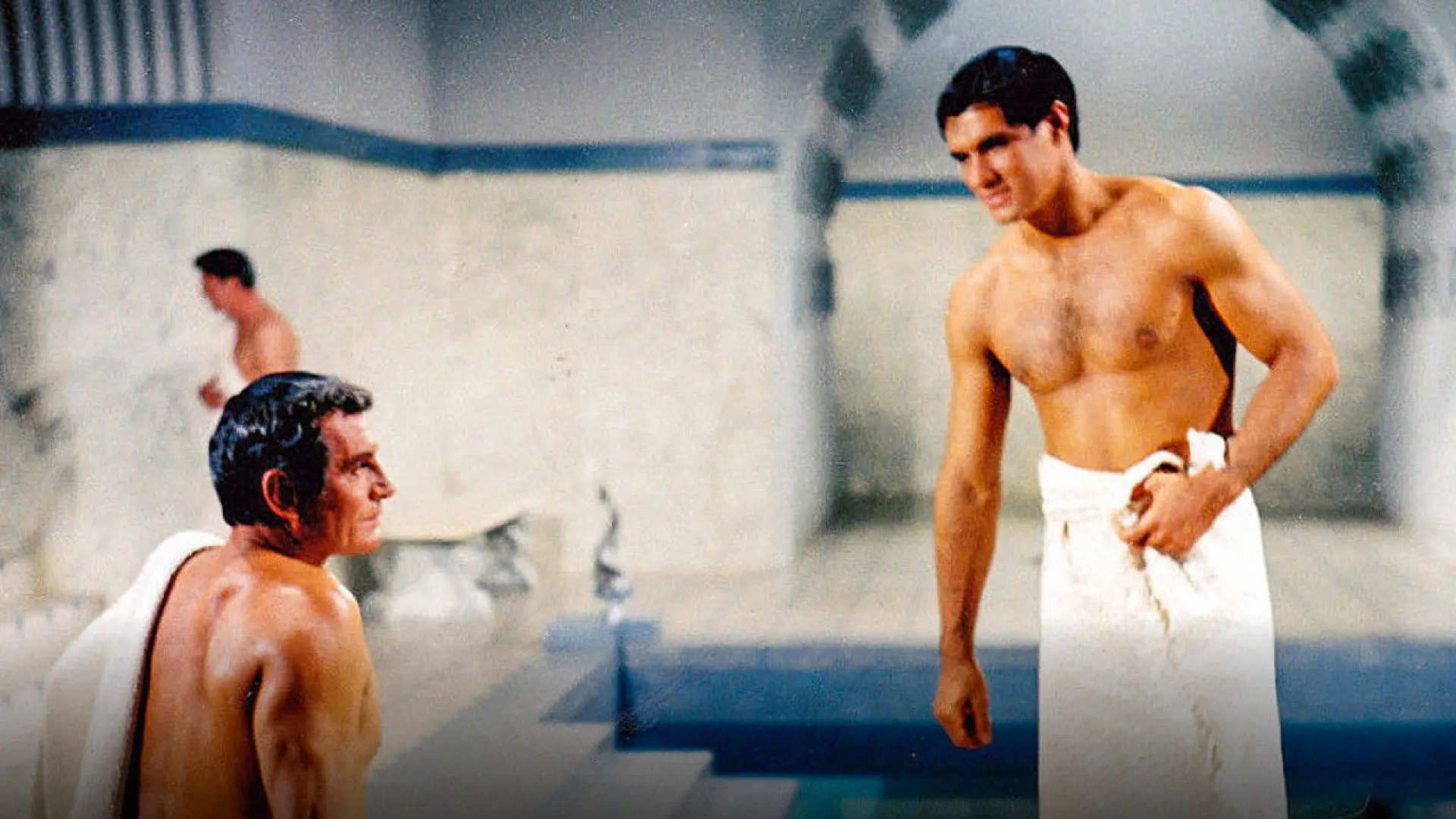
  • The picture underwent final changes immediately before its release. MPAA representative Geoffrey Shurlock made several censorship-related comments. He demanded the shortening of the crucifixion scene, as he believed it excessively dwelled on the protagonist’s suffering. He disapproved of the scene in which Gracchus and Caesar visit the Roman slums. The MPAA representative demanded the reworking of scenes with Jane Simmons nude. He also found ambiguity in Spartacus’s phrase, “I have never had a woman,” which he also asked to be changed. Kubrick cut these scenes. However, the main loss for the film was the ambiguous “homoerotic” scene involving Crassus and Antoninus. After lengthy proceedings, the scene did not make it into the 1960 release version at all and was only restored in 1991.
  • The film premiered at the De Mille Theatre in New York City on October 6, 1960. Before the release, representatives of the conservative organization American Legion sent approximately 17,000 letters to residents of the country calling for a boycott of the film, which had been created with the involvement of “communists.” After all the changes caused by censorship, the Legion of Decency gave the film an A3 rating (a stricter B rating had initially been assigned), which affected its performance. This rating carried weight with Catholic audiences. John F. Kennedy’s visit to a cinema in November 1960 was of great importance for the film’s distribution fate. The newly elected President of the United States walked through pickets of the American Legion and attended a screening of the film at the Warner Theatre in Washington.
  • The studio was so confident in the commercial success of the film that it pre-set a fixed ticket price for the roadshow circuit, which had only been done once before in Universal's history.
  • Far-right Hollywood figures Hedda Hopper and John Wayne influenced the decision not to nominate the film for the “Best Picture” Oscar.
  • Douglas jokingly lamented that working on 'Spartacus' had taken longer than the revolt itself. Production lasted over two years, which was well outside the unwritten standards of the American film industry. Evaluating the film, Trumbo felt ambivalent. He was dissatisfied that not all of his visions were realized in the final cut, although he spoke positively about the film itself and worried that the scandal surrounding his name and credits would hurt box office performance. The final cut is considered to have aligned with the studio's and executive producer's (Douglas's) views. Bryna Productions and Kirk Douglas continued to collaborate with Trumbo after 'Spartacus,' jointly creating a number of films. Charles Lawton was dissatisfied with the editing, changes to his scenes, and threatened legal action.
  • 'Spartacus' is the only work by Kubrick where he was a hired studio director. Some scholars of his work even do not include 'Spartacus' among his auteur films.
  • Stanley Kubrick stated about the film: “'Spartacus' is the only film I haven’t controlled and which, I think, was weakened by that. It happened because of the necessity of making thousands of decisions, and if you don’t make them yourself, if you’re not on the same wavelength as the people who are making them, (the process) becomes very painful, as it was. Obviously, I directed the actors, laid out the shooting scenes, and edited the film, so, limited by the weakness of the story, I tried to do as much as possible… The only (my) film that I dislike is 'Spartacus.'”
  • Following ‘Spartacus,’ remembering all the censorship problems he had endured, Kubrick moved to England and subsequently worked primarily overseas. The transition from ‘Spartacus’ to ‘Lolita’ is considered one of the most unorthodox in the history of directing, so different are these two films. It is believed that this unexpected turn to Nabokov’s scandalous and ‘unfilmable’ prose was a kind of challenge to the Hollywood system and to everything that remained unrealized in ‘Spartacus.’
  • A recurring theme favored by Kubrick in many of his films was chess. In the film, it can be seen in the form of black and white tiles on the floor in the Roman senate, where complex political combinations are played out. Also, the rehearsed realignment of cohorts of the Roman army into a chess-like formation on the battlefield of the decisive battle with the rebels.
  • The invitation to write music for ‘Spartacus’ found Alex North in France. The usual time to work on a soundtrack in Hollywood is about 10 weeks, including arrangement and orchestration. The composer was given about 13 months. North had the opportunity to turn to sources and gain a clearer understanding of ancient, Roman music. North also acknowledged the great influence that Prokofiev’s music from ‘Alexander Nevsky’ had on him. The length of the soundtrack was about 2 hours. Approximately 70 musical themes were written for the film in total. For the first time in Kubrick’s practice, music was played on set, creating the necessary atmosphere.
  • Evaluating the results of his work, Kubrick said that he did not intend to shoot another ‘costume epic,’ but rather aimed at the most avant-garde viewer. ‘“Alexander Nevsky” by Eisenstein had a greater influence on me than “Ben-Hur” and any film by Cecil B. DeMille,’ the director recalled.
  • In 1967, the film was re-released with a significantly reduced runtime of 162 minutes. This was no longer a matter of censorship, but rather common practice: the film was too long for a re-release with the established schedule of screenings. The film’s length in television broadcasts of that time was approximately the same. In 1991, Universal Studios decided to celebrate the film’s 30th anniversary and discovered that copies of satisfactory quality had not been preserved in the archives. The company’s management decided to restore the film to its original runtime of the 1960 release copy, 197 minutes.
  • In October 1989, Robert Harris began restoring the film. Engineers spent several months searching for surviving working materials of the picture in the studio vaults in Los Angeles. They discovered approximately 2,000 boxes of film, which contained the complete negative. The color negative proved unsuitable for restoration due to the complete degradation of the film quality. However, they were able to find 65mm black-and-white negatives, used as intermediate materials for development. Using a color filter, each copy recorded its color, so that after exposure, a final full-color copy could be printed. Such backup materials are usually not kept by film studios for long, and in the case of 'Spartacus,' they were preserved by chance. The operation also partially used a 35mm copy lasting 182 minutes, provided by a private collector, as well as, in part, a version of the film used for television broadcast. The editor of the restoration, Harris, was unable to find scenes of the rebel battles, as the studio destroyed most of the archival rough footage. It is reliably known that these scenes existed. Several seconds from the battle for Metapontus (Spartacus giving the signal to begin the attack) have survived in the film's trailer. A total of approximately one year of effort was spent on this operation, with a budget of approximately $1 million. The premiere of the restored version took place on April 21, 1991, in New York at the Ziegfeld cinema.
  • The famous scene and phrase “I am Spartacus” was invented by Kirk Douglas and described in a note to the screenwriter, which Kirk sent on May 7, 1959. “I am Spartacus” was to be shouted by thousands of people, and it was not possible to achieve the necessary effect using conventional recording techniques. The sound accompaniment was recorded at the “Spartan” stadium, with the phrase chanted by a choir of 73,000 fans of the local football team.
  • Julius Caesar did not command the Rome garrison, and in principle could not have commanded it, as at the time of the events in the film, there simply was no garrison in Rome.
  • In reality, Spartacus was only one of the leaders of the rebel slaves, and not the sole leader, as shown in the film.
  • As a co-producer of the film, Kirk Douglas managed to insist that Dalton Trumbo, a screenwriter and Peter Brocco, an actor, who were on the “blacklist” at the time, be involved in the work on the picture. Trumbo's name appearing in the credits became the first official recognition of the disgraced writer since 1947 and de facto ended the “blacklist’s” effect.
  • Kubrick was not given control over the script, which he considered “stupid moralizing.” Since then, Kubrick has fully controlled the production of his films.
  • According to rumors, Tony Curtis, tired of the long and exhausting filming, asked Jane Simmons: “Who do I have to sleep with to get off this picture?” To which Simmons replied: “Let me know when you find out.”
  • In late 1957, Edward Lewis, Kirk Douglas’s partner in the Bryna production company, suggested he acquire the rights to adapt Howard Fast’s book. Kirk was interested in the book but did not attach great importance to it and delayed buying the rights. Douglas already had successful experience working with historical themes with United Artists on the film “The Vikings,” but he had no plans to return to it at that moment. The situation changed when, in early 1958, Douglas learned about MGM’s new big-budget project “Ben-Hur.” Douglas, believing he was well-suited for the lead role, began “working on” William Wyler. Wyler, in response, offered Douglas the supporting role of Messala instead of Ben-Hur. Kirk refused and conceived retaliatory actions of a corresponding scale, returning to the postponed idea. He acquired an option to adapt Fast’s novel at his own expense. Then the actor began negotiations with United Artists about filming a picture dedicated to the gladiator uprising.
  • Arthur Krim, head of United Artists, refused to put the picture into production. The company had already announced a film with the working title “Gladiators,” based on the novel of the same name by Arthur Koestler. Martin Ritt was to direct the project, Abraham Polonsky was to write the screenplay, and Yul Brynner had agreed to play the lead role. The cover of one of the issues of Variety magazine at the time featured a photograph of Brynner in a gladiator costume. Douglas proposed merging the two projects into one, but Brynner rejected the offer. Furthermore, United Artists owned the copyrights to the titles “Gladiators” and “Spartacus.” Nevertheless, Douglas decided that his competitors were bluffing and that he should bring his own idea to the greatest possible readiness. Douglas learned from informants that the “Gladiators” team was going to shoot entirely in Europe, which meant they would not start until spring 1959. He proposed filming “Spartacus” entirely in the USA and starting immediately—in January 1959.”
  • Kirk Douglas initially chose the book's author to write the film's screenplay. Howard Fast had no experience in script development. The 102-page draft of Fast's screenplay pleased no one. After reading the first 60 pages, Douglas called them a "disaster": the characters were stilted and the plot was too "conversational." In general, the narrative focused less on Spartacus himself and more on the revolt. However, lacking a better option, Douglas brought this draft to his competitors at United Artists — to Universal Studios. The meeting took place on May 27, 1958. Ed Mul, head of Universal's production department, showed moderate interest upon reviewing the manuscript, but overall, the idea was well-received. The studio representatives agreed to the proposal and recommended revising the script. The option on the novel was expiring; a decision was needed immediately. Douglas turned to Dalton Trumbo.
  • Kirk Douglas approached Dalton Trumbo for help with the screenplay. Bryna had a long-term contract with Trumbo, and "Spartacus" was one of their many collaborations. The producers consistently faced difficulties paying the fee to the "shadow" employee. Part of the deal was a promise to include Trumbo's name in the film's credits, which would help both the studio and the worker by legitimizing the arrangement. In March 1958, Bryna specifically hired a PR specialist to gauge public opinion in case Dalton's name appeared in the credits.
  • The bulk of the screenplay work took place between July and December 1958. During this time, Trumbo, writing under the pseudonym "Sam Jackson," prepared one after another three versions of the script, the last of which satisfied the producers to such an extent that filming plans could already be made. Meanwhile, in late 1959, the House Un-American Activities Committee (HUAC) raised the issue of why a writer convicted by the committee continued to actively collaborate with Universal, and studio representatives had to explain themselves on the matter.
  • In October 1958, a meeting between United Artists and Universal held a discussion about further actions of the two studios. Universal’s executive director Milton Rackmill unexpectedly told Douglas that the company would begin work on the film "Spartacus" in January of the following year (1959). Representatives of United Artists responded to this with laughter. During a break in negotiations, Douglas approached Arthur Krim, a United Artists representative, and offered to resolve everything amicably. "We have a long history together, and there will be many more films," he said. On October 27, 1958, United Artists conceded defeat on the "Gladiators" project, stating that they had no claims against their competitors. This was largely due to the efforts of Kirk Douglas’s agent, Leo Wasserman, a representative of the talent agency MCA Inc. The reputations of Laurence Olivier, Charles Laughton, and Peter Ustinov, all established in peplum films, spoke for themselves. Negotiations with the British actors regarding their participation took place in London in July 1958. “Spartacus” was included in Universal’s plans for the following year.
  • Laurence Olivier and Charles Laughton demanded script revisions, as they were dissatisfied with the text. Furthermore, the stars suspected they had been sent different versions of the script. As a result, during production, Douglas had to deal with Olivier, Laughton, and Ustinov engaging in intrigue in the manner of Roman senators. Suspecting each other of foul play, they tried to secure larger roles and longer lines. Ustinov wrote in his autobiographical book: "As in the Balkans in days gone by, the same intrigues."
  • On February 13, 1959, Anthony Mann received his final payment. Filming was not delayed by a single day. On February 14, Douglas, using the sets of the gladiatorial school's training arena, introduced the team to its new director. Kirk understood that in Stanley Kubrick he was getting a talented director, but with ambitions and vanity commensurate with his abilities. After becoming more familiar with the script and the state of affairs with "Spartacus," Stanley did not express optimism. As he later recalled, "the film had everything except a good story." Universal Studios and Douglas, as executive producer, found themselves in a difficult position. A major project based on a "Marxist" work was headed by a little-known, 30-year-old director and screenwriter from the "blacklist." Kubrick also found himself in a controversial situation. On the one hand, he was put in charge of the production of one of the most expensive films in the history of cinema, but on the other, he found himself in the position of a studio director and was limited in many decisions. He had no opportunity to change the script or concept. Douglas attributed his dissatisfaction to the forced change of director, which never benefits a film, but "the ship had already sailed," and there was no turning back.
Did you like the film?

© ACMODASI, 2010-2026

All rights reserved.
The materials (trademarks, videos, images and text) contained on this site are the property of their respective owners. It is forbidden to use any materials from this site without prior agreement with their owner.
When copying text and graphic materials (videos, images, text, screenshots of pages) from this site, an active link to the site www.acmodasi.in must necessarily accompany such material.
We are not responsible for any information posted on this site by third parties.