Paths of Glory - videos, teasers and stills from filming
All videos, teasers and footage from the filming of the film "Paths of Glory"
Paths of Glory (1957)
Timing:
1:28 (88 min)

8.254/10
3271
3271

8.096/10
18030
18030

8.4/10
208064
208064
![Watch film Paths of Glory | Paths of Glory (1957) Original Trailer [FHD]](https://www.acmodasi.in/amdb/images/movie/w300/a/u/TakkeORVeuJ4.webp)
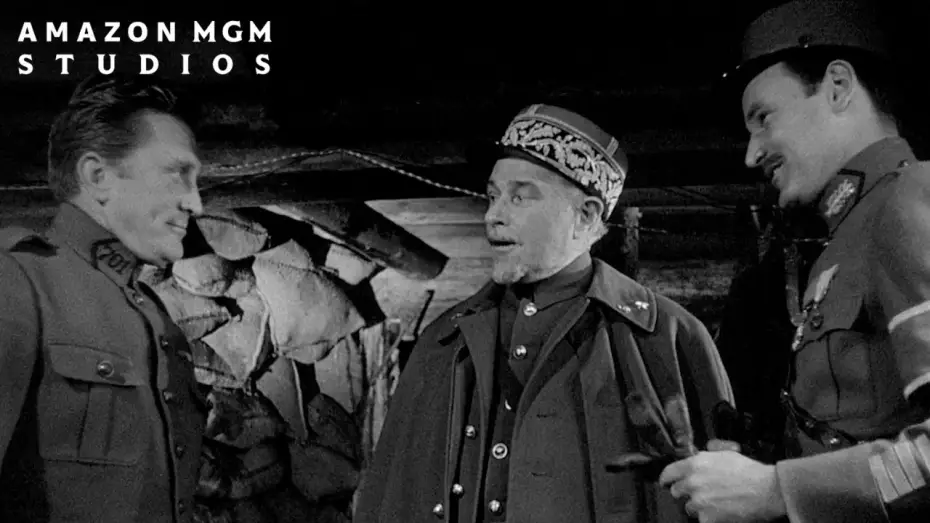
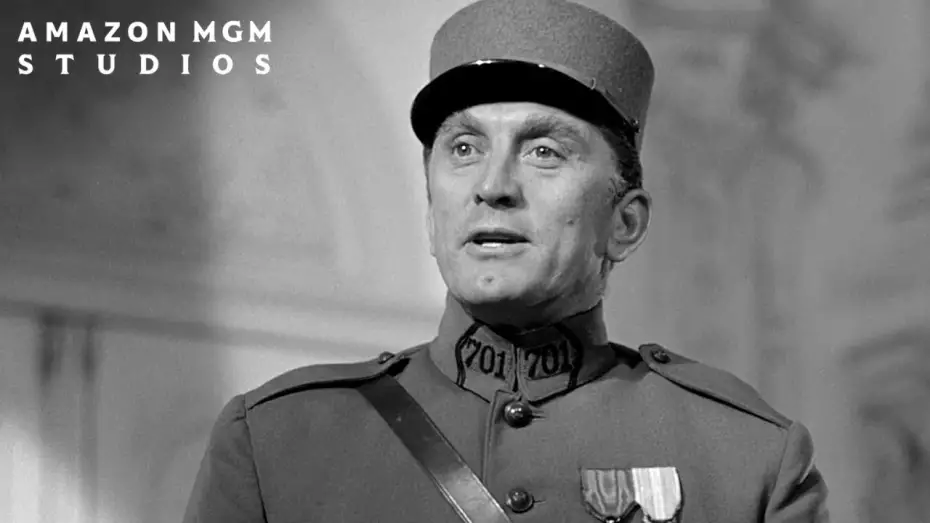
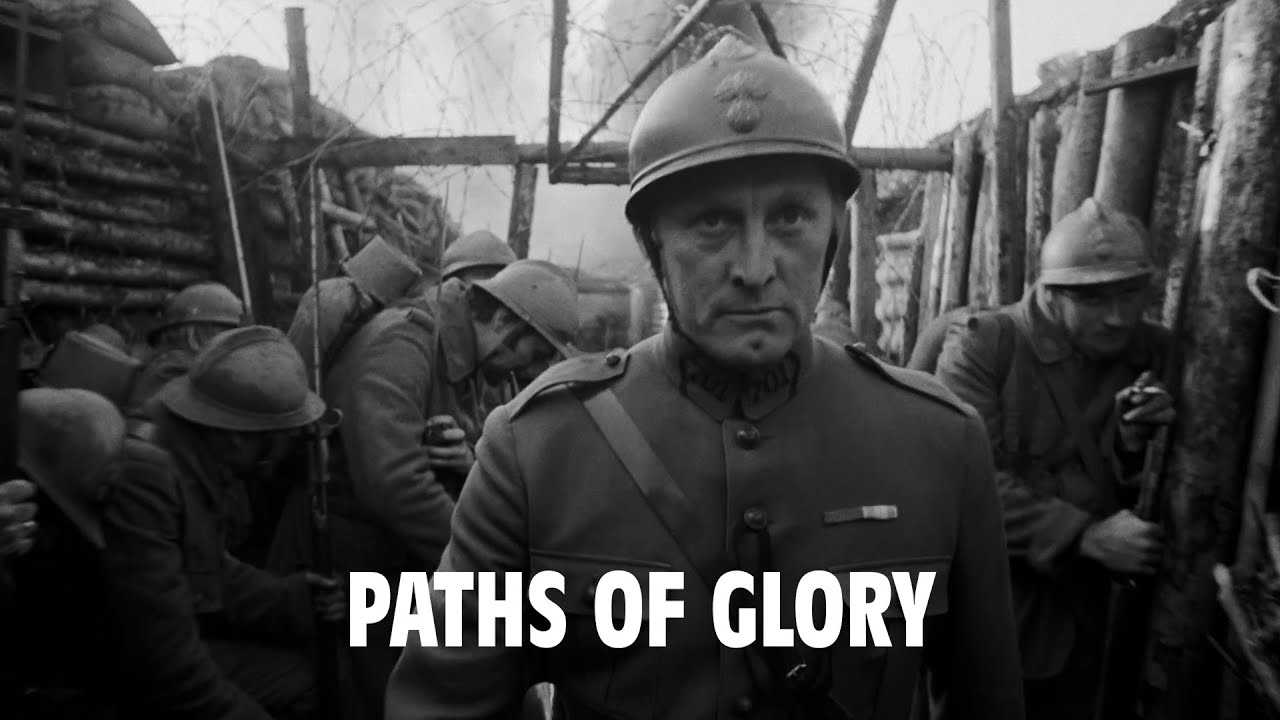
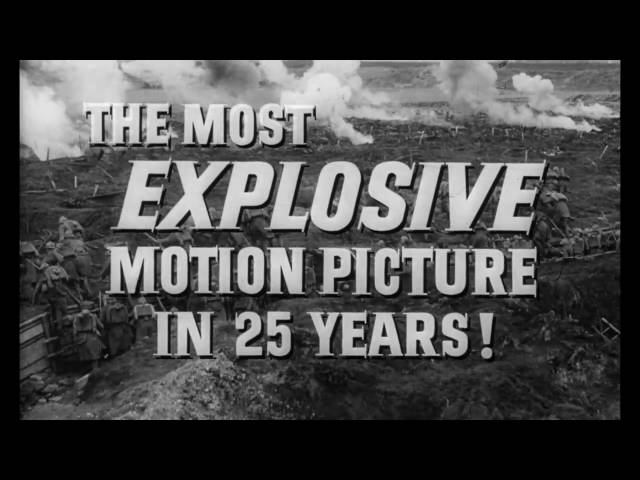


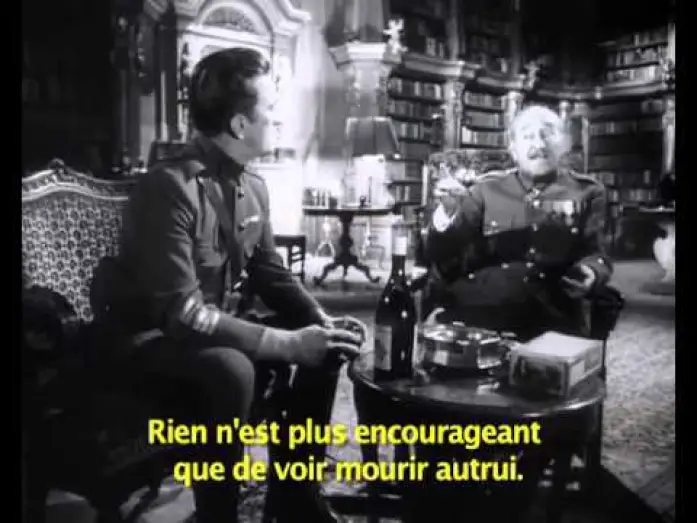
What's left behind the scenes
- The film is based on the novel of the same name by Humphrey Cobb.
- In 1992, the film was added to the National Film Registry as a historically significant film.
- The film was shot in the vicinity of Schleißheim Palace near Munich.
- Kubrick conceived the idea for the film during his collaboration with Metro-Goldwyn-Mayer in the mid-1950s, when he suggested to James B. Harris that they adapt a book he had found in his father's library as a teenager—Humphrey Cobb's 'Paths of Glory' (1935). The book was based on real events related to the execution of several soldiers from the regiment of General Jean Reynaud in Soissons, similar to the ancient Roman practice of decimation. Cobb was inspired to write the story by an article published in the New York Times in 1934, which reported that a French court had ordered the payment of compensation to the widows of two surviving soldiers, amounting to approximately seven cents each.
- Metro-Goldwyn-Mayer rejected Kubrick's project, after which the film script came to Kirk Douglas. He stated that he was ready to play the main role and would undertake to persuade United Artists to finance and distribute the film on the condition that Harris and Kubrick cede production of the film to Douglas's company, Bryna Productions, and that Kubrick would film five more films with Bryna Productions, starring Douglas in two of them.
- "Paths of Glory" did not align with the official position of the French and Belgian authorities, who sought to avoid publicizing the shameful pages of World War I. The film was withdrawn from release in these countries. West Germany joined the boycott to avoid damaging relations with the French, and Spain – due to the rejection of pacifist ideas by Franco's militaristic regime. These bans were not lifted until the late 1970s.
- In this film, Kubrick first employed one of his favorite techniques: seemingly endless camera movement, which reveals ever more details. It is in this manner that the camera meanders through the trenches for almost 10 minutes, for which the trenches had to be made one-third wider than reality to allow the film crew to move freely (180 cm instead of 120 cm).
- The film gained true recognition and relevance only with the start of the Vietnam War. Throughout the 1960s, it became known as perhaps the best anti-war film (an opinion shared by, among others, Steven Spielberg), and Kirk Douglas as early as the 1960s began to call the role of Colonel Dax the best in his acting career.
Did you like the film?
 Auditions in India
 Casting calls in USA
 Castingi w Polsce
 Кастинги в Україні
