Seven Samurai - actors, characters and roles
All actors and their roles in the film "Seven Samurai"
七人の侍 (1954)
Timing:
3:27 (207 min)

8.5/10
4229
4229

8.179/10
65076
65076

8.6/10
400000
400000
Actors and characters
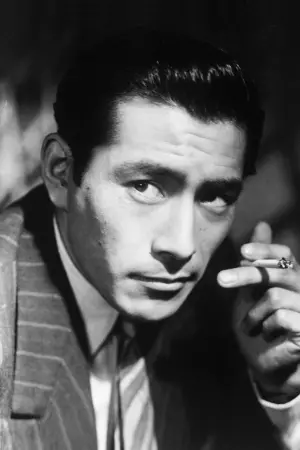
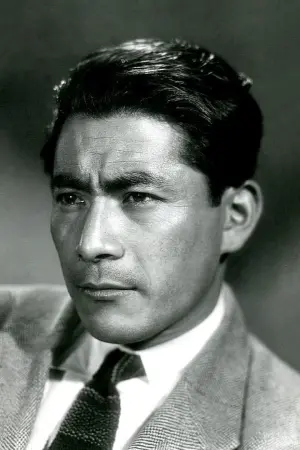
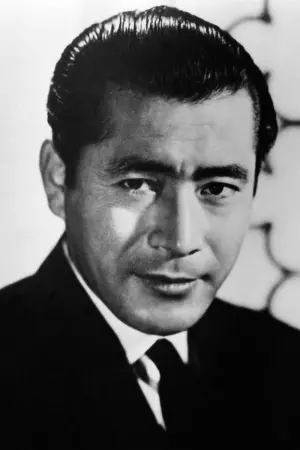
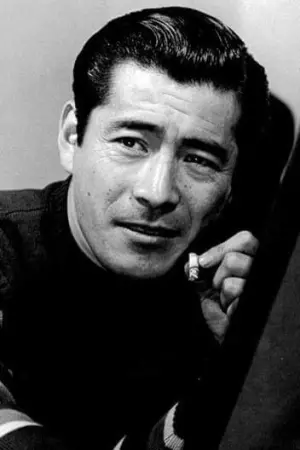
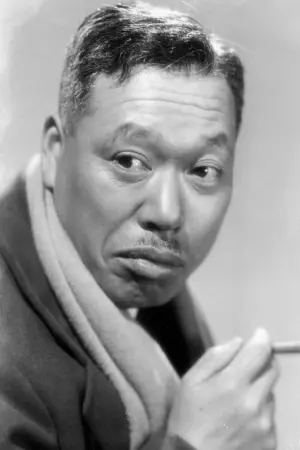
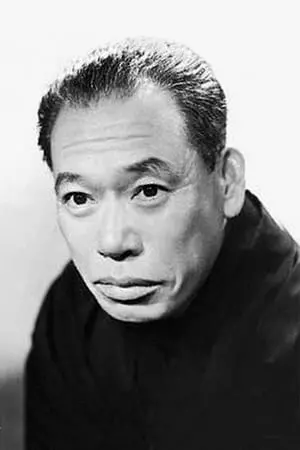

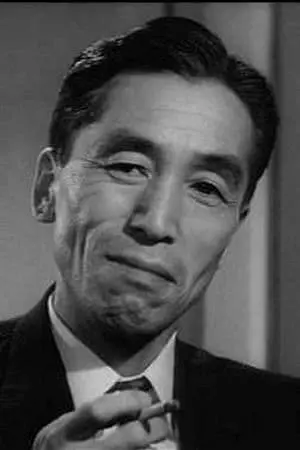
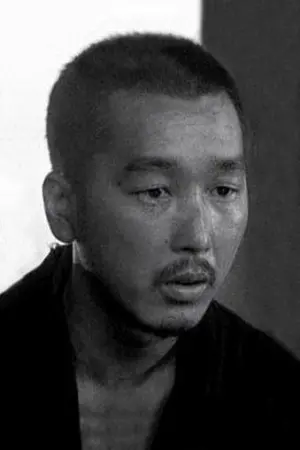
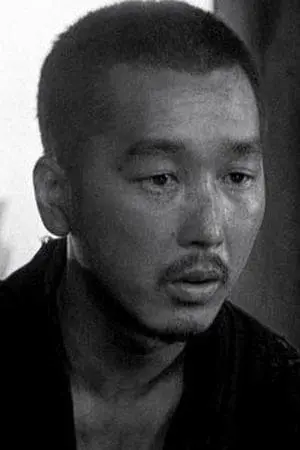
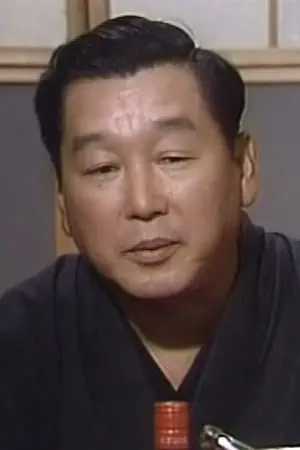
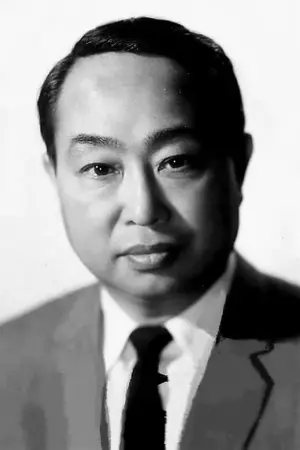
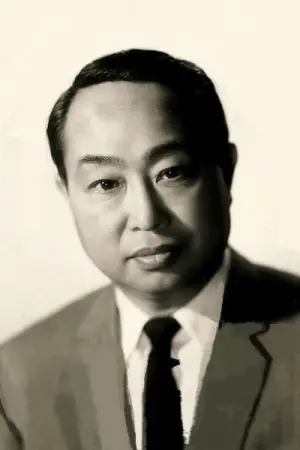
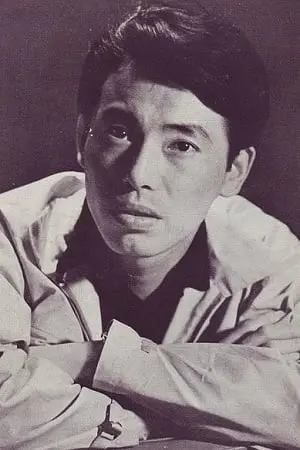


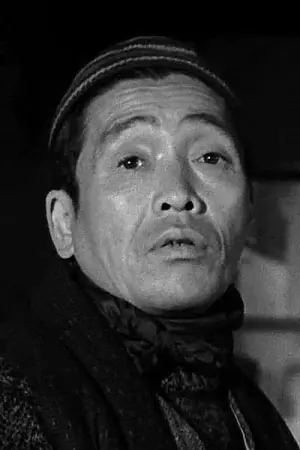
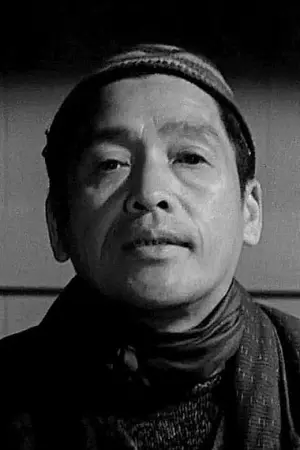
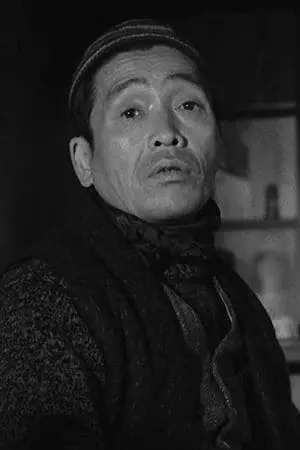
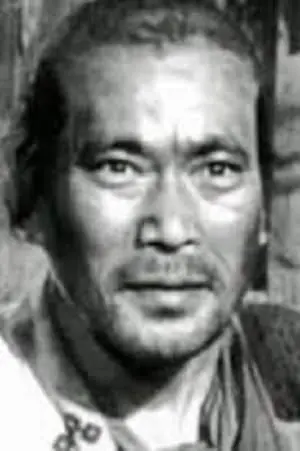
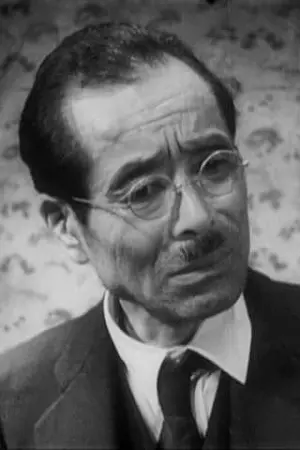
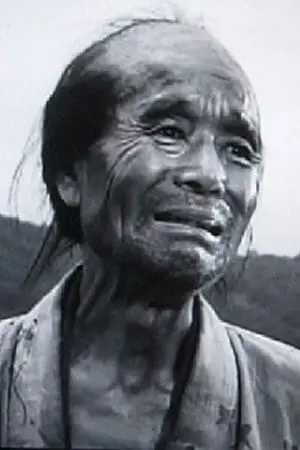
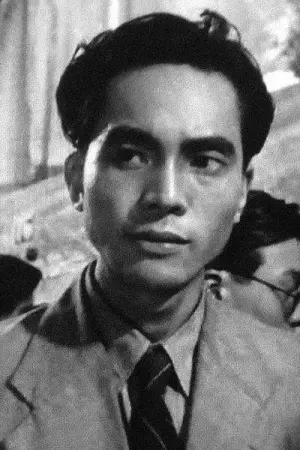
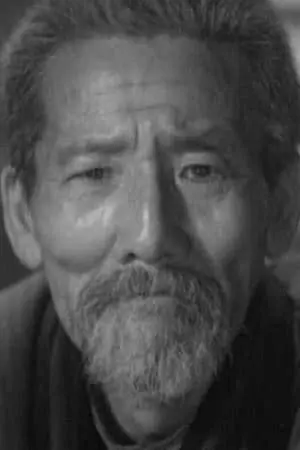
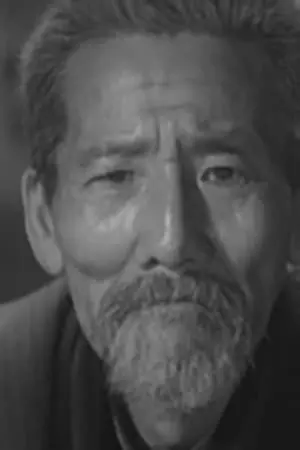
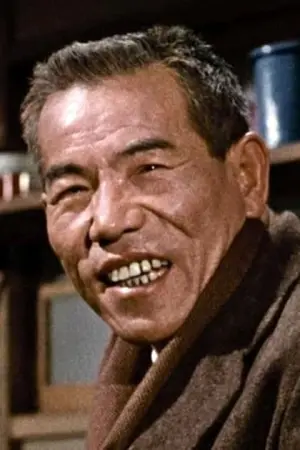
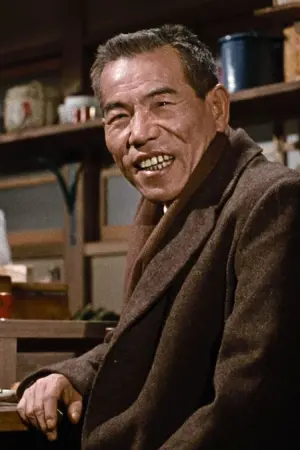
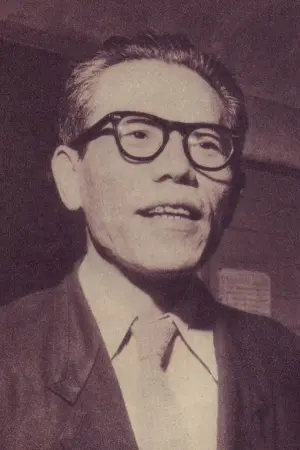
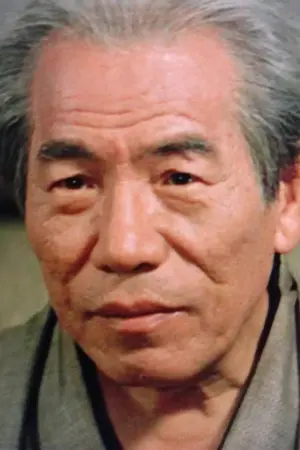

Jun Tatara
Character Coolie A
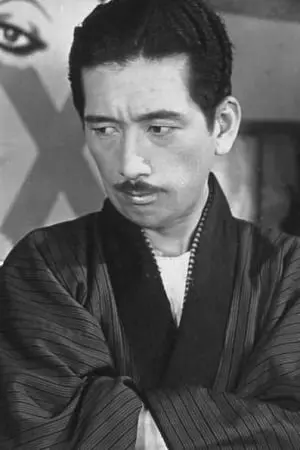
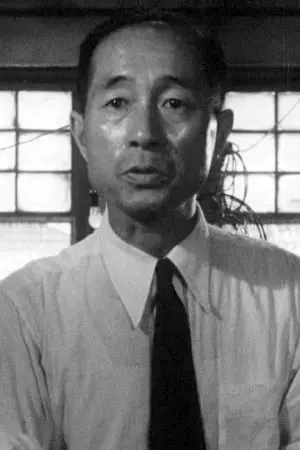
Toranosuke Ogawa
Character Grandfather of Kidnapped Girl
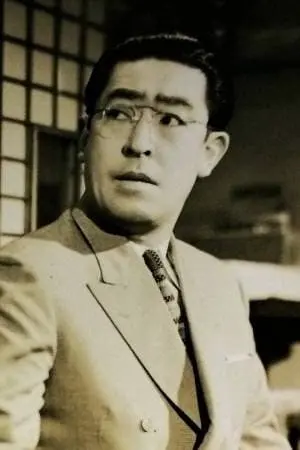
Isao Yamagata
Character Samurai
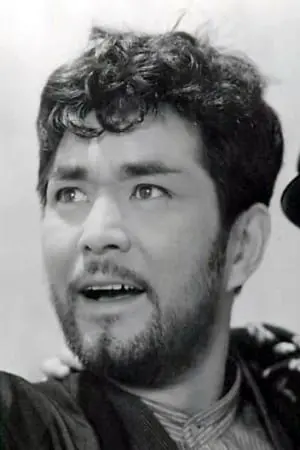
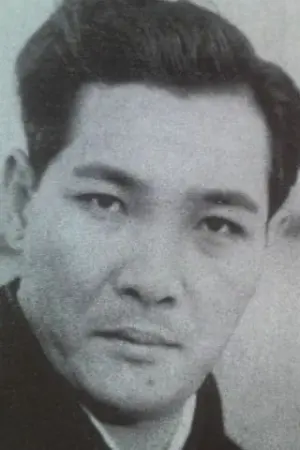

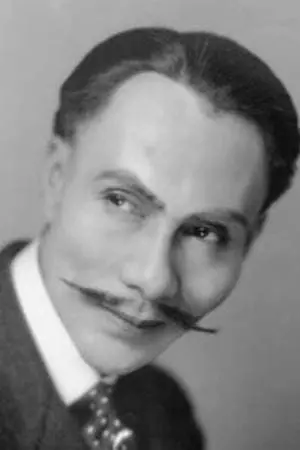
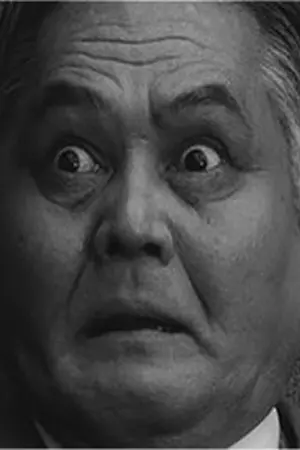
Gen Shimizu
Character Samurai Who Kicks Farmers

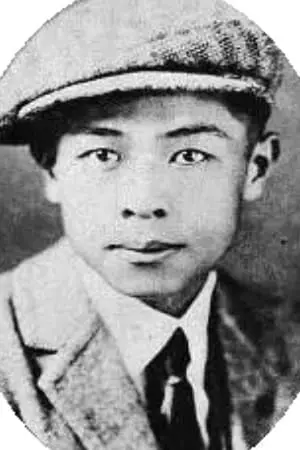
Shinpei Takagi
Character Bandit Chieftain
Shin Ōtomo
Character Bandit Second-in-Command
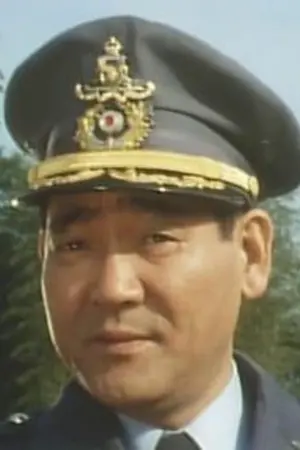
Toshio Takahara
Character Samurai with Gun
Hiroshi Sugi
Character Tea Shop Owner

Hiroshi Hayashi
Character Weak Ronin
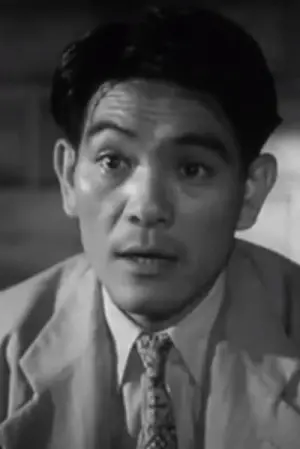
Sôkichi Maki
Character Strong-Looking Samurai
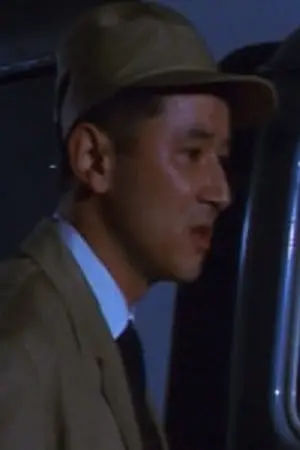
Ichirō Chiba
Character Buddhist Priest
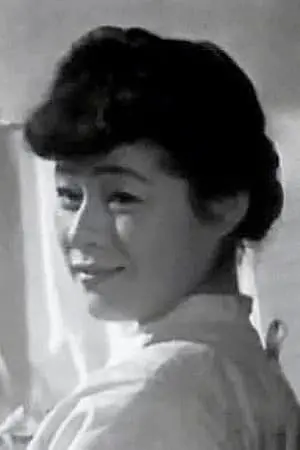
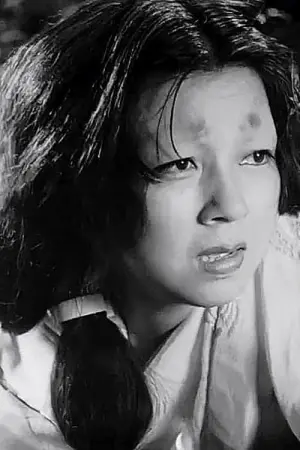
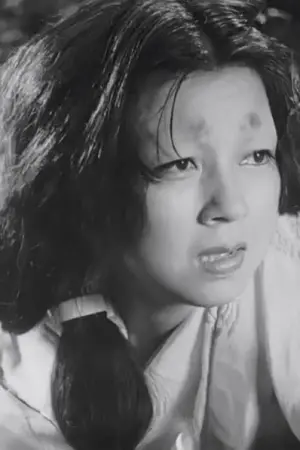
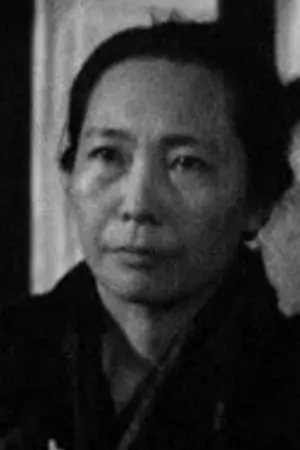
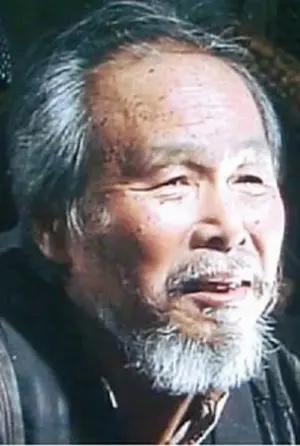
Masanobu Ôkubo
Character Samurai
Etsuo Saijo
Character Bandit
Minoru Itō
Character Samurai
Haruya Sakamoto
Character Samurai

Gorô Sakurai
Character Samurai
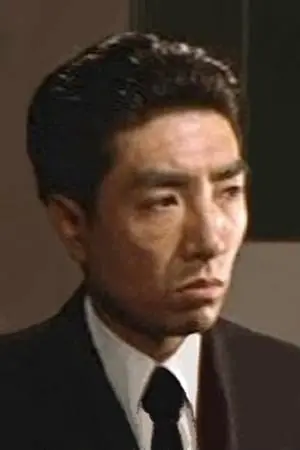
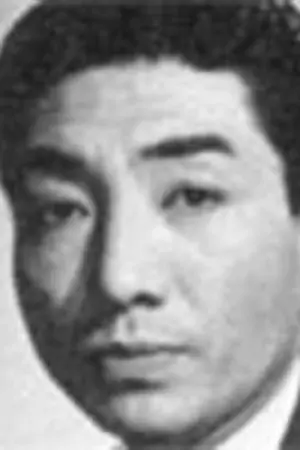
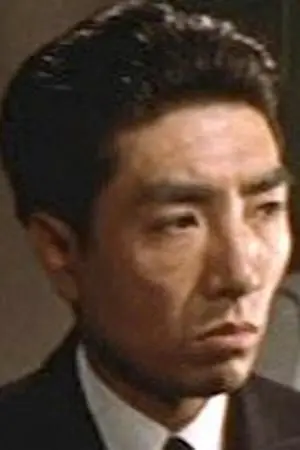
Hideo Shibuya
Character Bandit
Kiyoshi Kamoda
Character Samurai
Senkichi Ōmura
Character Bandit Who Escapes
Takashi Narita
Character Bandit Who Escapes
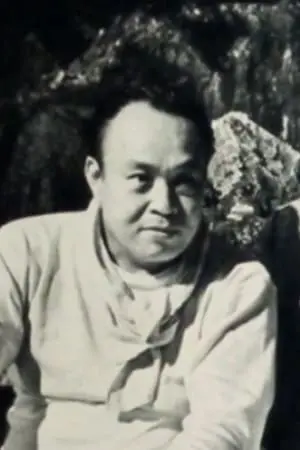
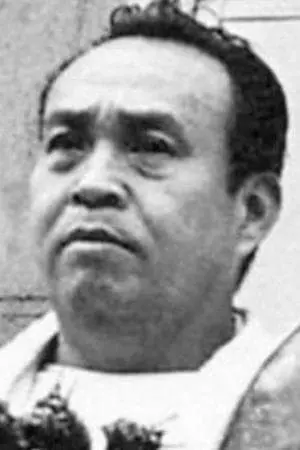
Kôji Uno
Character Bandit
Masaaki Tachibana
Character Bandit
Kamayuki Tsubono
Character Bandit
Taiji Naka
Character Bandit
Chindanji Miyagawa
Character Bandit
Shigemi Sunagawa
Character Bandit
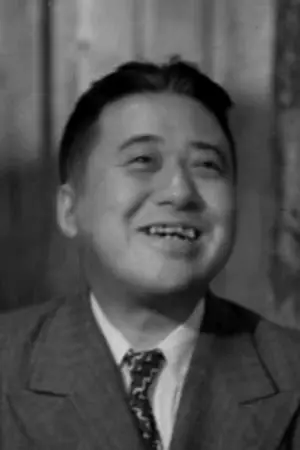
Akira Tani
Character Bandit
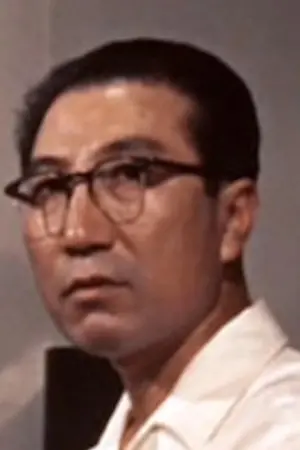
Akio Kusama
Character Bandit
Ryûtarô Amami
Character Bandit
Jun Mikami
Character Bandit
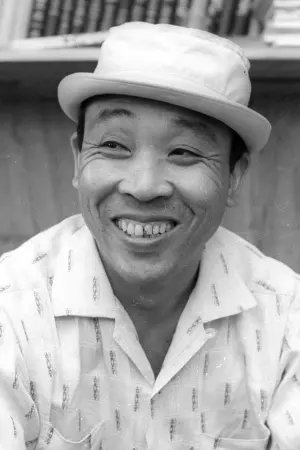
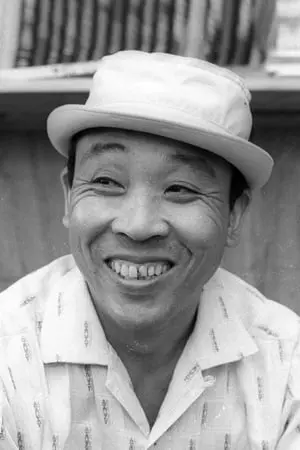
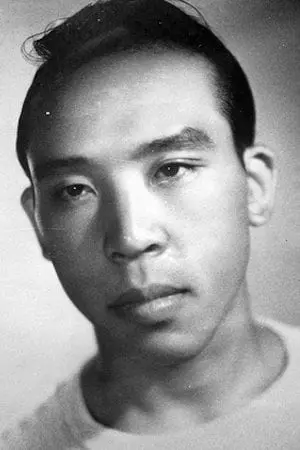
Sanpei Mine
Character Farmer
Masahide Matsushita
Character Samurai
Kaneo Ikeda
Character Samurai
Takuzô Kumagaya
Character Gisaku's Son
Ippei Kawagoe
Character Farmer
Jirô Suzukawa
Character Farmer
Junpei Natsuki
Character Farmer
Kyôichi Kamiyama
Character Farmer
Haruo Suzuki
Character Farmer
Gorô Amano
Character Farmer
Akira Kitchôji
Character Farmer
Kōji Iwamoto
Character Farmer
Hiroshi Akitsu
Character Husband of Gono Family
Akira Yamada
Character Farmer
Kazuo Imai
Character Farmer
Eisuke Nakanishi
Character Farmer
Toku Ihara
Character Farmer
Hideo Ôtsuka
Character Farmer
Shû Ôe
Character Farmer
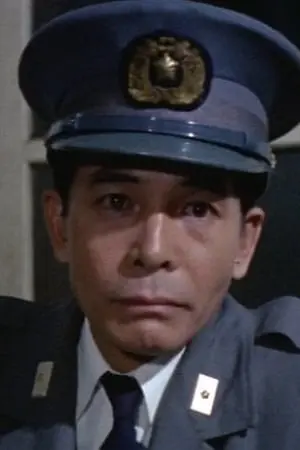
Yasuhisa Tsutsumi
Character Farmer in Front of Gono
Yasumasa Ônishi
Character Farmer
Tsuneo Katagiri
Character Farmer in Front of Gono
Megeru Shimoda
Character Farmer
Masayoshi Kawabe
Character Farmer

Shigeo Katô
Character Farmer
Yoshikazu Kawamata
Character Farmer
Takeshi Seki
Character Coolie #3
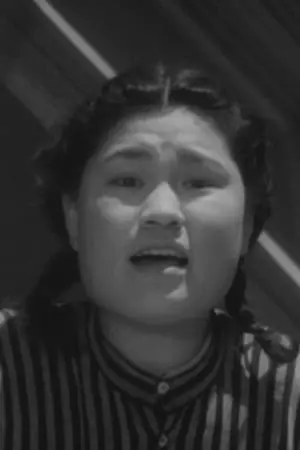
Haruko Toyama
Character Gisaku's Daughter-in-Law
Tsuruko Mano
Character Woman Farmer in front of Gono
Matsue Ono
Character Woman Farmer
Tsurue Ichimanji
Character Woman Farmer
Masako Ôshiro
Character Woman Farmer
Kyōko Ozawa
Character Woman Farmer
Michiko Kadono
Character Farmer's Wife
Toshiko Nakano
Character Farmer's Wife
Shizuko Azuma
Character Farmer's Wife
Michiko Kawabe
Character Farmer's Wife
Yûko Togawa
Character Farmer's Wife
Yayoko Kitano
Character Farmer's Wife
Kyoko Mori
Character Farmer's Wife
Misao Suyama
Character Woman Farmer
Toriko Takahara
Character Woman Farmer
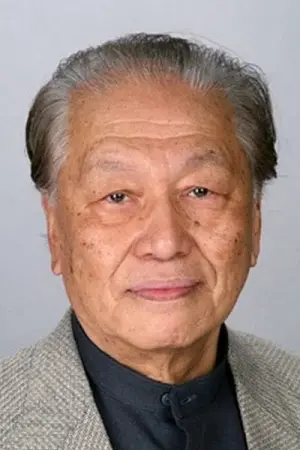
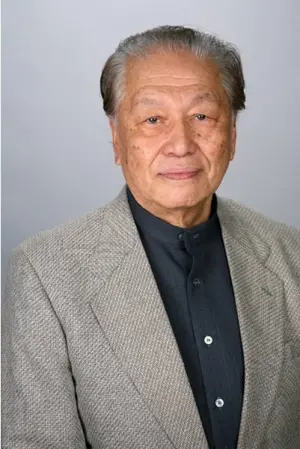
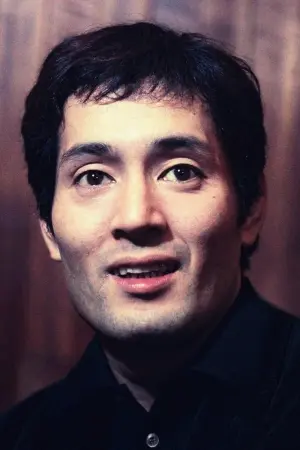
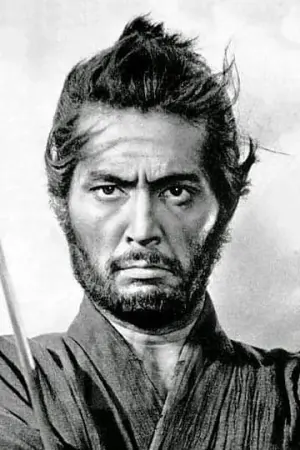
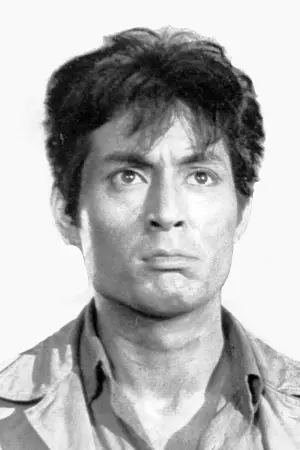
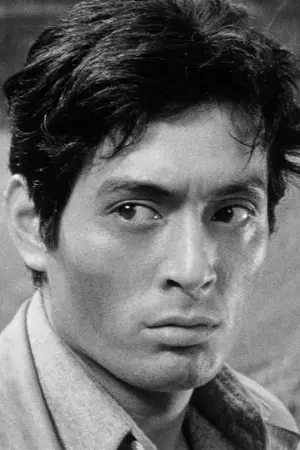

Ken Utsui
Character Samurai Wandering through Town (uncredited)


Ren Yamamoto
Character Farmer (uncredited)
Takuzō Kumagai
Character Gisaku's Son
What's left behind the scenes
- The film ranks first on Empire magazine's list of "The 100 Best Films of World Cinema," compiled in 2010.
- Actor Seiji Miyaguchi, who played the swordsman Kyuzo, had never actually practiced swordsmanship.
- Toho Studio attempted to halt filming several times, as it was widely believed the film would be a complete financial failure, and the director consistently exceeded his budget. Each time, Kurosawa had to persistently persuade the producers to resume funding.
- Filming of the final battle had to be stopped several times due to a shortage of horses.
- One scene in the film contains a detail that allows for the precise dating of the events. A stolen birth certificate of Kikuchiyo states that he was born in the second year of the Kinsei period, which corresponds to 1574, and Kambei concludes that Kikuchiyo is therefore only 13 years old. Considering the Japanese method of calculating age (a newborn child is considered one year old), the events of "Seven Samurai" unfold in 1586.
- The film came about largely because Akira Kurosawa very much wanted to try his hand at the jidaigeki genre (historical film about the adventures of samurai), which was popular in Japan, and to make it both profound in meaning and engaging in form. Initially, he intended to make a parable-like film about one day in the life of a samurai, tracing all of the hero’s actions up to the evening, when he was to commit ritual suicide. In the end, Kurosawa did not dare to tackle such material, believing he did not know the necessary nuances well enough. However, while working on this plot, he came across a case where a village belonging to one of the slain feudal lords hired several ronin to protect it from bandits (strictly speaking, ronin themselves), and decided to base the film on this story.
- It is believed that the film 'Seven Samurai' was the first to introduce the element of an adventure drama – the selection of a team consisting of people, each of whom is gifted in their own way. This plot device subsequently became frequently used.
- In 1981, the Gorky Film Studio released the film 'The Sixth,' in which, in the early years after the Civil War, young Soviet police in a provincial town clash with bandits.
- The role of Kikuchiyo was a favorite for actor Toshiro Mifune, who remembered every word spoken by his character throughout his life.
- All of the firearms in the film are historically accurate: they are antique Japanese muskets called tanegashima.
- In the film "28 Panfilovs," the characters retell the plot of "Seven Samurai" and "The Magnificent Seven" as a tall tale.
- In the film, Kurosawa first introduces a contrast between traditional samurai cold weapons and firearms, which are perceived as incompatible with warrior honor. In the film, only bandits have guns, and only Kikuchiyo, the "non-samurai," fires a gun, and only once. Later, in other films by Kurosawa, this motif was amplified and emphasized – for example, in "Yojimbo" (1961) – and culminated in "Kagemusha: The Shadow Warrior" (1980).
- The plot of "Seven Samurai" has been used in many films. Even the plot of Pixar's animated film "A Bug's Life" (1998) almost completely copies "Seven Samurai" in the first half of the film. Ants act as the peasants, and locusts as the bandits. One episode almost verbatim quotes an episode from "Seven Samurai," specifically the moment when the grieving peasants realize that even if their village buys off the bandits, its inhabitants still face starvation.
- Toho Studio repeatedly tried to halt filming, as it was generally believed the film was destined for complete financial failure, and the director was constantly exceeding his budget. Each time, Kurosawa had to persuade the producers to resume funding.
- The film came about largely because Akira Kurosawa really wanted to try his hand at the jidaigeki genre, making it both profound in meaning and captivating in form. He initially intended to make a parable film about one day in the life of a samurai, tracing all the hero's actions up to the evening when he was to commit ritual suicide. Ultimately, Kurosawa didn't dare tackle such material, believing he didn't know the nuances well enough. However, while working on this plot, he stumbled upon a case where a village, belonging to one of the slain feudal lords, hired several ronin to protect it from bandits.
- The role of Kikutyō became a favorite of actor Toshiro Mifune, who remembered every word spoken by his character throughout his life.
- The film ranks first on Empire magazine's list of "The 100 Best Films of World Cinema," compiled in 2010.
- One scene in the film contains a detail that allows for the precise dating of events. A stolen birth certificate of Kikuchiyo states that he was born in the second year of the Kinsei era, which corresponds to 1574, and Kambei concludes that Kikuchiyo is therefore only 13 years old. Considering the peculiarities of age calculation in Japan (a newborn child is considered one year old), the events of "Seven Samurai" unfold in 1586.
- It is believed that the film "Seven Samurai" was the first to introduce the element of an adventure drama – the selection of a team of people, each gifted in their own way. This plot device was subsequently frequently used.
- The film marks the first time in Kurosawa's work that a contrast arises between traditional samurai cold weapons and firearms, which are perceived as incompatible with warrior honor. Guns are present in the film only with the bandits, and only "half-samurai" Kikuchiyo fires a gun, and only once. Subsequently, in other films by Kurosawa, this motif was intensified and emphasized – for example, in "Yojimbo" (1961) – and reached its climax in "Kagemusha: The Shadow Warrior" (1980).
Did you like the film?
 Auditions in India
 Casting calls in USA
 Castingi w Polsce
 Кастинги в Україні
